
Kaitlin Knocke is a student at Harvard Law School and a member of the Labor and Employment Lab.
In today’s news and commentary, House Republicans push to increase NIL profits for student athletes while restricting their employment status, Wells Fargo gets its 401(k) forfeiture appeal tossed on standing, and Georgia allows gig worker benefit funds without forfeiting independent contractor status.
Next week, House Republicans anticipate a floor vote on H.R. 4312, the Student Compensation and Opportunity through Rights and Endorsements (SCORE) Act, which would codify rules for college players’ ability to profit off of their name, image, and likeness (NIL). The bill prevents the NCAA and schools from restricting student athletes from entering NIL deals, in exchange for limited antitrust liability protection for the NCAA and solidification of student athletes’ non-employee status. If passed, the bill would seemingly settle the question left open in the NLRB’s 2015 Northwestern University decision, where the Board declined to exercise jurisdiction without ruling on whether the players were employees. Six years later, then-NLRB General Counsel Jennifer Abruzzo issued a memo (rescinded in 2025) taking the position that players at academic institutions are employees under the NLRA, as reported previously by Benjamin and Fred. The bill would also require schools to provide medical care, mental health services, and academic support to athletes. House Republicans failed to bring the SCORE Act to a vote last December after several party members publicly opposed it.
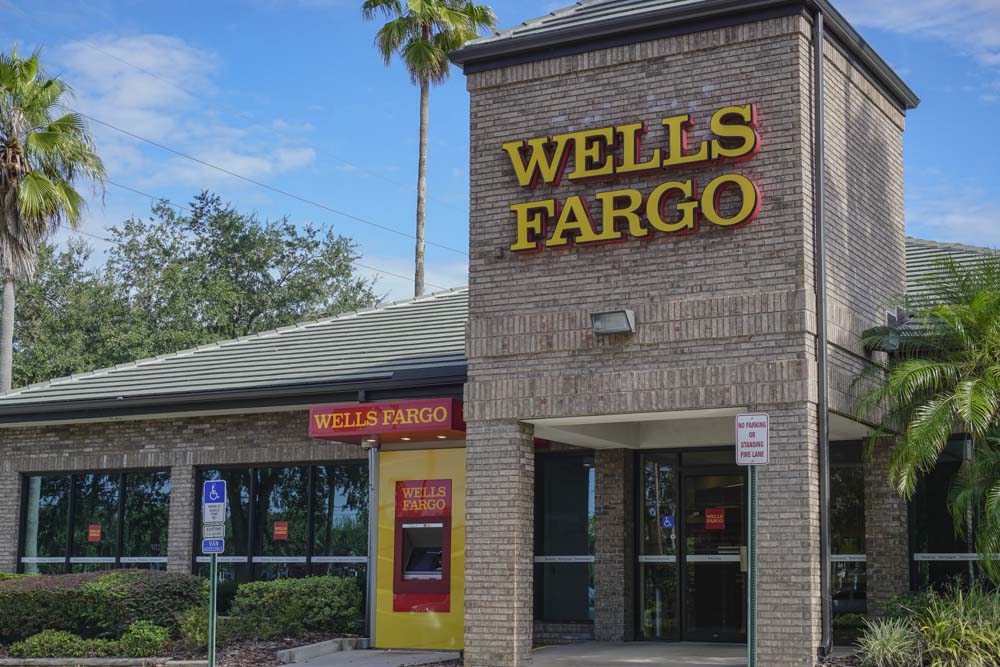
Yesterday, Wells Fargo & Co. won its appeal in the Eighth Circuit in a suit over its 401(k) forfeiture practices. Plaintiff Thomas Matula, Jr., a former Wells Fargo employee, had accused the company of wrongly using 401(k) forfeitures to fund plan contributions rather than to pay plan expenses or credit workers’ accounts, arguing that using forfeitures to defray a company’s own obligations amounted to self-dealing. The Eighth Circuit affirmed the district court’s dismissal, finding that because the plan did not authorize Wells Fargo to use forfeitures in Matula’s preferred ways, he had failed to allege any injury to his own account. The decision is the first by a federal appeals court on the growing number of lawsuits arguing that companies violate the Employee Retirement Income Security Act (ERISA) when they use forfeitures to fund required contributions instead of reducing workers’ administrative expenses. Rulings by other district courts have largely favored employers, and appeals are pending in multiple other circuits, with the Third and Ninth Circuits scheduled for oral arguments on the topic later this month.
On Monday, Georgia Governor Brian Kemp (R) signed HB 987 into law. The measure provides that gig companies, like Uber and DoorDash, can contribute to workers’ portable benefits accounts without jeopardizing drivers’ status as independent contractors under state law. Traditionally, providing benefits to workers has been treated as evidence that a worker should be classified as an employee under state and federal laws. Similar laws have passed in Idaho, Kansas, Wyoming, and West Virginia this year alone – the last of which Anjali reported on in March. Unlike some similar legislation, however, Georgia’s law does not explicitly create income tax deductions for employer contributions to these accounts.

Daily News & Commentary
Start your day with our roundup of the latest labor developments. See all
October 21
DOL withdraws tipped-worker rule; Instacart settles hiring-bias claims; Phillips 66 locks out New Jersey refinery workers.
October 20
Korean unions oppose labor exemption bill; Portland city workers prepare for strike; UPenn grad student union looks to dismiss university filing
October 19
FDA reverses course on policy prohibiting off-duty union activity; FAA and NATCA reach deal to secure pay increase for air traffic controllers.
October 18
Federal judge again halts cancellation of the Bureau of Prisons’ CBA; tabletop gaming workers face roadblocks in union recognition.
October 16
Department of Labor reduces wage-and-hour enforcement at unionized workplaces; Fain's victory poses question of federal monitor's extension.
October 15
New reporting examines the rollback of child labor protections; California tries to block a strike; NLRB charges Wisconsin mental health provider with firing workers during union drive.