Benjamin Sachs is the Kestnbaum Professor of Labor and Industry at Harvard Law School and a leading expert in the field of labor law and labor relations. He is also faculty director of the Center for Labor and a Just Economy. Professor Sachs teaches courses in labor law, employment law, and law and social change, and his writing focuses on union organizing and unions in American politics. Prior to joining the Harvard faculty in 2008, Professor Sachs was the Joseph Goldstein Fellow at Yale Law School. From 2002-2006, he served as Assistant General Counsel of the Service Employees International Union (SEIU) in Washington, D.C. Professor Sachs graduated from Yale Law School in 1998, and served as a judicial law clerk to the Honorable Stephen Reinhardt of the United States Court of Appeals for the Ninth Circuit. His writing has appeared in the Harvard Law Review, the Yale Law Journal, the Columbia Law Review, the New York Times and elsewhere. Professor Sachs received the Yale Law School teaching award in 2007 and in 2013 received the Sacks-Freund Award for Teaching Excellence at Harvard Law School. He can be reached at [email protected].
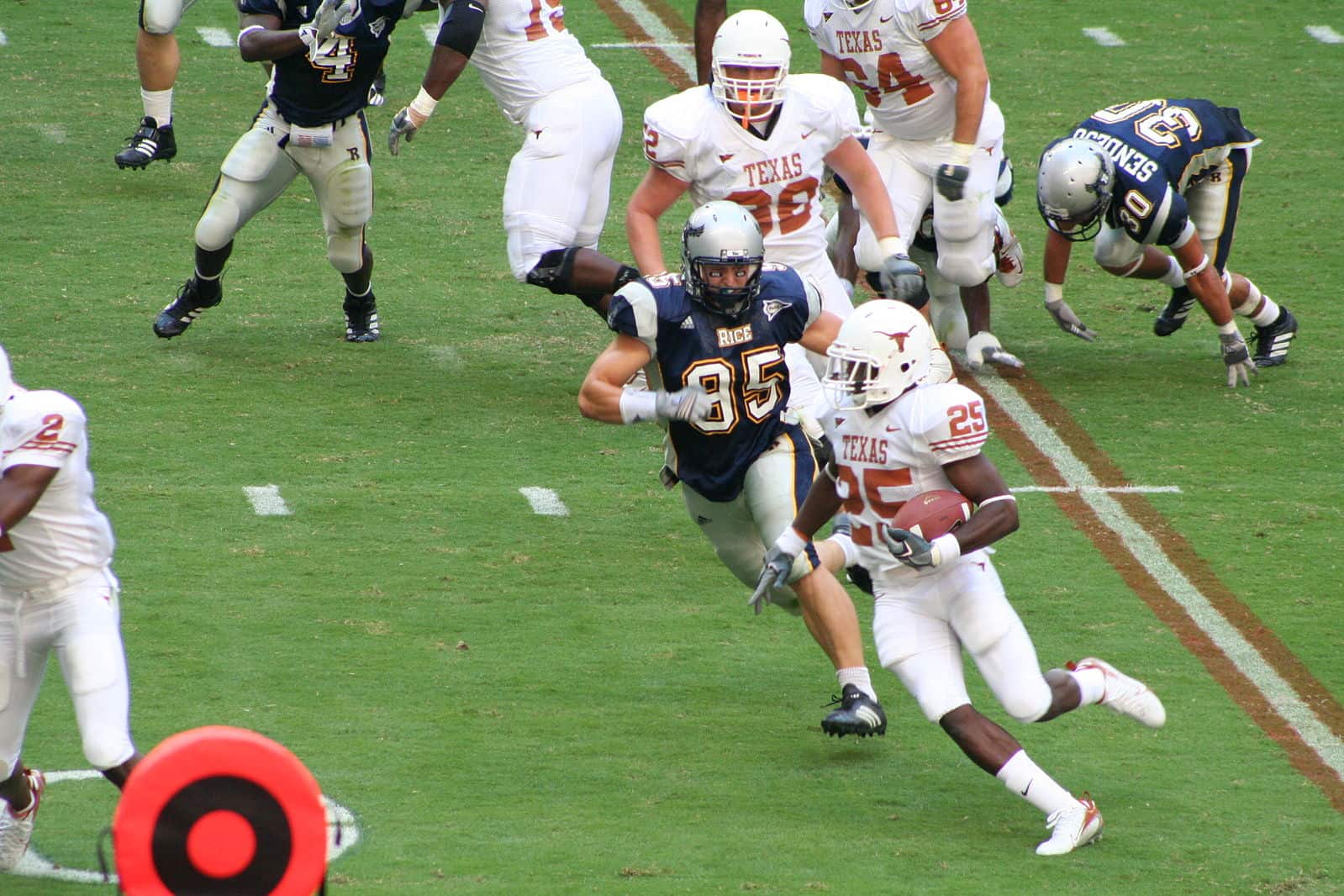
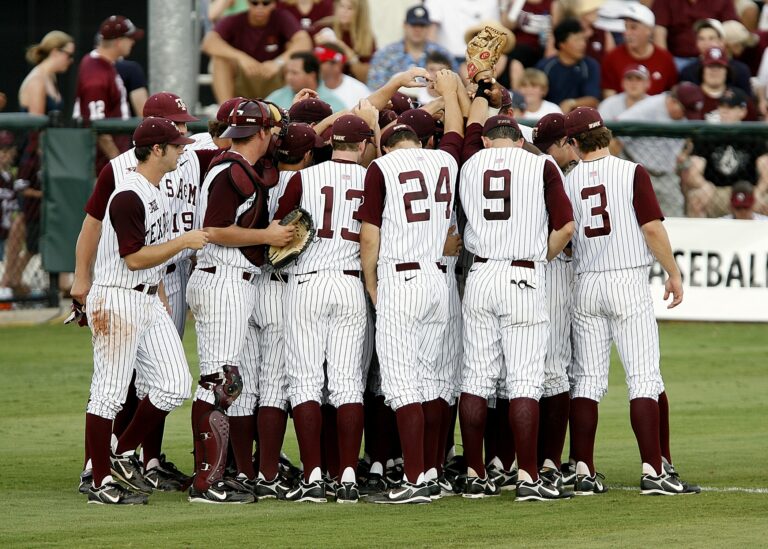
As Fred reported earlier this morning, Board GC Abruzzo has released a memo in which she states her position that “the scholarship football players at issue in Northwestern University, and similarly situated Players at Academic Institutions, are employees under the Act.” This is yet another huge development in U.S. labor law, and one with obviously important implications for unionization and collective action among college athletes.
Two other pieces of the memo bear specific mention. First, Abruzzo stresses the relevance of the fact that college football players have in recent years “been engaging in collective action at unprecedented levels.” She writes:
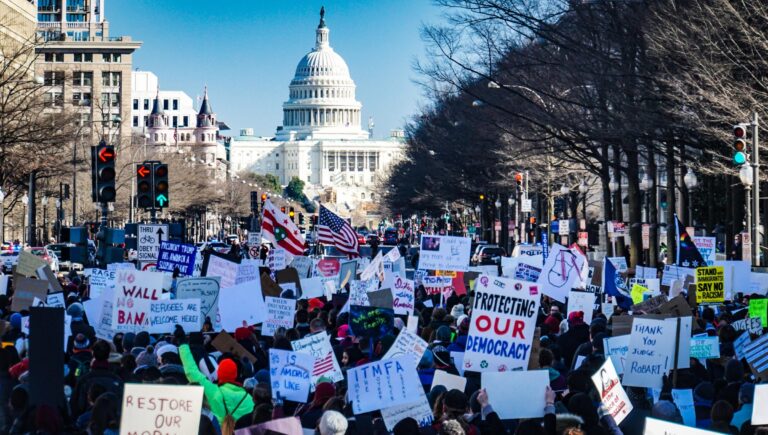
In 2020, activism among Players at Academic Institutions sky-rocketed along with the national attention to social justice issues following the murder of George Floyd and concerns regarding health and safety in the face of the Covid-19 pandemic. For example, Players at Academic Institutions across the country banded together to speak out about racism at their colleges and to demand change, and some threatened to withhold their services in response to their coach’s actions after George Floyd’s murder.
Abruzzo then unequivocally concludes that these forms of activism are protected by labor law. As she puts it, “[a]ctivism concerning such racial justice issues, including openly supporting the Black Lives Matter movement, directly concerns terms and conditions of employment, and is protected concerted activity.” In doing so, Abruzzo recognizes that the players’ fight for union rights is a fight for racial justice. And the legal rule she proposes advances the ability of workers to join that fight.
Second, in the memo’s final footnote, Abruzzo raises the prospect of pursuing a joint employer theory with respect to the NCAA or its member athletic conferences. Doing so would enable the Board to overcome what Northwestern considered a hurdle to NLRB jurisdiction in college sports: the fact that some schools in a conference are private institutions (and thus NLRA employers) while others are public institutions (and therefore not NLRA employers). Should the Board determine that, for example, the NCAA and the Big Ten jointly employ all the football players in the conference, it could, for example, create a conference-wide bargaining unit despite the fact that some member schools are public institutions. Putting together the rule that players are employees with this theory of joint employer status, the memo thus provides a legal roadmap around Northwestern and toward unionization of players at academic institutions.


Daily News & Commentary
Start your day with our roundup of the latest labor developments. See all
October 5
Delaware bans captive audience meetings; EEOC settles remote work national origin discrimination claim; First Circuit stays enforcement order in VA's dispute with AFGE.
October 4
Boston nurses announce open-ended strike; federal judge restores federal prison workers' union protections; St. Louis workers form the first movie theater union in Missouri.
October 2
Gov. Newsom signs bill regulating AI in workplace; federal judge blocks Trump's $100,000 H-1B visa fee.
October 1
Senate confirms Keith Sonderling as Labor Secretary; Amazon warehouse workers launch an unfair labor practice strike.
September 30
Harvard grad union wins in First Circuit; AI data trainers initiate misclassification suits; Trader Joe’s found liable under ERISA.
September 29
Unions, AI companies, and private equity firms form a new coalition to shape data center policies; unions express support for the Paramount-Warner Bros. merger.