
Ted Parker is a student at Harvard Law School and a member of the Labor and Employment Lab.
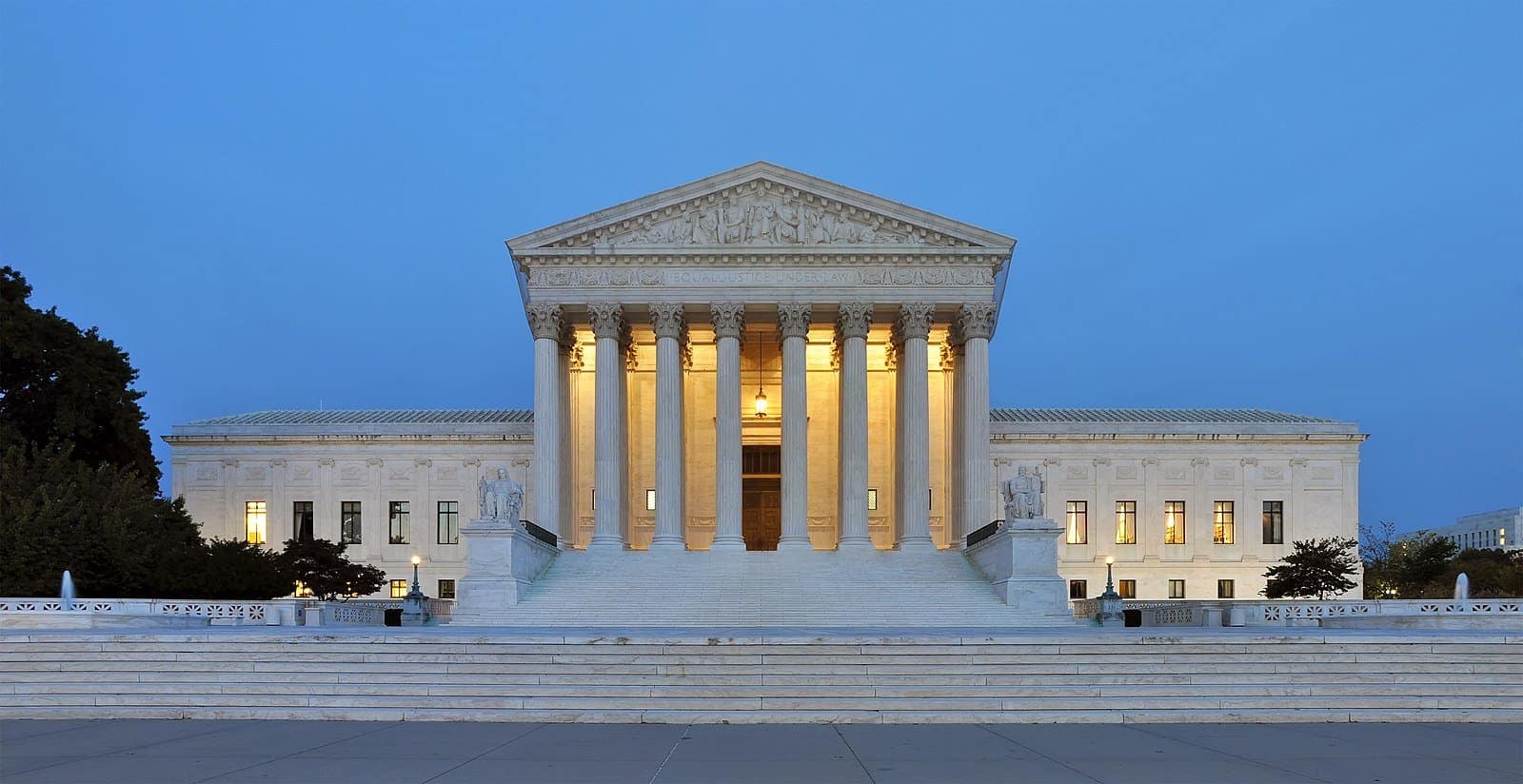
Yesterday, the Supreme Court granted the Trump administration’s application for a stay on a D.C. District Court’s order to reinstate Gwynne Wilcox to the National Labor Relations Board (NLRB). As John reported last month, Wilcox’s reinstatement order was previously stayed by the Supreme Court on April 9 “pending further order . . . of the Court.” Yesterday’s stay was that “further order.”
In a sense, nothing has changed. Wilcox’s reinstatement continues to be stayed, and her case continues to work its way through the D.C. Circuit (as I wrote about on Monday) headed eventually to the Supreme Court for a decision on the merits. What has changed is that the Supreme Court has now given us more clues about how it may rule once Wilcox’s case gets there. The April 9 stay was a bare order. Yesterday’s came with a two-page justification (with an eight-page dissent by the liberal justices).
It should be emphasized that the Court’s reasoning at this stage is provisional, enough to justify a stay but not final disposition of the case. Still, two of the Court’s interim judgments are highly suggestive.
First, the Court “judg[es] that the Government is likely to show that . . . the NLRB . . . exercise[s] considerable executive power,” making its removal protections presumptively unconstitutional. The Court acknowledges that there are “narrow” exceptions to this doctrine (referring to Humphrey’s Executor) but declines to “ultimately decide in this posture whether the NLRB . . . falls within such a recognized exception,” leaving that question (the one that matters most) “for resolution after full briefing and argument.”
Second, the Court “disagree[s]” with Wilcox’s assertion that this case “necessarily implicate[s]” the removal protections of the governors of the Federal Reserve Board. Judging that the Court would shrink from stripping away those removal protections, Wilcox hoped to tie her cause to the Fed’s, but as Andrew wrote yesterday, the Chamber of Commerce has offered a way of distinguishing the two institutions. The Supreme Court has now signaled its judgment that, at least in principle, the two could be distinguished (a carve-out that may reassure markets).
While both these judgments are concerning, each is qualified: the Court refrained from opining on whether the NLRB removal protections fit within the Humphrey’s Executor exception and on whether the Fed’s removal protections should be distinguished from the NLRB’s. In other words, nothing here is decisive. As before, we will have to wait for Wilcox’s case to make its way through the D.C. Circuit before it can be finally resolved by the Supreme Court.






Daily News & Commentary
Start your day with our roundup of the latest labor developments. See all
October 21
DOL withdraws tipped-worker rule; Instacart settles hiring-bias claims; Phillips 66 locks out New Jersey refinery workers.
October 20
Korean unions oppose labor exemption bill; Portland city workers prepare for strike; UPenn grad student union looks to dismiss university filing
October 19
FDA reverses course on policy prohibiting off-duty union activity; FAA and NATCA reach deal to secure pay increase for air traffic controllers.
October 18
Federal judge again halts cancellation of the Bureau of Prisons’ CBA; tabletop gaming workers face roadblocks in union recognition.
October 16
Department of Labor reduces wage-and-hour enforcement at unionized workplaces; Fain's victory poses question of federal monitor's extension.
October 15
New reporting examines the rollback of child labor protections; California tries to block a strike; NLRB charges Wisconsin mental health provider with firing workers during union drive.