
Melinda Meng is a student at Harvard Law School.
In today’s News and Commentary, the California Department of Justice finds conditions at ICE facilities inhumane, the US Court of Appeals for the Second Circuit affirms decision rejecting race bias claim from Black and Hispanic social workers, and the FAA cuts its air traffic controller staffing target in new efficiency plan.
On Friday, state Attorney General Rob Bonta announced at a news conference that conditions at immigration detention centers in California are alarming and inhumane, with detainees lacking access to proper food, clean drinking water, adequate toilets and sanitation, and urgent medical care. State officials documented conditions at the seven immigration facilities located in California, all of which are run by private operators that contract with Immigration and Customs Enforcement. While finalizing the report, the California Department of Justice learned that an eighth facility had started receiving ICE detainees in April 2026. The Department of Homeland Security disputed the California Department of Justice’s report, claiming that detainees receive food certified by dieticians and prompt medical care. Six people died in ICE detention facilities between September 2025 and March 2026.
On Friday, the US Court of Appeals for the Second Circuit affirmed a lower court’s decision rejecting a claim from Black and Hispanic workers that the Association of Social Work Boards’ social worker licensing test exhibits racial bias in violation of civil rights law. ASWB data shows that 84% of white test takers passed its examination on the first try, whereas 65% of Hispanics and 45% of Blacks passed on the first try. The Second Circuit rejected the plaintiffs’ Title VII claims due to a lack of employer-employee relationship between ASWB and social workers, found that insufficient facts were pled to give rise to a plausible inference of intentional discrimination under 42 U.S.C. § 1981, and declined to exercise supplemental jurisdiction over the state human rights claim, although the court clarified that the state claim was dismissed without prejudice.
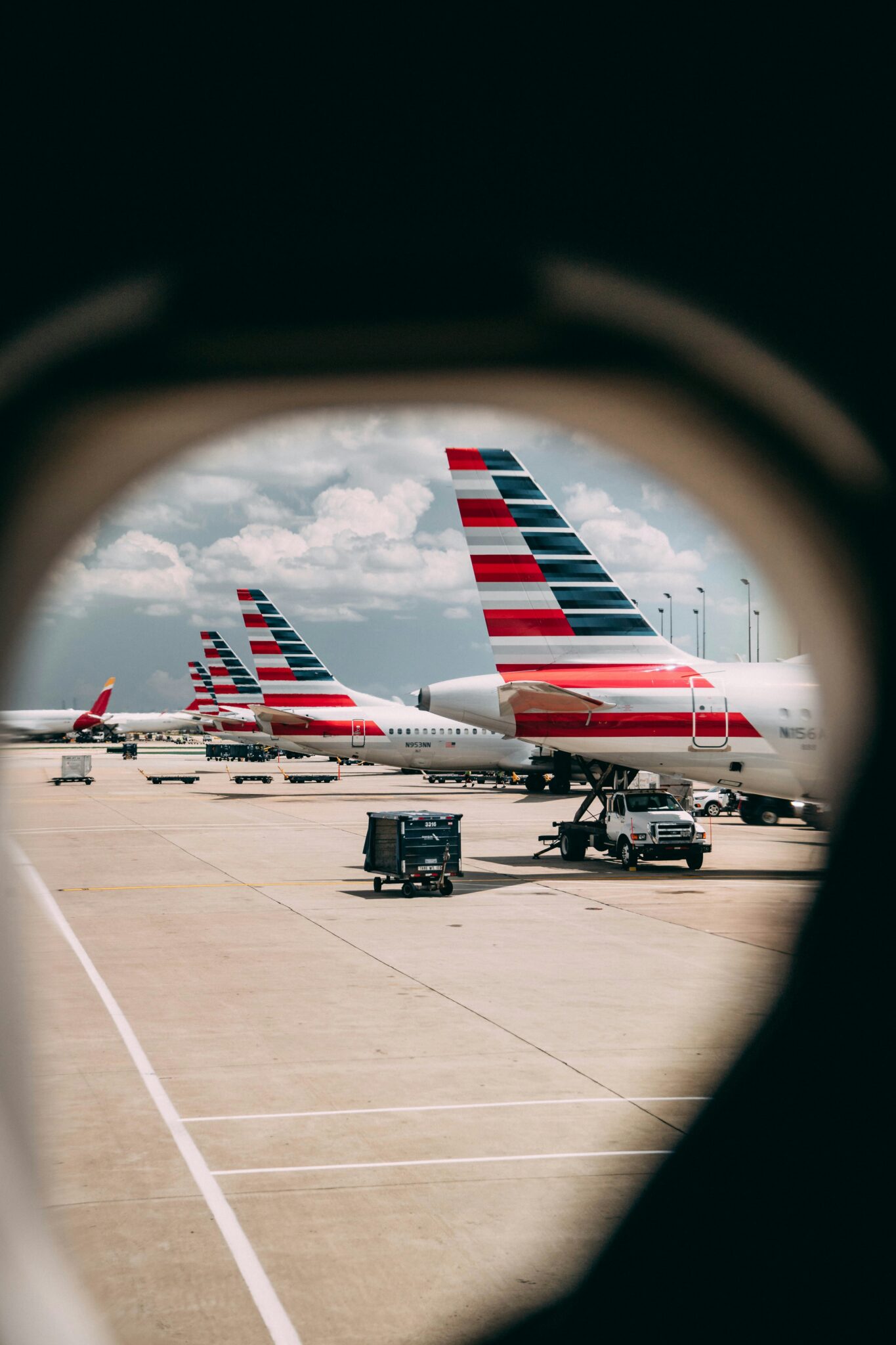
Also on Friday, the US Federal Aviation Administration released its air traffic controller workforce plan for 2026–2028. The agency cut its air traffic controller staffing target by about 2,000 people, stating that efficiency can be improved through modern staffing models and scheduling tools. As of April 2026, there were approximately 11,000 air traffic controllers deployed across over 300 FAA facilities, significantly below the previous full staffing target of 14,633 and still below the new target of 12,563. The FAA’s air traffic controller shortage is longstanding, having been exacerbated by Covid-19 and recent government shutdowns. The Trump administration has launched a campaign to recruit video gamers and expand existing Air Traffic Collegiate Training Initiative programs. The FAA states that its performance optimization plan involves working with the National Air Traffic Controllers Association to identify and resolve bottlenecks, but the NATCA says it was not involved in developing the new workforce plan.





Daily News & Commentary
Start your day with our roundup of the latest labor developments. See all
October 13
Chicago hotel workers remain on strike; a coalition of Democratic states sues the Labor Department over canceled unemployment insurance grants; the Federal Labor Relations Authority establishes a new mediation framework for federal worker disputes.
October 12
Workers at the Obama Foundation begin organizing; MLB submits its latest collective bargaining agreement proposal; Brigham & Women's nurses postpone strike.
October 11
UAW President Shawn Fain succeeds in his reelection bid, and Spanish unions call for a general strike.
October 9
DHS proposes a $100k fee for the foreign grad employment program; Trump suspends tech company access to green card program; and private equity perpetuates poor working conditions for home care workers.
October 8
NLRB judge finds UPS unlawfully restricted union insignia; Harvard graduate workers authorize second strike; OSHA orders Union Pacific to pay $300,000 in damages in whistleblower case.
October 7
DOL scraps plan to remove decades-old wage-and-hour guidance from federal regulations; New York enacts personnel records access law; Starbucks loses bid to dismiss Workers United trademark suit.