
James Blanchfield is a student at Harvard Law School.
In today’s News and Commentary, an Illinois bill paves the way for rideshare drivers to unionize, the Department of Labor issues a new rule aimed at financial transparency, and unions push back against state AI data center regulations.
On Monday, the Illinois General Assembly passed House Bill 5090, which regulates how rideshare drivers can form unions, elect union representatives, and engage in collective bargaining. The bill passed the House by a vote of 83-28 after passing the Senate the previous day. This comes as a huge victory for rideshare drivers, who for the past five months have lobbied at the Illinois state Capitol almost weekly in an effort to get the bill passed. As independent contractors, rideshare drivers are unable to unionize under federal labor law, making state labor law their only option. State Senator Ram Villivalam, the bill’s sponsor, said that the bill “goes back to a fundamental belief” that the ability to unionize leads to “better wages, benefits, and working conditions.” Illinois’s bill comes on the heels of Massachusetts rideshare drivers becoming the first in the nation to unionize, as Anthony reported here. As more states pass similar laws, unionization for rideshare drivers may become more common.
The Department of Labor recently announced a final rule designed to increase financial transparency for unions regulated by the Labor Management Reporting and Disclosure Act (LMRDA). The rule creates new requirements for financial disclosures, particularly for the country’s largest labor unions. Labor unions with more than $40 million in annual receipts will need to file a new report with the DOL. Originally proposed during the first Trump administration, the rule went through the notice and comment period in 2020 but was never finalized. The DOL stated that the rule is meant to help inform union members about where their union dues are being spent. It goes into effect on July 1.
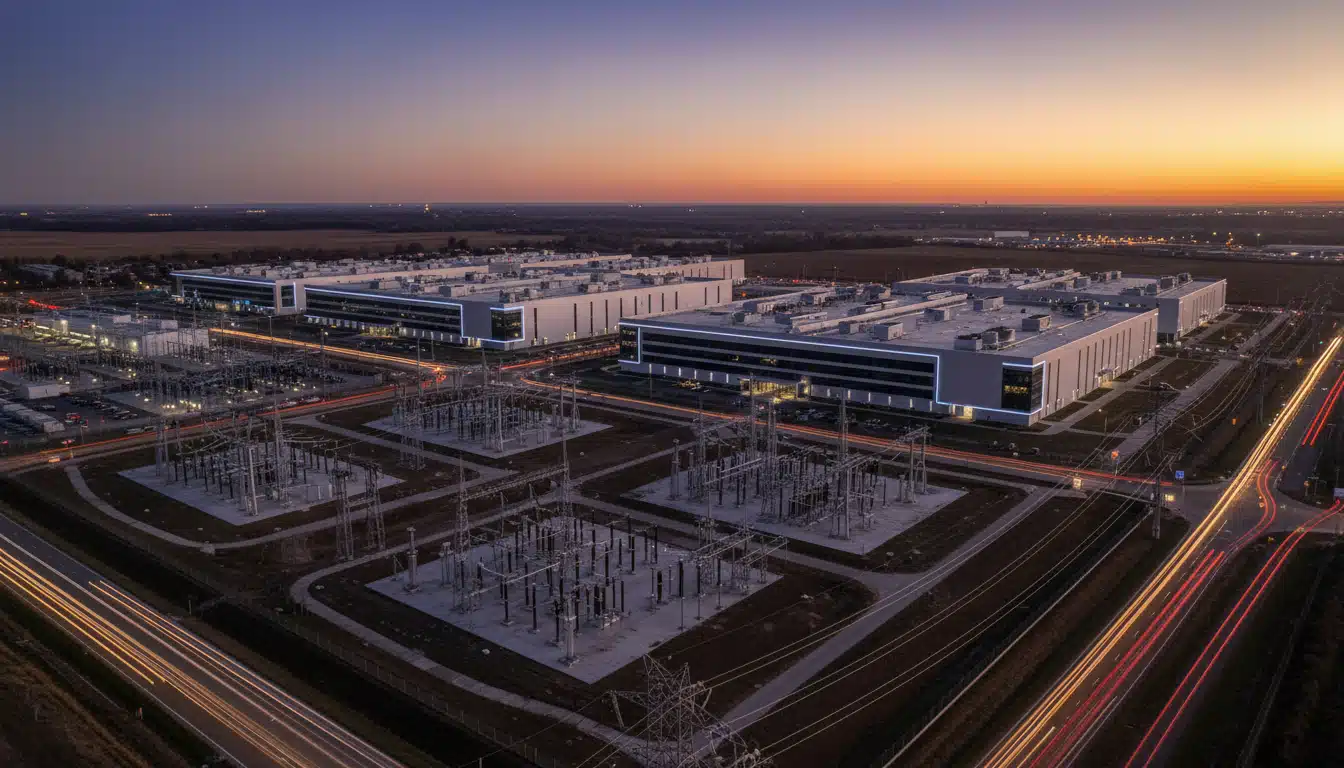
Unions are emerging as a key political force in state-level data center regulation debates, as many unions are siding with the tech industry against proposed restrictions. From California to Illinois, union groups have helped defeat or stall bills that would have imposed clean energy requirements, cost restrictions, or outright construction bans on new facilities. Some union leaders view data centers as a major source of well-compensated construction work, arguing that the centers are providing the best opportunity for union laborers since the mid-1990s. The tech industry has cultivated alliances through apprenticeship programs and labor agreements, including partnerships between OpenAI, Microsoft, and major building trades unions. In response, some Democratic governors and legislators, such as Pennsylvania’s Josh Shapiro and Sen. Chris Van Hollen, are trying to strike a balance by pairing data center regulations with prevailing wage requirements and workforce training mandates. Data center construction now accounts for nearly 30% of all U.S. construction value, making it a difficult target for regulation when unions are at the table.


Daily News & Commentary
Start your day with our roundup of the latest labor developments. See all
October 27
Some California union locals defy their statewide leadership to back the state’s billionaire tax proposal; a Brown University technology center releases a map of the hidden global workforce behind AI; the National Women's Soccer League and its players union settle six grievances.
October 26
Harvard dining workers authorize strike; New York City bans horse carriages; Brooklyn nurses rally in support of colleague.
October 25
Dallas Cowboys Cheerleaders unionize; Bureau of Prisons again pushes for union contract cancellation; CSU faculty votes on strike authorization.
October 23
Employers increasingly shift health care costs onto workers and NYC proposes placing restrictions on fully automated customer service.
October 22
SCOTUS declines Wilcox appeal; Penn State research assistants win bargaining rights; SEIU sued over military leave firing.
October 21
DOL withdraws tipped-worker rule; Instacart settles hiring-bias claims; Phillips 66 locks out New Jersey refinery workers.