
Sophia is a student at Harvard Law School and a member of the Labor and Employment Lab.
In today’s news and commentary, U.S. representatives introduce legislation to end mandatory arbitration in employment contracts; a new report by the NYC DCWP reveals greater earnings for delivery workers after enforcing new local tip laws, and women’s college basketball players move to unionize.
Yesterday, U.S. Representatives Nadler (D-NY-12), Scott (D-VA-03), and Murray (D-WA) introduced a bill that would override the Supreme Court’s 2018 decision, Epic Systems v. Lewis, which permitted employers to impose mandatory arbitration clauses on workers. The proposed legislation, “Restoring Justice for Workers Act of 2026,” would forbid the use of forced arbitration clauses in employment contracts and prohibit employers from requiring employees to waive their right to participate in joint, class, or collective legal action. Currently, over 50 percent of all non-union private sector employers impose mandatory arbitration on their workers, resulting in 60 million U.S. workers without access to courts to vindicate their rights in the workplace. If enacted, the bill could help revamp enforcement of workers’ rights such as overtime, minimum wage, and anti-discrimination protections.
In January 2026, the NYC Department of Consumer and Worker Protection (DCWP) began enforcing laws mandating that restaurant delivery apps such as Uber Eats, DoorDash, and Grubhub offer NYC consumers a choice to tip their delivery worker before or during checkout, including a 10% tip option selectable in the user interface. A new report released by the DCWP has found that the new laws have raised the total earnings for the 70,000 app-based restaurant delivery workers in the city by $104 million, which is an average annual increase of $2,287 per worker.
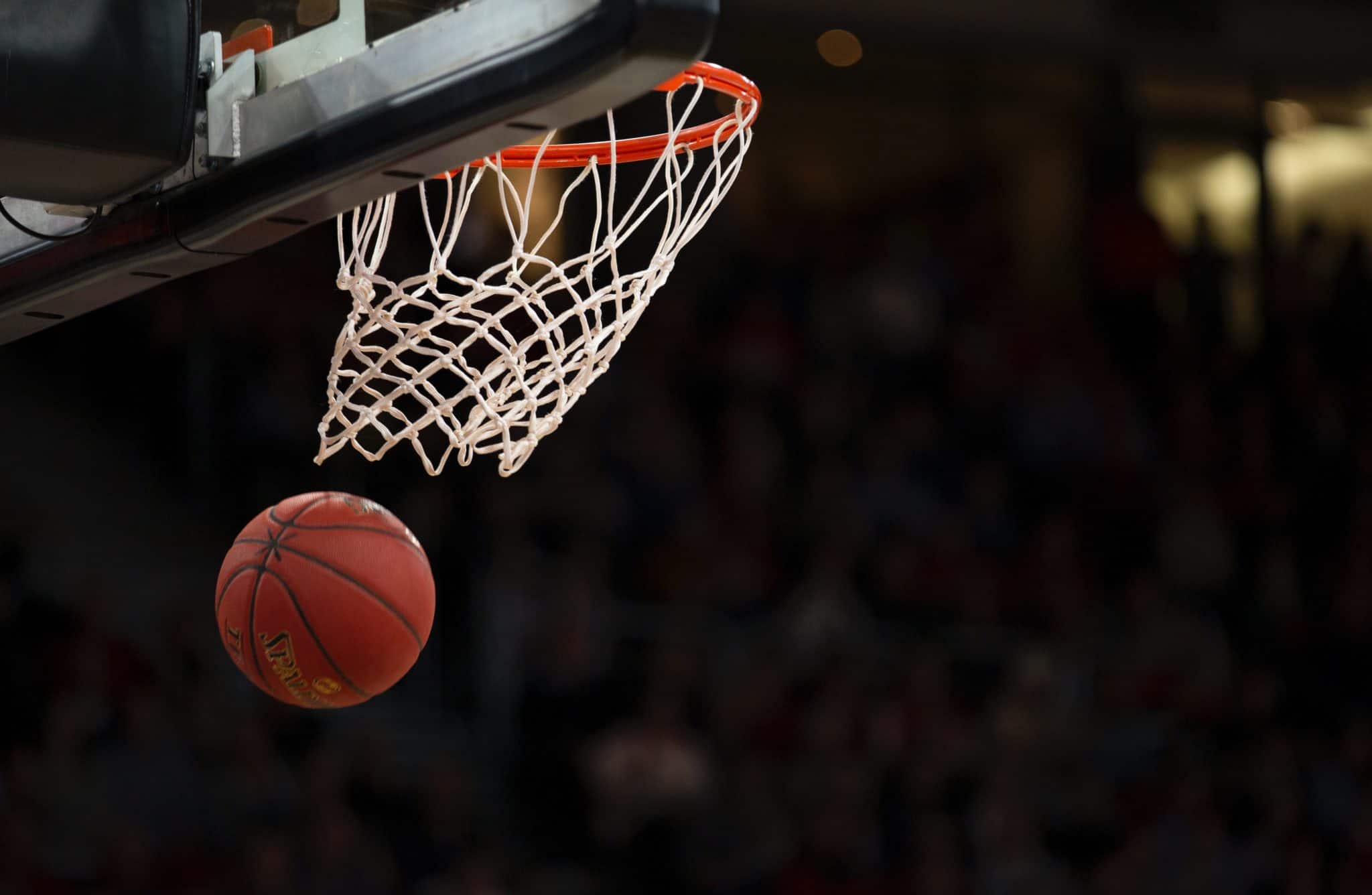
Lastly, over 100 women’s college basketball players have signed union authorization cards with the United College Athletes Association (UCAA), marking the first unionization effort in U.S. women’s college sports. Additionally, members of the Oregon State women’s basketball team filed a petition for union representation with the Oregon Employment Relations Board, officially seeking collective bargaining rights under state law. The UCAA is a nonprofit founded in 2021 that aims to represent NCAA Division I college athletes in collective bargaining.




Daily News & Commentary
Start your day with our roundup of the latest labor developments. See all
October 22
SCOTUS declines Wilcox appeal; Penn State research assistants win bargaining rights; SEIU sued over military leave firing.
October 21
DOL withdraws tipped-worker rule; Instacart settles hiring-bias claims; Phillips 66 locks out New Jersey refinery workers.
October 20
Korean unions oppose labor exemption bill; Portland city workers prepare for strike; UPenn grad student union looks to dismiss university filing
October 19
FDA reverses course on policy prohibiting off-duty union activity; FAA and NATCA reach deal to secure pay increase for air traffic controllers.
October 18
Federal judge again halts cancellation of the Bureau of Prisons’ CBA; tabletop gaming workers face roadblocks in union recognition.
October 16
Department of Labor reduces wage-and-hour enforcement at unionized workplaces; Fain's victory poses question of federal monitor's extension.