
Anthony Chen is a student at Harvard Law School.
In today’s news and commentary, unions, AI companies, and private equity firms form a new coalition to shape data center policies and unions express support for the Paramount-Warner Bros. merger.
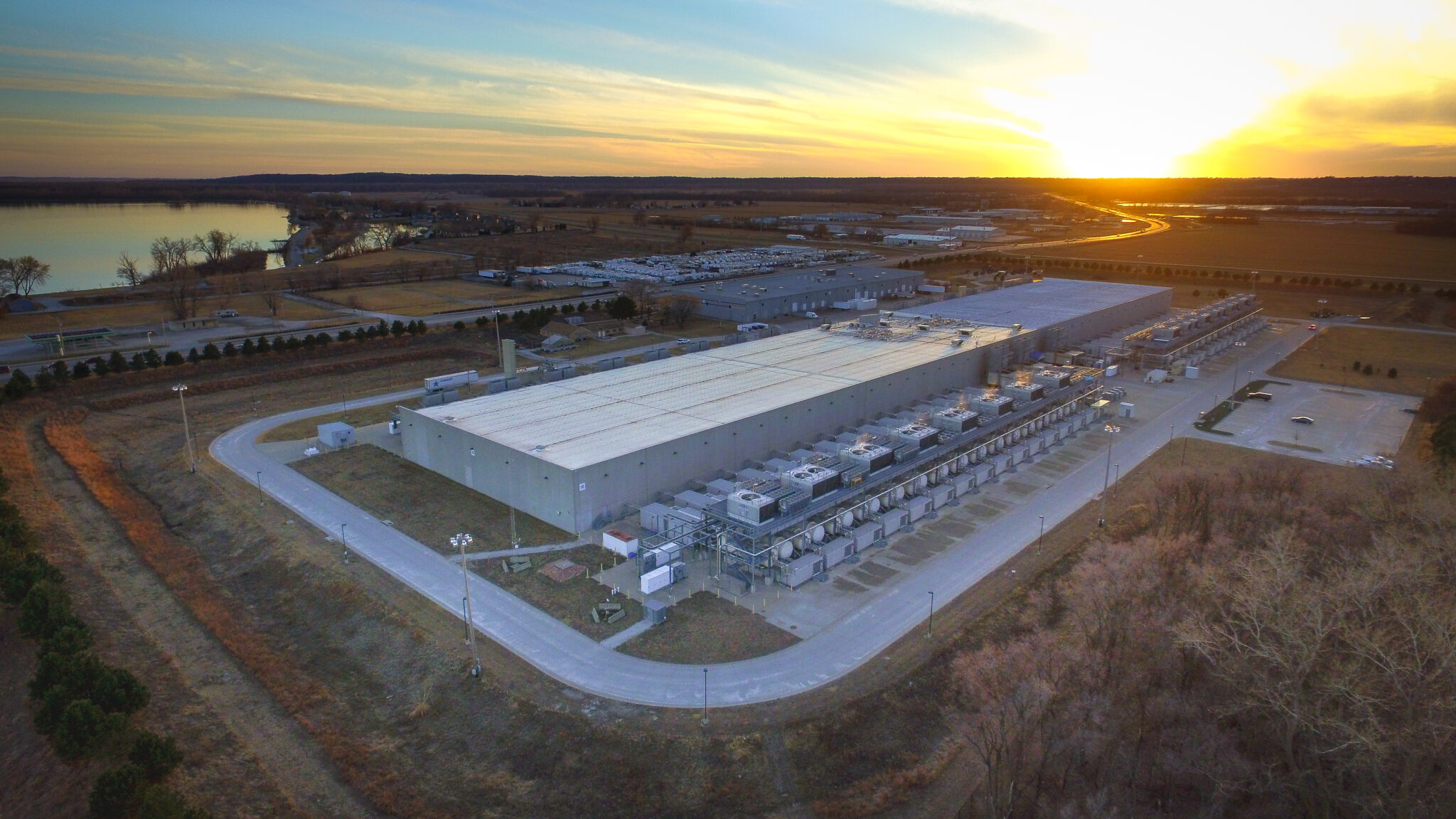
This week, a new multimillion-dollar labor-business coalition, the American Infrastructure Alliance, launched, bringing together unions, AI companies, and private equity firms to push for data center development in seven states. The group is backed by Blackstone, OpenAI, and SoftBank, and counts the IBEW, International Association of Sheet Metal, Air, Rail and Transportation Workers, the International Association of Heat and Frost Insulators and Allied Workers, the International Association of Iron Workers, and the United Association of Union Plumbers and Pipefitters among its union partners. The coalition’s goal is to work with state and local officials to establish standards and guardrails for responsible data center construction ahead of 2027 state legislative sessions and to oppose moratoriums on new projects. The push comes as data centers have become a flashpoint in the 2026 midterms, with both Texas Governor Greg Abbott and Pennsylvania Governor Josh Shapiro both reversing earlier pro-data-center positions amid political backlash. “Blanket bans on necessary infrastructure projects would set back our economy and threaten good middle-class jobs,” said IBEW International President Kenneth Cooper.
Next, several major unions have expressed support for the settlement resolving an antitrust lawsuit over Paramount Skydance’s $110 billion acquisition of Warner Bros. Discovery, citing labor protections that may be difficult to win at the bargaining table. The five-year agreement requires Paramount to invest $1.5 billion in domestic film and TV production, honor all existing collective bargaining agreements, maintain both the Paramount and Warner Bros. lots, and release a minimum number of films annually. The Teamsters, International Alliance of Theatrical Stage Employees, Directors Guild of America, and SAG-AFTRA (which specifically had opposed the merger as recently as July) have backed the deal. The Writers Guild of America separately settled its own antitrust suit, securing $17.5 million for worker healthcare and a five-year moratorium on CBS News layoffs. Labor scholars, however, cautioned that the deal’s benefits are temporary. “It’s a short-term reprieve,” argued Rutgers Professor Susan Schurman, noting that reduced industry competition will give the merged company more leverage at the bargaining table once the five-year settlement expires.

Daily News & Commentary
Start your day with our roundup of the latest labor developments. See all
October 19
FDA reverses course on policy prohibiting off-duty union activity; FAA and NATCA reach deal to secure pay increase for air traffic controllers.
October 18
Federal judge again halts cancellation of the Bureau of Prisons’ CBA; tabletop gaming workers face roadblocks in union recognition.
October 16
Department of Labor reduces wage-and-hour enforcement at unionized workplaces; Fain's victory poses question of federal monitor's extension.
October 15
New reporting examines the rollback of child labor protections; California tries to block a strike; NLRB charges Wisconsin mental health provider with firing workers during union drive.
October 14
Eleventh Circuit overturns ERISA exhaustion rule; DHS finalizes removal of automatic renewal for work permits; AFGE challenges SSA over flexible scheduling policy.
October 13
Chicago hotel workers remain on strike; a coalition of Democratic states sues the Labor Department over canceled unemployment insurance grants; the Federal Labor Relations Authority establishes a new mediation framework for federal worker disputes.