
Finlay Adamson is a student at Harvard Law School.
In today’s news and commentary, Democratic midterm victories at the federal and state level create legislative opportunities for workers and unions.
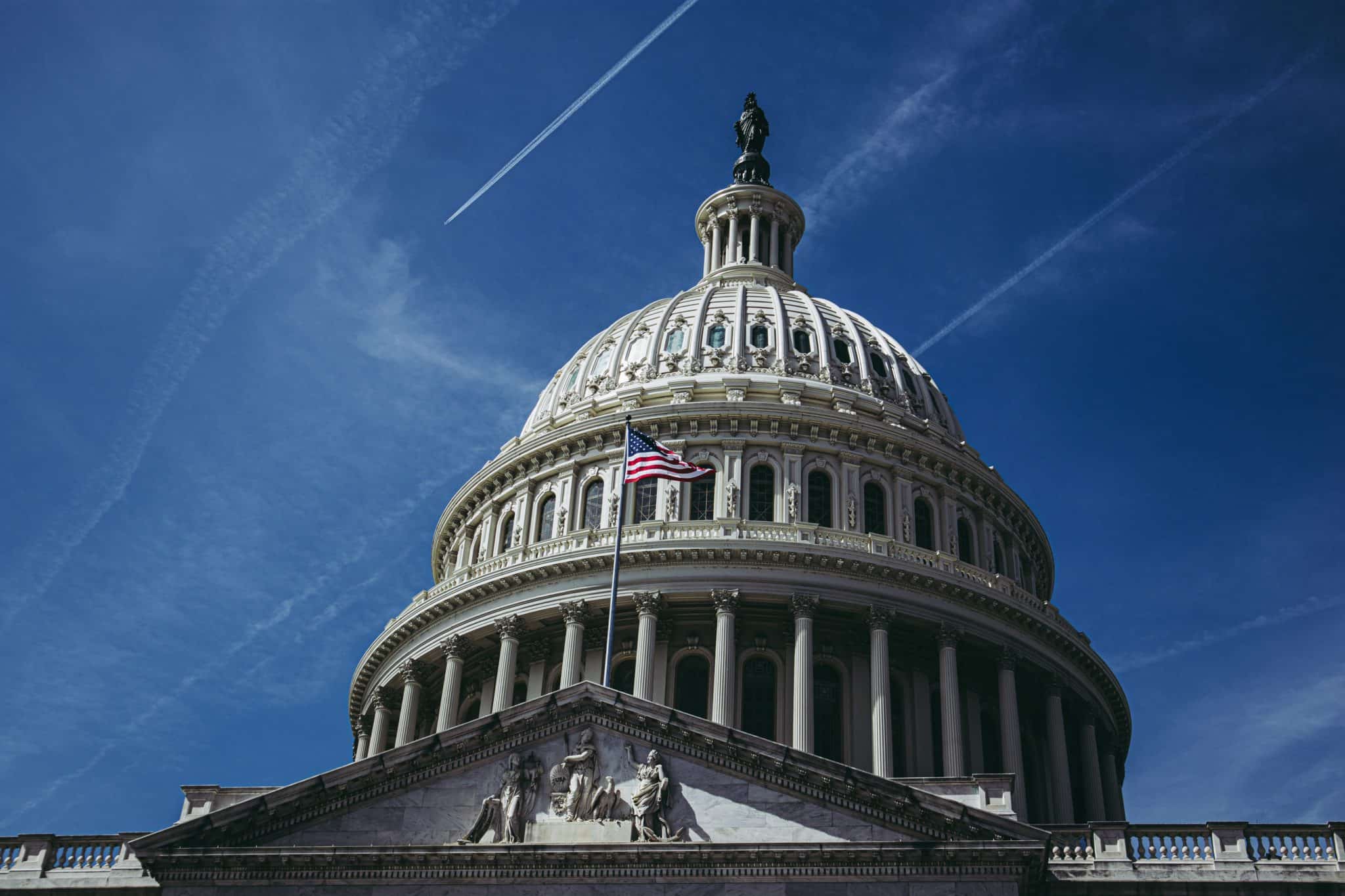
Resounding Democratic victories at the federal level in last week’s midterms could potentially lead to pro-worker legislation. In Congress, where Democrats won control of both the House and the Senate on a broad ‘affordability’ agenda, leaders stated that they anticipate bills increasing the regulation of joint employers and addressing employee misclassification. Bloomberg also reports that Democrats are likely to pursue measures to raise the minimum wage and mandate paid sick leave. However, given that Republicans will be able to block such legislation through the filibuster and President Trump’s veto, the ultimate success of Democratic legislation will likely be limited.
Democrats will also enjoy oversight over agencies including the Labor Department, the Equal Employment Opportunity Commission, and the National Labor Relations Board. This would allow them to, among other actions, subpoena agency records and call leaders to testify before Congress. Representative Bobby Scott (D-Va.), current ranking member on the House Education and Workforce Committee, sent a letter to the leaders of these agencies soon after the midterms, warning of their legal responsibility to preserve work records and declaring that “[t]he American people have given Congress a clear mandate to root out waste, fraud, and abuse within the Administration.”
Democrats also made sweeping gains in state-level politics, including likely securing new trifectas in Arizona, Michigan, Minnesota, Nevada, Pennsylvania, and Wisconsin. This gives Democratic lawmakers in Nevada and Wisconsin the capacity to repeal ‘Right to Work’ laws in each state. While Arizona has ‘Right to Work’ enshrined in its Constitution, this could be overturned via a ballot proposal. Of course, a Democratic trifecta does not guarantee this result; Virginia’s Democratic State Assembly and governor failed to repeal their ‘Right to Work’ law this year. Democrats also made gains in other states including North Carolina, Georgia, and Texas, where they will likely control the Governor’s seat and one branch of the legislature. Based on what Democratic-controlled states have pursued in recent years, these wins could potentially result in state legislation that increases the minimum wage, expands paid family and medical leave, and establishes stronger workplace safety protections.




Daily News & Commentary
Start your day with our roundup of the latest labor developments. See all
November 8
Democratic midterm victories at the federal and state level create legislative opportunities for workers and unions.
November 6
Transport Workers Union denounces Amtrak’s new policy permitting passengers to carry guns onboard; Texas Democrat wins offer hope for labor in the state.
November 5
ALJ finds cannabis workers fired for union activity; NY warehouse workers’ overtime claims advance; MLB and MLBPA continue clash over proposed salary cap.
November 4
Ninth Circuit revives cannabis retailer’s labor-law challenge and blocks California captive-audience law; NLRB names new solicitor.
November 3
Trump administration prepares to roll back PWFA regulations; AI whistleblower wins in federal court; voter enthusiasm among union members soars
November 2
DOL's domestic worker wage rules partially invalidated; Trump Administration restrained from threatening to prosecute election officials; USCIS forced to reinstate minimum notice period for unaccompanied children's asylum interviews.