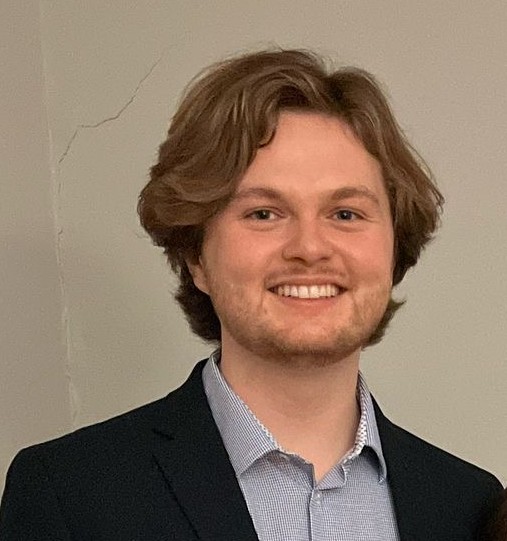
Finlay Adamson is a student at Harvard Law School.
In today’s news and commentary, the Writers Guild of America East provides writers with access to software that protects their work from AI scraping, and city workers in Oregon reach a tentative agreement after a six-day strike.
Earlier this month, the Writers Guild of America East (WGA-East) announced that members would have free access to Cloak, a software that prevents AI models from scraping and ingesting protected documents. By using the tool to encrypt their work product, writers can prevent AI models from being trained on their creative materials while still leaving their scripts accessible to human audiences. Widespread adoption of the software could theoretically limit AI’s ability to produce content for creative industries, which has been a critical concern of unions including the WGA, Screen Actors Guild – American Federation of Television and Radio Artists (SAG-AFTRA) and Directors Guild of America. Tom Fontana, President of the Writers Guild of America East, stated that the partnership with Cloak “means members don’t need to worry that their work will be used to train AI models after they send it to producers or agents” or that the “product of weeks, months, or years of work will be reduced to an AI-generated summary of an email attachment.”
City workers in Corvallis, Oregon reached a tentative collective bargaining agreement with the City last week following a six-day strike. The workers, represented by the American Federation of State, County, and Municipal Employees (AFSCME) Local 2975, engaged in the strike following a breakdown in negotiations between city leadership and the union, with key issues of dispute including wage increases and employee healthcare contributions. Over 150 workers, as well as AFSCME’s recently elected President Patrick Moran, joined the picket line. While Local 2975’s membership has voted to approve the tentative agreement negotiated by city leadership and the union, it will not go into effect until the City Council votes to ratify the agreement on November 2nd. The agreement includes a $1,000 ratification bonus, no increase to healthcare premiums until 2030, and “vastly improved” safety language.

Daily News & Commentary
Start your day with our roundup of the latest labor developments. See all
October 28
The Writers Guild of America East provides writers with access to software that protects their work from AI scraping, and city workers in Oregon reach a tentative agreement after a six-day strike.
October 27
Some California union locals defy their statewide leadership to back the state’s billionaire tax proposal; a Brown University technology center releases a map of the hidden global workforce behind AI; the National Women's Soccer League and its players union settle six grievances.
October 26
Harvard dining workers authorize strike; New York City bans horse carriages; Brooklyn nurses rally in support of colleague.
October 25
Dallas Cowboys Cheerleaders unionize; Bureau of Prisons again pushes for union contract cancellation; CSU faculty votes on strike authorization.
October 23
Employers increasingly shift health care costs onto workers and NYC proposes placing restrictions on fully automated customer service.
October 22
SCOTUS declines Wilcox appeal; Penn State research assistants win bargaining rights; SEIU sued over military leave firing.