
James Blanchfield is a student at Harvard Law School.
In today’s News and Commentary, the WGA reaches a deal with studios, a strike at meatpacking company JBS USA brings the employer back to the table, and union leaders gear up to take on AI.
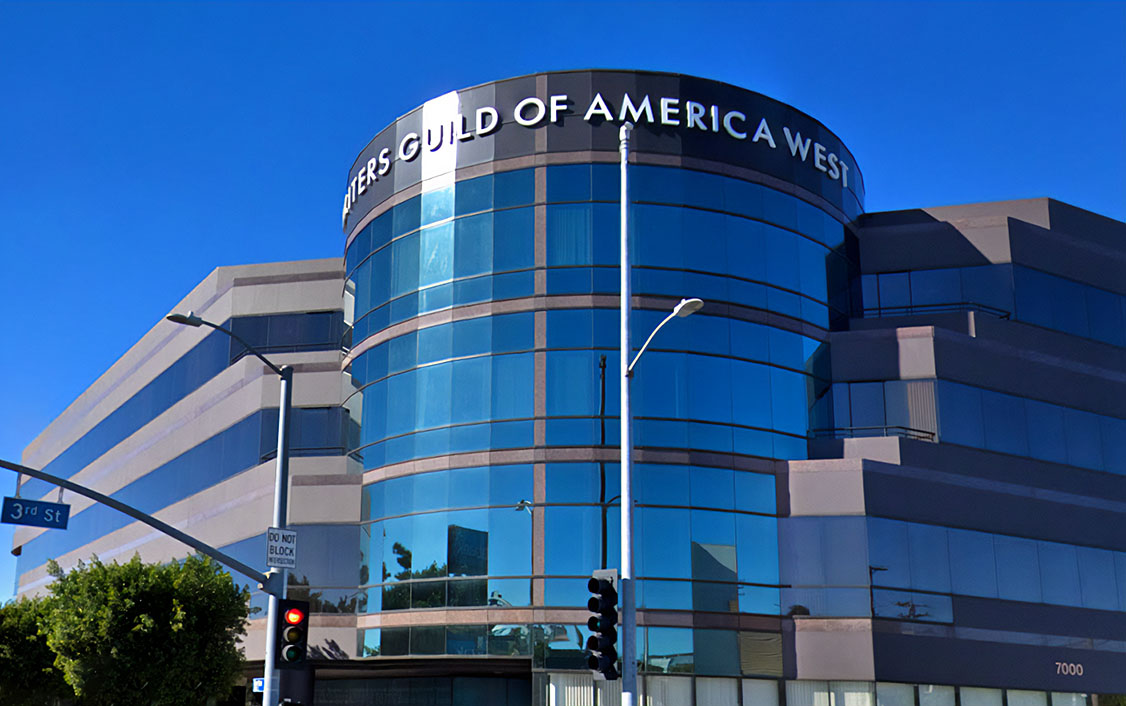
The Writers Guild of America posted on their website that the Negotiating Committee had unanimously approved a four-year tentative agreement with the AMPTP. Hollywood was eagerly awaiting positive news from the negotiations following the 2023 strikes, which lasted nearly five months. Many writers expressed relief at reaching this tentative deal, which still needs to be ratified by the Guild’s membership. Entertainment journalist Matt Belloni tweeted that the deal would include health plan increases and more protections against AI training with Writers Guild materials. However, the good news is paired with internal strife at the WGA, as the Writers Guild Staff Union has been on strike since February 17, with no clear end in sight.
In Colorado, multinational meatpacking company JBS USA has agreed to go back to the negotiating table with United Food and Commercial Workers Local 7 following a 3-week unfair labor practice strike. JBS accepted the union’s offer of an unconditional return to work starting today. As Meredith covered back in March, over 3,000 employees went to the picket line in the largest strike the industry has seen in more than 40 years. The federal health care cuts in President Trump’s One Big Beautiful Bill Act, paired with high private premiums under the national contract that JBS offers, have created an extremely challenging situation for workers in a notoriously dangerous industry. The union hopes to secure a deal that abates these rising healthcare and cost of living concerns.
Finally, the AFL-CIO recently hosted a Workers First AI summit to bring labor leaders together on the issue of AI regulation. This was partly in response to a plan released by the Trump White House that called for more online safeguards for children and fewer restrictions on permitting for data centers but notably did not mention any workplace discrimination protections. The summit’s goal was to discuss and promote policy to ensure that AI empowers workers rather than replaces them. AFL-CIO President Liz Shuler demanded a “workers first agenda” when approaching these transformative technologies, and SAG-AFTRA executive director Duncan Crabtree-Ireland emphasized being proactive, rather than “reactive.” With AI technology already accounting for a quarter of all layoffs in March, and as the technology continues to advance, it is important to address concerns for workers’ job security as soon as possible.





Daily News & Commentary
Start your day with our roundup of the latest labor developments. See all
October 19
FDA reverses course on policy prohibiting off-duty union activity; FAA and NATCA reach deal to secure pay increase for air traffic controllers.
October 18
Federal judge again halts cancellation of the Bureau of Prisons’ CBA; tabletop gaming workers face roadblocks in union recognition.
October 16
Department of Labor reduces wage-and-hour enforcement at unionized workplaces; Fain's victory poses question of federal monitor's extension.
October 15
New reporting examines the rollback of child labor protections; California tries to block a strike; NLRB charges Wisconsin mental health provider with firing workers during union drive.
October 14
Eleventh Circuit overturns ERISA exhaustion rule; DHS finalizes removal of automatic renewal for work permits; AFGE challenges SSA over flexible scheduling policy.
October 13
Chicago hotel workers remain on strike; a coalition of Democratic states sues the Labor Department over canceled unemployment insurance grants; the Federal Labor Relations Authority establishes a new mediation framework for federal worker disputes.