
James Blanchfield is a student at Harvard Law School.
In today’s News and Commentary, the Screen Actors’ Guild strikes a tentative deal with studios, the Department of Labor sets a date to decide on the Biden overtime rule, and IATSE files unfair labor practice charges against the Kennedy Center.
SAG-AFTRA has reached a tentative agreement with the AMPTP, avoiding another potential Hollywood strike. The deal covers film, television, streaming, and new media, though specific terms have not yet been disclosed. Negotiations began February 9 and centered on key union priorities, such as stronger protections and compensation related to generative AI, as well as higher wages to address inflation and healthcare eligibility challenges. With AI content becoming more and more prevalent, union leadership has emphasized the goal of ensuring AI-generated performances require consent and are compensated at levels comparable to human actors. The potential deal comes on the heels of the WGA ratifying its agreement with the AMPTP, as Finlay reported here. While the SAG-AFTRA agreement must still be approved by the union’s members, it signals a more stable labor environment for the entertainment industry as a whole.
The Department of Labor told a federal court it will decide by June 30 how to proceed with the Biden-era overtime rule. The 2024 regulation sought to expand overtime eligibility for millions of workers by raising the salary threshold to $58,656 and revising exemptions for executive, administrative, and professional employees. Originally meant to go into effect in July 2025, the rule has faced multiple legal challenges and was vacated by two Texas federal judges before any changes were implemented. The Association of Christian Schools also sued the Department of Labor under the Administrative Procedure Act. A D.C. judge paused litigation while the agency finalizes its decision on whether to revise or abandon the rule.
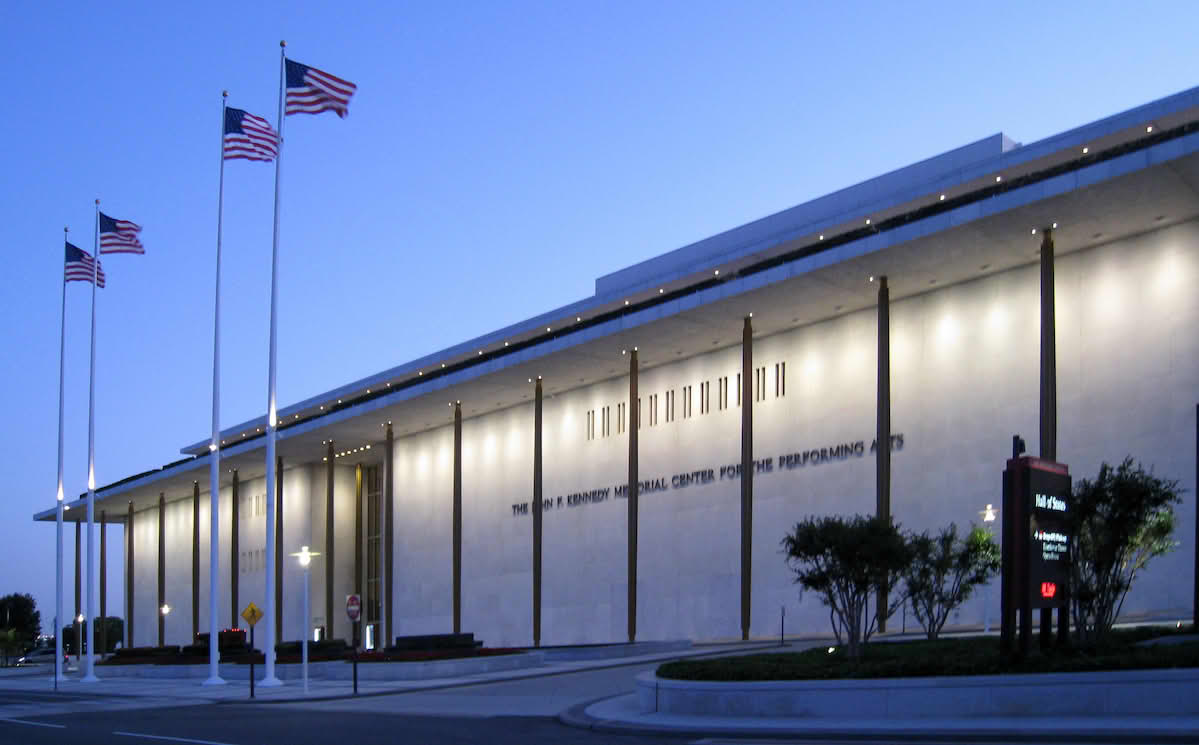
The International Alliance of Theatrical Stage Employees (IATSE) has filed unfair labor practice charges with the National Labor Relations Board against the Kennedy Center, alleging unlawful layoffs ahead of the planned two-year closure for renovations. The union claims the Center terminated workers in ticketing, group sales, and subscriptions without bargaining over the effects of the shutdown, as required under the collective bargaining agreement and federal labor law. While IATSE argues the layoffs are an attempt to permanently eliminate union jobs, the Kennedy Center maintains the closure is necessary for long-overdue repairs. The layoffs took effect April 27, with officials indicating the positions would not be replaced. The dispute arises amid broader controversy over the closure, which is also being challenged in court. Governance changes at the Kennedy Center tied to President Trump have further increased scrutiny of the decision.


Daily News & Commentary
Start your day with our roundup of the latest labor developments. See all
October 23
Employers increasingly shift health care costs onto workers and NYC proposes placing restrictions on fully automated customer service.
October 22
SCOTUS declines Wilcox appeal; Penn State research assistants win bargaining rights; SEIU sued over military leave firing.
October 21
DOL withdraws tipped-worker rule; Instacart settles hiring-bias claims; Phillips 66 locks out New Jersey refinery workers.
October 20
Korean unions oppose labor exemption bill; Portland city workers prepare for strike; UPenn grad student union looks to dismiss university filing
October 19
FDA reverses course on policy prohibiting off-duty union activity; FAA and NATCA reach deal to secure pay increase for air traffic controllers.
October 18
Federal judge again halts cancellation of the Bureau of Prisons’ CBA; tabletop gaming workers face roadblocks in union recognition.