
Justin Cassera is a student at Harvard Law School.
In today’s news and commentary, Intuit shares fall following revenue and layoffs announcement and Governor Newsom issues an executive order targeting effects of artificial intelligence on the job market.
On Thursday, shares for Intuit fell about 20% following news of slower than anticipated TurboTax revenue and plans to cut thousands of jobs. While overall revenue numbers were encouraging, the underwhelming performance of TurboTax, one of Intuit’s premier products, reignited the market’s concerns about impacts of artificial intelligence on the tax filing service. As part of Intuit’s efforts to adapt to these effects, the firm plans to reduce headcount by roughly 3,000 workers and invest their cost savings into artificial intelligence products. Intuit hopes this move will make them a “faster, leaner, more focused company.” The firm also cut 1,800 jobs in July 2024.
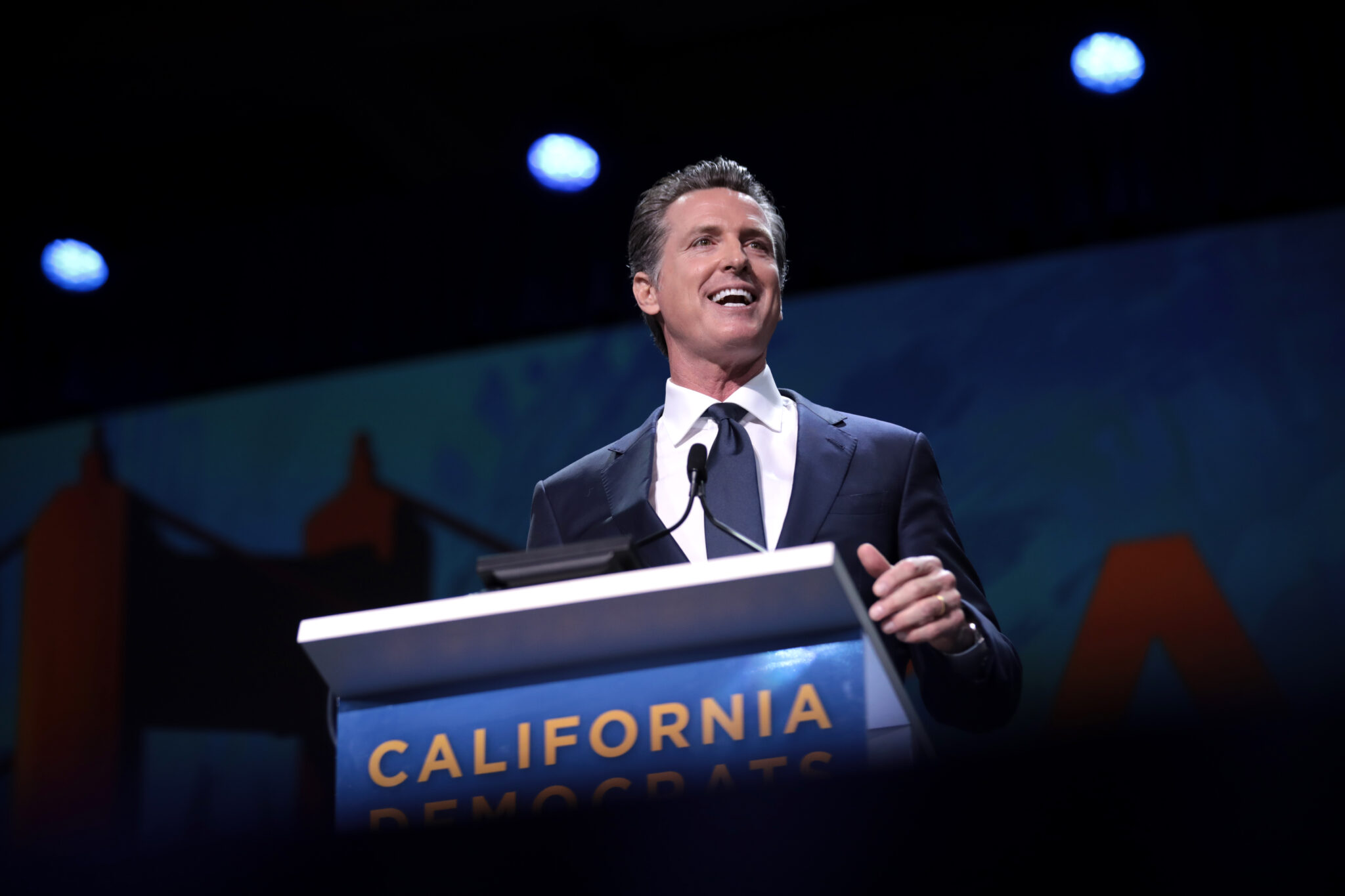
Also on Thursday, California Governor Gavin Newsom issued an executive order directing state agencies to study and explore ways to navigate the effects of artificial intelligence disruption on the workforce. According to the governor’s office, the order “mobilizes state agencies, labor experts, economists, universities, and industry leaders to develop new policies, gather data, and identify early warning signs of workforce disruption — while ensuring workers share in the gains created by AI-driven productivity.” These new proposals may include strengthened AI-specific severance standards, unemployment insurance, and data tracking to allow for faster state response times, as well as worker ownership business models and AI training programs. The order is the first of its kind. In a statement, Governor Newsom said, “This moment demands that we reimagine the entire system — how we work, how we govern, how we prepare people for the future — and that work is starting right here in the Golden State.”





Daily News & Commentary
Start your day with our roundup of the latest labor developments. See all
October 15
New reporting examines the rollback of child labor protections; California tries to block a strike; NLRB charges Wisconsin mental health provider with firing workers during union drive.
October 14
Eleventh Circuit overturns ERISA exhaustion rule; DHS finalizes removal of automatic renewal for work permits; AFGE challenges SSA over flexible scheduling policy.
October 13
Chicago hotel workers remain on strike; a coalition of Democratic states sues the Labor Department over canceled unemployment insurance grants; the Federal Labor Relations Authority establishes a new mediation framework for federal worker disputes.
October 12
Workers at the Obama Foundation begin organizing; MLB submits its latest collective bargaining agreement proposal; Brigham & Women's nurses postpone strike.
October 11
UAW President Shawn Fain succeeds in his reelection bid, and Spanish unions call for a general strike.
October 9
DHS proposes a $100k fee for the foreign grad employment program; Trump suspends tech company access to green card program; and private equity perpetuates poor working conditions for home care workers.