
Sophia is a student at Harvard Law School and a member of the Labor and Employment Lab.
In today’s news and commentary, Hollywood unions diverge in response to the latest events in the Paramount-Warner merger; Tesla defeats a nearly three-year strike in Sweden, and Professors Block and Sachs argue that sectoral bargaining at the state level is an essential tool in reviving today’s labor movement.
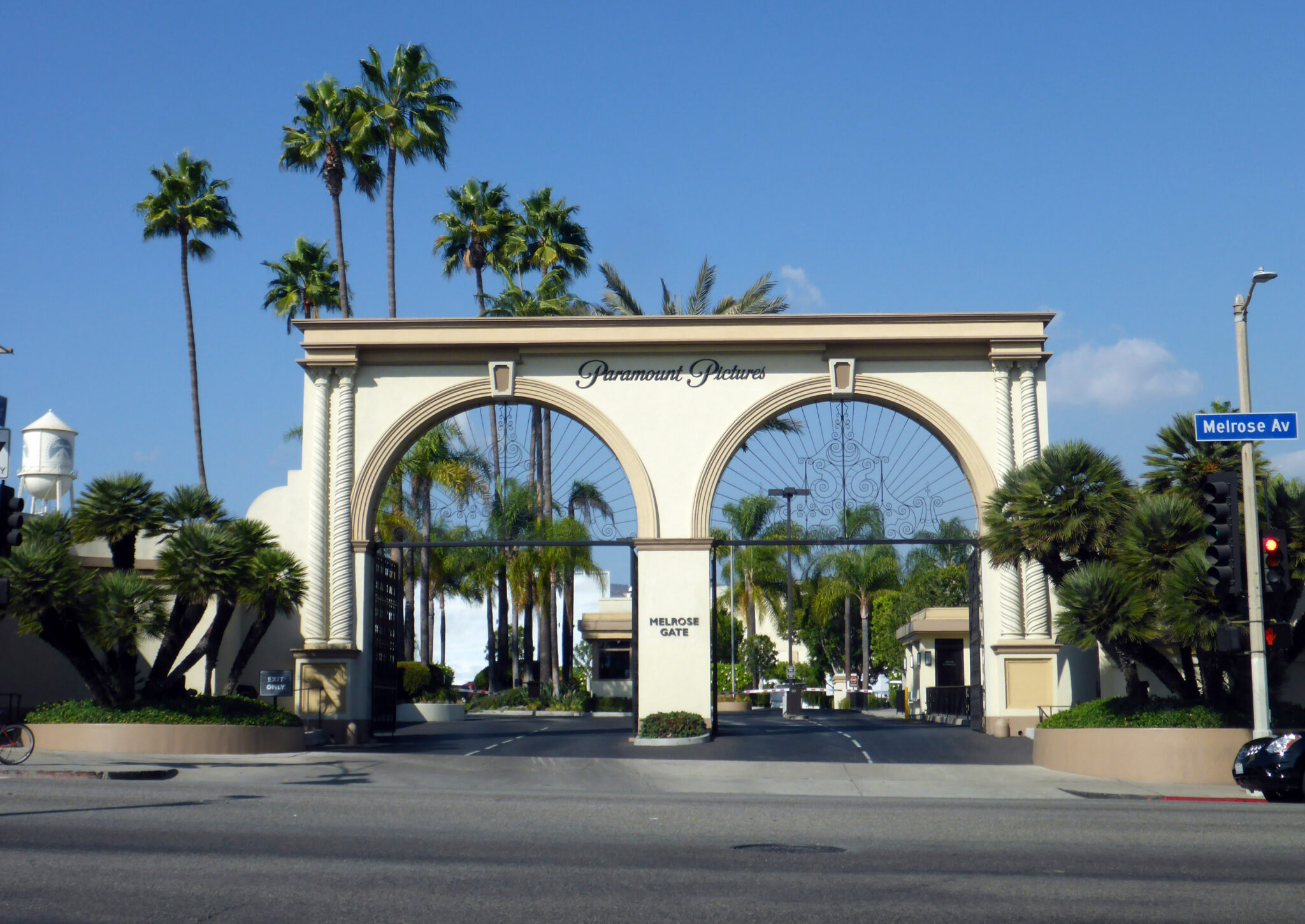
The saga of the proposed Paramount-Warner Bros. merger continues. Shortly after 12 state attorneys general filed suit last month to block the merger of the two companies, the Writers Guild of America filed suit, alleging that the acquisition would violate federal antitrust law and result in specific harm to writers. Judge Araceli Martínez-Olguín granted a 14-day temporary restraining order pausing the acquisition and scheduled trial to begin in March 2027. Then, Paramount CEO David Ellison threatened to pull the company out of California on October 1 if no progress was made in resolving the lawsuit. In response, the DGA and IATSE, who collectively represent almost 200,000 workers in the motion picture industry, issued a joint letter to California Attorney General Bonta and Ellison, urging them to either quickly resolve the “anticompetitive aspects of the merger” or move up the trial date to an earlier start. The WGA, on the other hand, issued a statement arguing that Ellison’s threat “is precisely why the merger should be blocked.”
IF Metall, a trade union in Sweden, called off its nearly three-year strike against Tesla, due to the company buying out the remaining striking workers. The multi-year dispute began in October 2023 when mechanics at ten Tesla repair shops in Sweden walked off the job in response to the carmaker’s refusal to sign a collective bargaining agreement covering employees at its Swedish service centers. In September 2025, the Swedish National Mediation Office ended its attempts to mediate between the two parties. Negotiating secretary at IF Metall said that Tesla’s refusal to come to an agreement was “unprecedented in the Swedish labor market,” considering that the Nordic labor market model follows a sectoral bargaining system, which covers nearly 90% of all employees in Sweden.
In a new Time piece, Professors Sharon Block and Ben Sachs argue that states are the key to the modern labor movement, citing recent wins in labor organizing at the state level amidst the backdrop of broken federal labor laws. In Massachusetts this past spring, 70,000 rideshare drivers formed the first rideshare drivers’ union in U.S. history, which also marked the largest private sector union organizing win since 1941. Just last week, the California Gig Workers Union established enough support to trigger recognition under state law granting over 800,000 drivers the right to unionize. These recent victories demonstrate the promise of sectoral bargaining strategies for workers not covered by the National Labor Relations Act. The Center for Labor and a Just Economy has published a Model State Sectoral Bargaining Law that state legislators can adopt to follow the footsteps of California and Massachusetts and establish sector-wide standards to protect workers within their states.





Daily News & Commentary
Start your day with our roundup of the latest labor developments. See all
October 19
FDA reverses course on policy prohibiting off-duty union activity; FAA and NATCA reach deal to secure pay increase for air traffic controllers.
October 18
Federal judge again halts cancellation of the Bureau of Prisons’ CBA; tabletop gaming workers face roadblocks in union recognition.
October 16
Department of Labor reduces wage-and-hour enforcement at unionized workplaces; Fain's victory poses question of federal monitor's extension.
October 15
New reporting examines the rollback of child labor protections; California tries to block a strike; NLRB charges Wisconsin mental health provider with firing workers during union drive.
October 14
Eleventh Circuit overturns ERISA exhaustion rule; DHS finalizes removal of automatic renewal for work permits; AFGE challenges SSA over flexible scheduling policy.
October 13
Chicago hotel workers remain on strike; a coalition of Democratic states sues the Labor Department over canceled unemployment insurance grants; the Federal Labor Relations Authority establishes a new mediation framework for federal worker disputes.