
Sophia is a student at Harvard Law School and a member of the Labor and Employment Lab.
In today’s news and commentary, calls for a “token tax” on AI consumption grow and the number of Amazon workers receiving federal aid has tripled between 2020 and 2025.
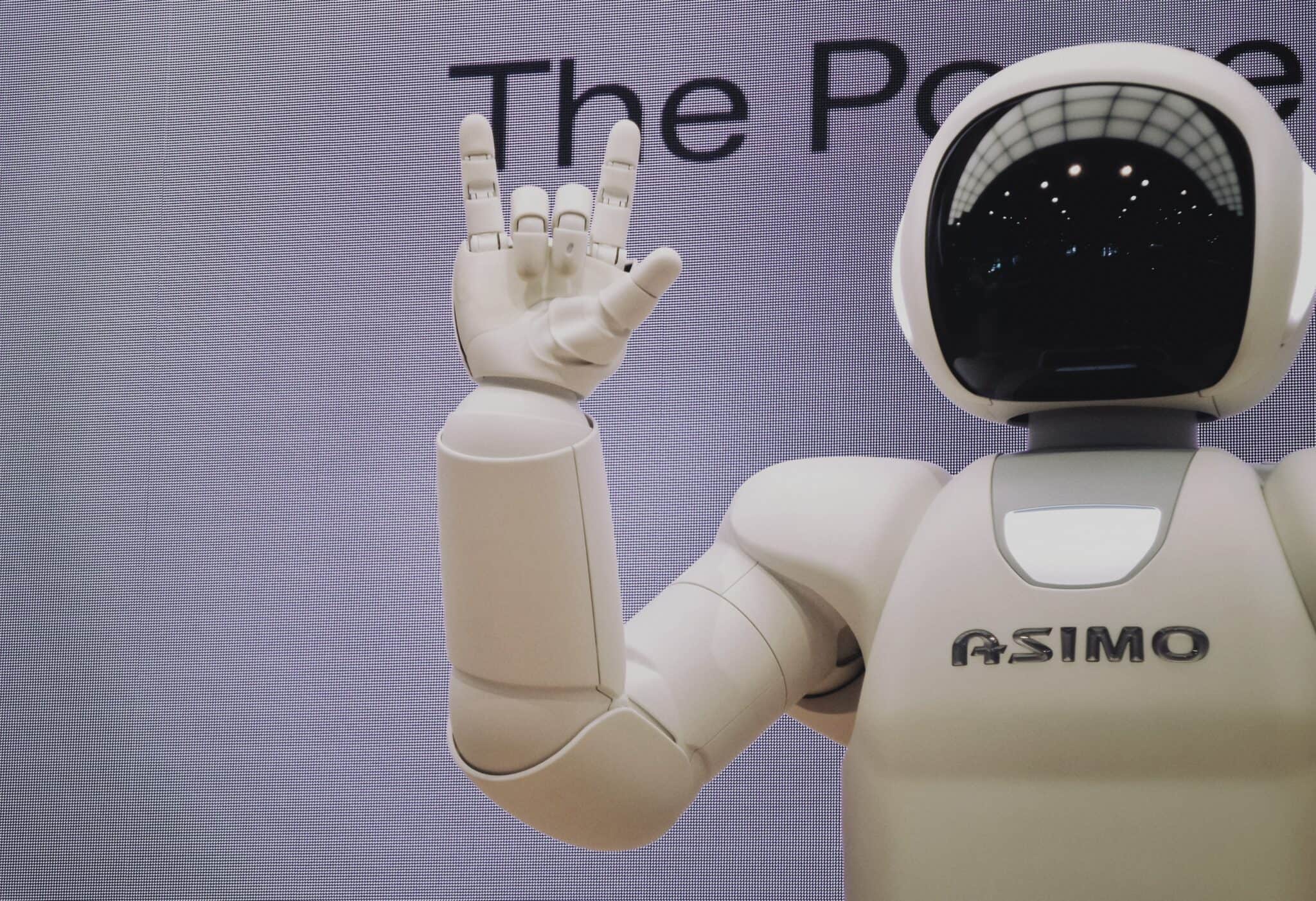
Concerns over AI’s effects on human jobs continue to grow. For the first time, over 50 percent of young adults (under age 30) say they are more concerned than excited about AI, according to a new survey by Pew Research Center. Echoing these fears, Bill Gates and executives from Bridgewater Associates have both called for a “token tax” to disincentivize replacing human labor with machine labor. An AI token is a small unit of data broken down from a large chunk of information that AI models process and generate. When businesses use enterprise versions of AI systems, they pay for each token. In other words, the price of a token is essentially the “wage paid for machine labor.” Under the current tax system, companies can typically write off the cost of buying a robot, like paying for an AI model, as a business expense, whereas employers must pay payroll taxes on employees. Gates and the Bridgwater executives both argue that the use of AI tokens and robots should be subject to a consumption tax in order to make tax policy stop incentivizing employers to replace human labor with machines. These arguments parallel the AI Tax and Work Protection Act introduced by U.S. Representative Greg Casar (D-TX) earlier this month.
A report released by the U.S. Government Accountability Office last month showed that the number of gig workers receiving federal assistance has skyrocketed since 2020. While Walmart employed the most adult workers receiving SNAP benefits in certain states in 2020, in 2025 app-based food delivery and ride-hailing platforms including Uber, Lyft, DoorDash, Grubhub, and Instacart surpassed Walmart as the top employer of workers on food stamps. App-based gig workers have also increasingly enrolled in Medicaid. Since 2020, app-based food delivery and ride-hailing platforms have surpassed McDonald’s and Dollar Tree to rank in the top three employers of non-disabled, non-elderly adult Medicaid recipients. In a written statement, Senator Bernie Sanders (I-Vermont) wrote: “American taxpayers should not be forced to subsidize the starvation wages of large corporations like Walmart and Amazon.”



Daily News & Commentary
Start your day with our roundup of the latest labor developments. See all
October 9
DHS proposes a $100k fee for the foreign grad employment program; Trump suspends tech company access to green card program; and private equity perpetuates poor working conditions for home care workers.
October 8
NLRB judge finds UPS unlawfully restricted union insignia; Harvard graduate workers authorize second strike; OSHA orders Union Pacific to pay $300,000 in damages in whistleblower case.
October 7
DOL scraps plan to remove decades-old wage-and-hour guidance from federal regulations; New York enacts personnel records access law; Starbucks loses bid to dismiss Workers United trademark suit.
October 6
Protect College Sports Act dampens athlete unionization outlook; Stanford RA union decides to withdraw petition
October 5
Delaware bans captive audience meetings; EEOC settles remote work national origin discrimination claim; First Circuit stays enforcement order in VA's dispute with AFGE.
October 4
Boston nurses announce open-ended strike; federal judge restores federal prison workers' union protections; St. Louis workers form the first movie theater union in Missouri.