
Sophia is a student at Harvard Law School and a member of the Labor and Employment Lab.
In today’s news and commentary, DHS proposes a $100k fee for the foreign grad employment program; Trump suspends several tech companies’ ability to sponsor foreign employees; and a new study finds private equity perpetuates poor working conditions in New York home care agencies.
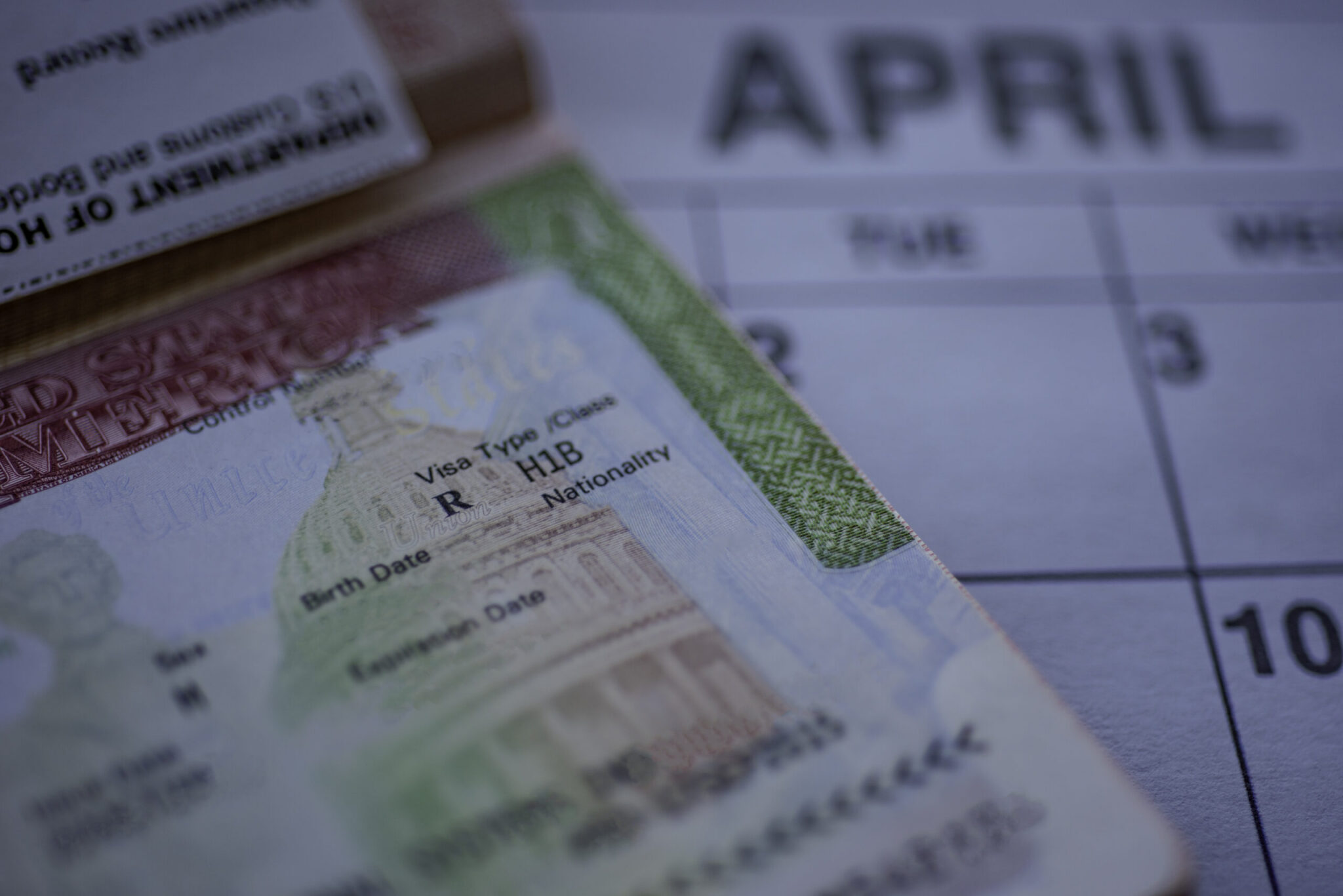
On Wednesday, the Department of Homeland Security (DHS) issued a notice of proposed rulemaking that would require all graduates with F-1 student status to pay a $70,000 fee to participate in 12 months of Optional Practical Training (OPT). OPT is a launching pad for many recent foreign grads to work in a job related to their area of study in the United States before securing an H-1B sponsorship. An additional $30,000 fee would be required for those seeking work authorization beyond the initial year, such as a two-year extension for science, technology, engineering, and math graduates. In the 2024 calendar year, about 418,000 students, over 25% of F-1 students, received work authorization through OPT. The proposed rule is the Trump administration’s latest effort to impose greater hurdles on high-skilled foreign workers seeking employment in the U.S., coming just months after DHS proposed a $103,265 fee for H-1B workers.
Yesterday, the Trump administration announced that it was suspending Microsoft and several other companies from sponsoring foreign workers seeking permanent residency in the U.S. These firms are regular users of the government’s Permanent Labor Certification process (PERM), which is a key step in obtaining a green card. H-1B temporary work visas permit a worker to stay in the U.S. for up to six years, and an employer seeking to retain a worker beyond that time frame generally must apply through PERM. In fiscal year 2025, Microsoft was the top PERM filer, while software developers and computer system analysts comprised nearly a third of all approved PERM applications.
A new report by the Worker Institute at Cornell’s Industrial and Labor Relations school revealed that private equity’s growing presence in the home care industry has resulted in negative consequences for workers. The report analyzed five private equity-owned home care agencies in New York State, and found that private equity perpetuates low wages and poor working conditions for home care workers by capitalizing on workforce exploitation, including uncompensated work, wage theft, unstable schedules, and lack of employee benefits. Moreover, this degraded job quality results in a reduced standard of care for clients, calling into question the financialization of the home care industry.





Daily News & Commentary
Start your day with our roundup of the latest labor developments. See all
October 9
DHS proposes a $100k fee for the foreign grad employment program; Trump suspends tech company access to green card program; and private equity perpetuates poor working conditions for home care workers.
October 8
NLRB judge finds UPS unlawfully restricted union insignia; Harvard graduate workers authorize second strike; OSHA orders Union Pacific to pay $300,000 in damages in whistleblower case.
October 7
DOL scraps plan to remove decades-old wage-and-hour guidance from federal regulations; New York enacts personnel records access law; Starbucks loses bid to dismiss Workers United trademark suit.
October 6
Protect College Sports Act dampens athlete unionization outlook; Stanford RA union decides to withdraw petition
October 5
Delaware bans captive audience meetings; EEOC settles remote work national origin discrimination claim; First Circuit stays enforcement order in VA's dispute with AFGE.
October 4
Boston nurses announce open-ended strike; federal judge restores federal prison workers' union protections; St. Louis workers form the first movie theater union in Missouri.