Kaitlin Knocke is a student at Harvard Law School and a member of the Labor and Employment Lab.
In today’s news and commentary, an NLRB judge finds UPS unlawfully restricted union insignia on safety vests, Harvard graduate workers overwhelmingly authorize a second strike, and OSHA orders Union Pacific to pay more than $300,000 for firing a worker who refused to work during a lightning storm.
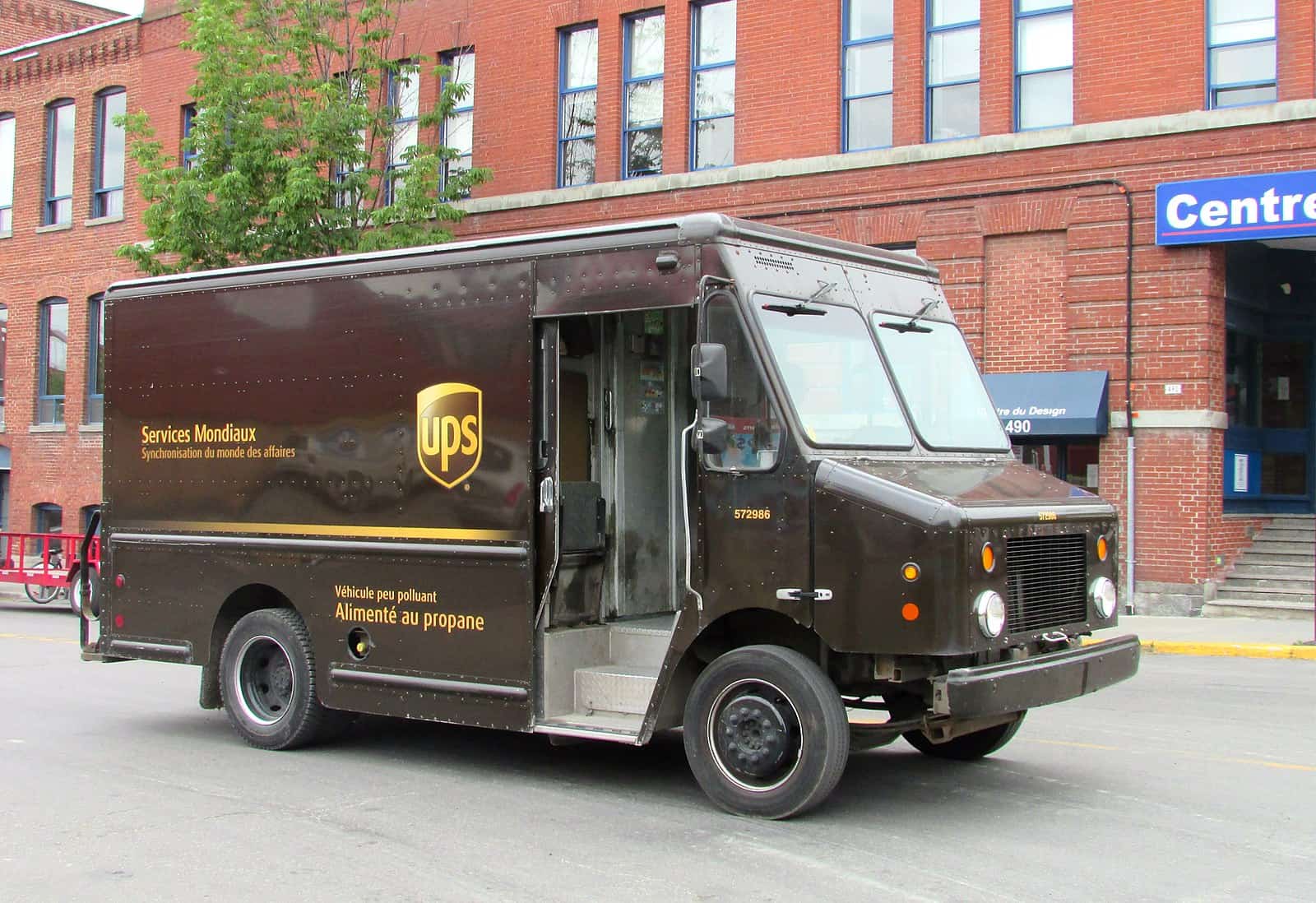
On Monday, an NLRB administrative law judge ruled that UPS violated federal labor law by prohibiting employees from displaying union insignia on company-approved safety vests. ALJ Kimberly Sorg-Graves found that UPS failed to establish a legitimate business justification for restricting union logos and buttons on the yellow and green vests. Although UPS argued that the restriction served safety purposes, Sorg-Graves concluded that the company had not shown that union insignia would obscure enough of a vest to meaningfully diminish its safety function. Employees generally have a protected right under the NLRA to wear union insignia at work, subject to limited exceptions based on special circumstances.
Tuesday evening, members of the Harvard Graduate Students Union-UAW Local 5118 voted overwhelmingly to authorize another strike amid stalled negotiations with the University. A 88% supermajority of voting members voted in favor of authorization. The vote follows a 40-day strike this spring that ended without a successor contract. After 570 days and 36 bargaining sessions, HGSU continues to seek inflation-adjusted raises, stronger protections for non-citizen workers, independent arbitration for harassment and discrimination claims, and an increase in the hourly minimum wage from $21 to $25. The authorization gives union leadership the ability to call a strike but does not itself trigger a work stoppage.
Finally, last week, the Occupational Safety and Health Administration found that Union Pacific Railroad violated the Federal Railroad Safety Act by firing a North Little Rock yardman who refused to continue working during a lightning storm. According to OSHA, the worker raised concerns about nearby lightning, cited federal safety guidance, initiated a safety stand-down, and refused to resume work until the storm passed. Union Pacific removed him from service within minutes, later charged him with insubordination, and fired him in May 2024. OSHA ordered the railroad to expunge references to the incident and pay at least $304,869 in back wages, lost benefits, and compensatory and punitive damages, plus attorney’s fees. Union Pacific has objected to the order and requested a hearing before a Labor Department administrative law judge.


Daily News & Commentary
Start your day with our roundup of the latest labor developments. See all
October 8
NLRB judge finds UPS unlawfully restricted union insignia; Harvard graduate workers authorize second strike; OSHA orders Union Pacific to pay $300,000 in damages in whistleblower case.
October 7
DOL scraps plan to remove decades-old wage-and-hour guidance from federal regulations; New York enacts personnel records access law; Starbucks loses bid to dismiss Workers United trademark suit.
October 6
Protect College Sports Act dampens athlete unionization outlook; Stanford RA union decides to withdraw petition
October 5
Delaware bans captive audience meetings; EEOC settles remote work national origin discrimination claim; First Circuit stays enforcement order in VA's dispute with AFGE.
October 4
Boston nurses announce open-ended strike; federal judge restores federal prison workers' union protections; St. Louis workers form the first movie theater union in Missouri.
October 2
Gov. Newsom signs bill regulating AI in workplace; federal judge blocks Trump's $100,000 H-1B visa fee.