
Ryan Zhang is a student at Harvard Law School and a member of the Labor and Employment Lab.
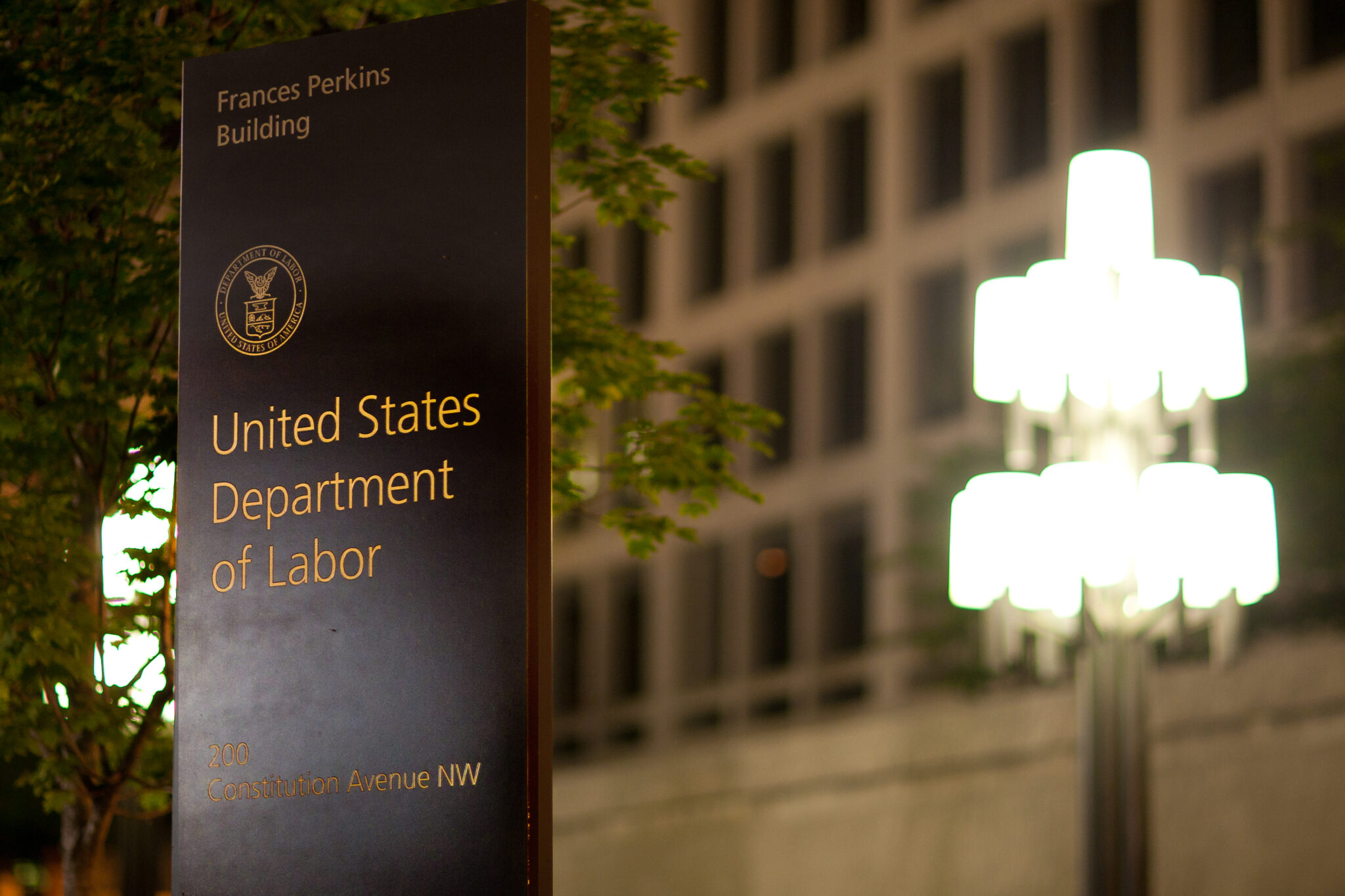
In today’s News and Commentary, the Department of Labor abandons a plan to pull longstanding wage-and-hour guidance out of the Code of Federal Regulations, New York gives employees the right to inspect their personnel files, and a federal judge keeps Workers United’s trademark suit against Starbucks alive.
The Department of Labor abandoned its plan to remove several sections of longstanding wage-and-hour interpretive guidance from the Code of Federal Regulations (CFR). In July 2025, the DOL had proposedpulling guidance that covered FLSA coverage principles, the calculation of an employee’s “regular rate of pay” for overtime purposes, and the definition of “hours worked,” and republish it as informal sub-regulatory guidance. The distinction matters because guidance codified in the CFR carries significant weight with courts and cannot be changed without public notice, whereas informal sub-regulatory guidance can be revised or withdrawn by the agency at any time. The department reasoned that because the provisions were originally issued as interpretive rules rather than through notice-and-comment rulemaking, their presence in the CFR risked confusion about whether they carried binding legal force. But public comments questioned the benefits of the move, and the DOL announced Tuesday it was canceling the proposal.
New York Governor Kathy Hochul signed into law a new provision of the New York Labor Law giving current and former employees the right to inspect and copy their personnel records. Under the law, employers must produce a complete copy of an employee’s personnel record within five business days of a written request at no charge, notify employees within ten days when negative information is placed in their file, and allow employees to submit a written rebuttal that becomes part of the record. The statute also prohibits retaliation, including threatening to contact immigration authorities, against employees who exercise their rights under the law. New York joins a growing list of states with personnel-file access laws, with the legislature drawing expressly on Massachusetts’ similar statute as its model.
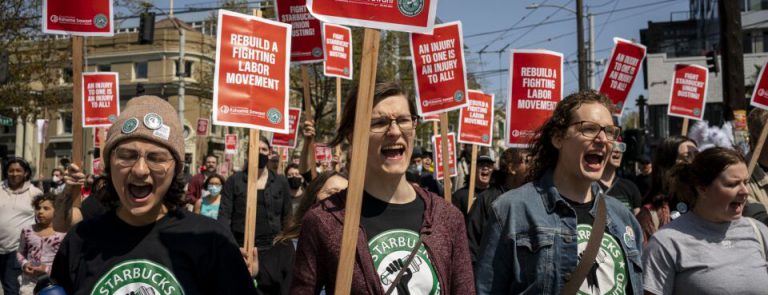
A federal judge in Pennsylvania denied Starbucks’ motion to dismiss Workers United’s lawsuit over the union’s use of the name “Starbucks Workers United” and a modified version of the company’s logo featuring a raised fist. Starbucks first sued Workers United, which represents 12,000 Starbucks baristas, for trademark infringement in Iowa in 2023. The union countered with its own suit in Pennsylvania seeking a ruling that its branding does not infringe. The two sides dismissed both cases in 2025 while negotiating but refiled this year after talks collapsed, creating parallel litigation in two circuits. Starbucks argued that a 2024 memorandum of understanding had already resolved the dispute, but Judge Michael Baylson disagreed, finding the union had stated plausible grounds for its use of the name and logo and was entitled to proceed to discovery. The case is one front in a broader conflict between Starbucks and the union, which has filed more than 1,000 unfair labor practice charges with the NLRB since organizing began.


Daily News & Commentary
Start your day with our roundup of the latest labor developments. See all
October 7
DOL scraps plan to remove decades-old wage-and-hour guidance from federal regulations; New York enacts personnel records access law; Starbucks loses bid to dismiss Workers United trademark suit.
October 6
Protect College Sports Act dampens athlete unionization outlook; Stanford RA union decides to withdraw petition
October 5
Delaware bans captive audience meetings; EEOC settles remote work national origin discrimination claim; First Circuit stays enforcement order in VA's dispute with AFGE.
October 4
Boston nurses announce open-ended strike; federal judge restores federal prison workers' union protections; St. Louis workers form the first movie theater union in Missouri.
October 2
Gov. Newsom signs bill regulating AI in workplace; federal judge blocks Trump's $100,000 H-1B visa fee.
October 1
Senate confirms Keith Sonderling as Labor Secretary; Amazon warehouse workers launch an unfair labor practice strike.