
Lynn Rhinehart is a former general counsel of the AFL-CIO and former senior counselor to U.S. Secretary of Labor Marty Walsh and Acting Secretary Julie Su. She is a senior fellow at the Economic Policy Institute. The views expressed in this piece are her own.
Last week, OnLabor ran my piece on how we could build up to sectoral bargaining in the U.S. through federal labor law reforms that facilitate workers’ ability to form unions and demand multi-employer bargaining.
I got plenty of comments and reactions to the piece – mostly positive, a few not. But many of the comments voiced a common, and troubling, refrain, expressing pessimism that meaningful federal labor reform could ever be passed.
Believe me, I understand the pessimism. We have been trying for decades to pass pro-worker federal labor law reform, and we have repeatedly failed, stymied by anti-union Republicans and corporate Democrats.
But I sincerely believe meaningful federal legislative reform is possible – not just possible, but imperative. Here’s why.
First, let’s remember how close we’ve come in the past.
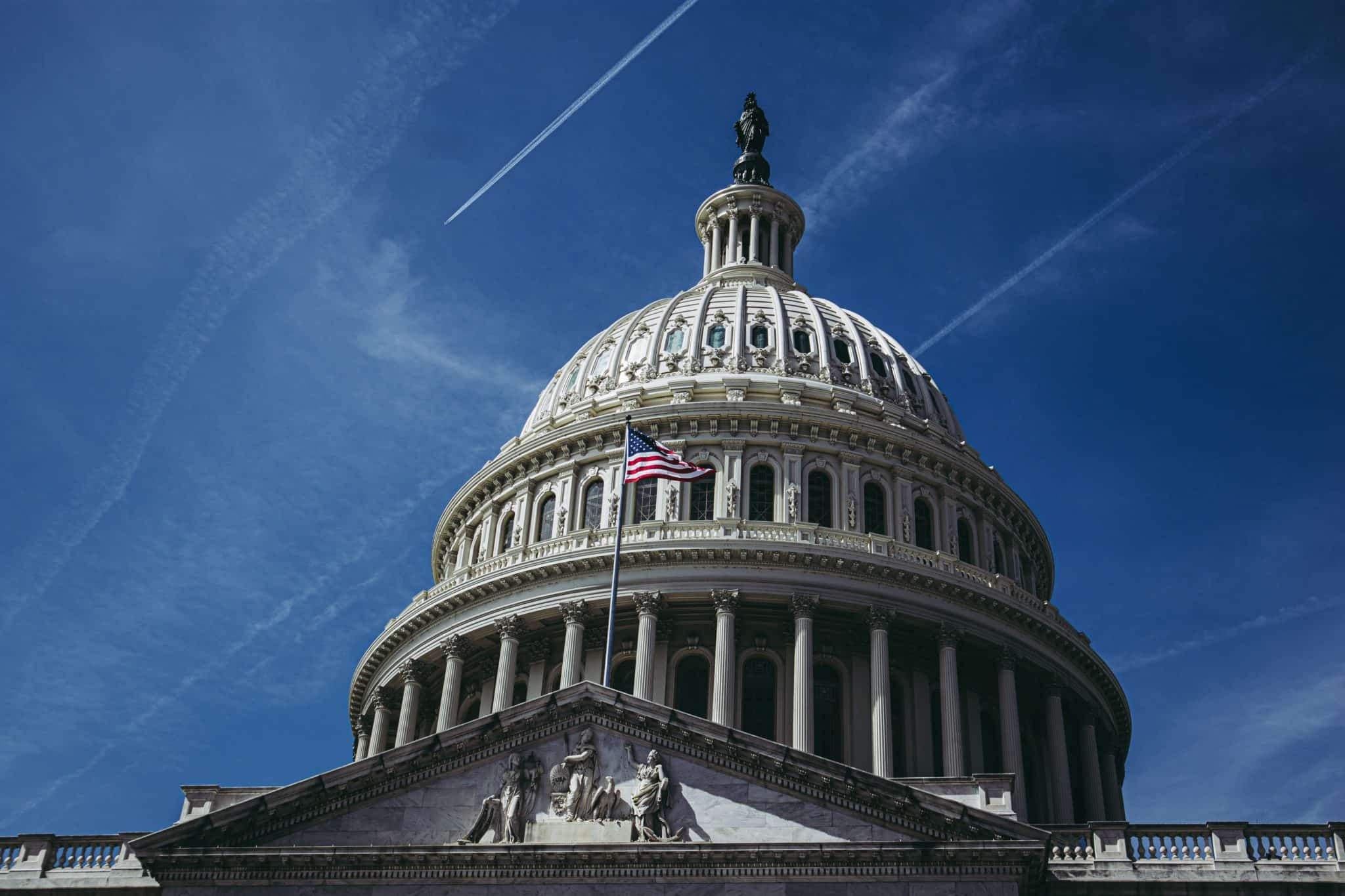
The U.S. House of Representatives passed the Employee Free Choice Act to require card check recognition, first contract arbitration, and penalties for labor law violations, in 2007. When the bill moved to the Senate, a majority of senators (51) voted to end a Republican filibuster, but under current Senate rules, a majority is not enough to end a debate on legislation – 60 votes are required.
When Barack Obama was elected president in 2008, both the U.S. House and Senate were in Democratic hands, and Democrats briefly had 60 votes in the Senate – enough to end a filibuster against labor law reform. Intense negotiations took place on a bill to bring to the floor. Tragically, Senator Edward M. Kennedy, a true champion of workers, died before the bill came to the floor, and the Republican senator elected to replace him did not support the bill. We were back to lacking the 60 votes to overcome a filibuster.
The Protecting the Right to Organize (PRO) Act passed the House of Representatives twice – once in 2020, and again in 2021. Unfortunately, the PRO Act did not have 60 votes in the Senate and its passage was blocked.
We didn’t have 60 votes, but we were close. And if the Senate had reformed its filibuster rules, labor law reform would have passed when the Democrats controlled the Senate and the bill had majority support.
Second, conditions are ripe to organize and win meaningful reform. Support for unions is at its highest level in decades – 22 points higher than when EFCA was passed. More than 50 million non-union workers say they want a union on the job. Despite tall odds and a hostile Trump Administration, union membership actually grew last year. Polling shows that people support and trust unions far more than they trust corporations or either political party. Even some Republicans are voicing support for unions and pushing for reform – the Republican co-sponsored Faster Labor Contracts Act passed the House of Representatives this year.
The time is right to organize and run a vigorous grassroots campaign to pressure elected officials to finally pass labor law reform (and amend Senate rules to do so if need be). With a strong, coordinated effort, we can pick up the few votes we need to succeed. The labor movement and its allies need to (a) mobilize to win pro-worker, pro-union majorities in the U.S. House of Representatives and Senate, both of which are absolutely possible; (b) mobilize to elect a pro-worker, pro-union president in 2028 – also very achievable; (c) condition their support for candidates on the candidate supporting comprehensive labor law reform as a top and early priority in 2029; and (d) mount a broad, energetic grassroots campaign starting NOW to build the case and support for comprehensive labor law reform.
Can it happen? Yes it can. In the words of the women’s soccer players in their fight for equal pay, LFG!




Daily News & Commentary
Start your day with our roundup of the latest labor developments. See all
October 9
DHS proposes a $100k fee for the foreign grad employment program; Trump suspends tech company access to green card program; and private equity perpetuates poor working conditions for home care workers.
October 8
NLRB judge finds UPS unlawfully restricted union insignia; Harvard graduate workers authorize second strike; OSHA orders Union Pacific to pay $300,000 in damages in whistleblower case.
October 7
DOL scraps plan to remove decades-old wage-and-hour guidance from federal regulations; New York enacts personnel records access law; Starbucks loses bid to dismiss Workers United trademark suit.
October 6
Protect College Sports Act dampens athlete unionization outlook; Stanford RA union decides to withdraw petition
October 5
Delaware bans captive audience meetings; EEOC settles remote work national origin discrimination claim; First Circuit stays enforcement order in VA's dispute with AFGE.
October 4
Boston nurses announce open-ended strike; federal judge restores federal prison workers' union protections; St. Louis workers form the first movie theater union in Missouri.