
Ryan Zhang is a student at Harvard Law School and a member of the Labor and Employment Lab.
In today’s News and Commentary, the Trump administration proposes a $103,265 fee for certain H-1B petitions, Illinois authorizes state investment in the AFL-CIO Housing Investment Trust, and Deloitte agrees to pay $21.5 million to resolve federal allegations of race- and sex-based employment discrimination.
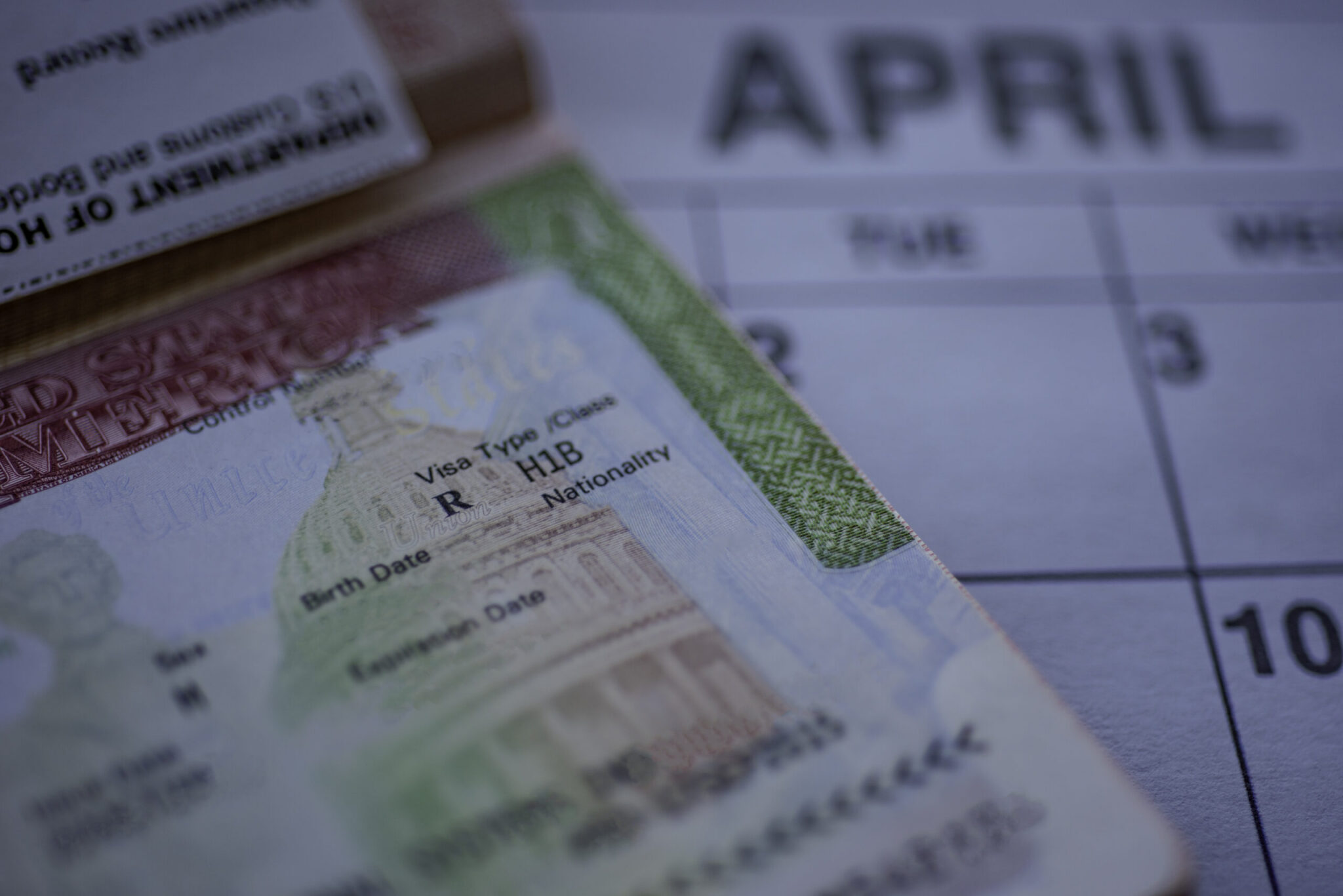
The Trump administration proposed a $103,265 fee on new H-1B visa applications, marking its second attempt to impose a six-figure surcharge after a federal judge struck down a $100,000 fee enacted by presidential proclamation in June. The administration is now pursuing the fee through the formal regulatory process, which includes a 30-day public comment period. The rule would apply to most new applications subject to the annual H-1B cap while exempting universities, nonprofits, and government research organizations. The Department of Homeland Security says the fee would fund immigration enforcement and discourage employers from hiring foreign workers instead of qualified Americans. Critics contend that it could drive jobs overseas. Research by Wharton professor Britta Glennon found that companies unable to hire H-1B workers tend to expand their foreign operations rather than increase domestic hiring. DHS itself estimates that 76% of small businesses currently sponsoring H-1B employees would be unable to afford the fee.
Governor JB Pritzker signed SB 3086, enabling the Illinois State Treasurer to invest public funds in pooled investment trusts like the AFL-CIO Housing Investment Trust, which finances housing projects built with union labor. Eligible trusts must hold more than $1 billion in assets and have voting trustees who are officers or employees of a national labor federation or an affiliated union. Pritzker described the law as part of his Building Up Illinois Developments plan, saying it would expand investment opportunities for Illinois taxpayers while promoting development and creating union construction jobs. Since its founding in 1981, the AFL-CIO Housing Investment Trust has invested more than $8 billion nationwide in affordable and workforce housing, supporting both investor returns and union employment in the building trades.
Deloitte will pay $21.5 million to settle Department of Justice allegations that its diversity, equity, and inclusion practices discriminated against employees based on race and sex, violating federal anti-discrimination requirements attached to its government contracts. The settlement was reached through the DOJ’s Civil Rights Fraud Initiative, which uses the False Claims Act against companies that certify compliance with anti-discrimination obligations while allegedly maintaining discriminatory practices. The agreement also resolves claims brought by the American Alliance for Equal Rights, founded by affirmative-action opponent Edward Blum, which will receive $4.3 million from the settlement. Deloitte denies wrongdoing, and the agreement does not constitute an admission of liability. It is the initiative’s second such settlement, following IBM’s $17 million agreement in April, and signals the administration’s continued use of fraud-enforcement tools to challenge corporate diversity programs tied to federal contracts.



Daily News & Commentary
Start your day with our roundup of the latest labor developments. See all
October 26
Harvard dining workers authorize strike; New York City bans horse carriages; Brooklyn nurses rally in support of colleague.
October 25
Dallas Cowboys Cheerleaders unionize; Bureau of Prisons again pushes for union contract cancellation; CSU faculty votes on strike authorization.
October 23
Employers increasingly shift health care costs onto workers and NYC proposes placing restrictions on fully automated customer service.
October 22
SCOTUS declines Wilcox appeal; Penn State research assistants win bargaining rights; SEIU sued over military leave firing.
October 21
DOL withdraws tipped-worker rule; Instacart settles hiring-bias claims; Phillips 66 locks out New Jersey refinery workers.
October 20
Korean unions oppose labor exemption bill; Portland city workers prepare for strike; UPenn grad student union looks to dismiss university filing