
Elias Decker is a student at Harvard Law School.
In today’s news and commentary, Governor Newsom signs bill regulating AI in workplace, and a federal judge blocks the $100,000 H-1B visa fee.
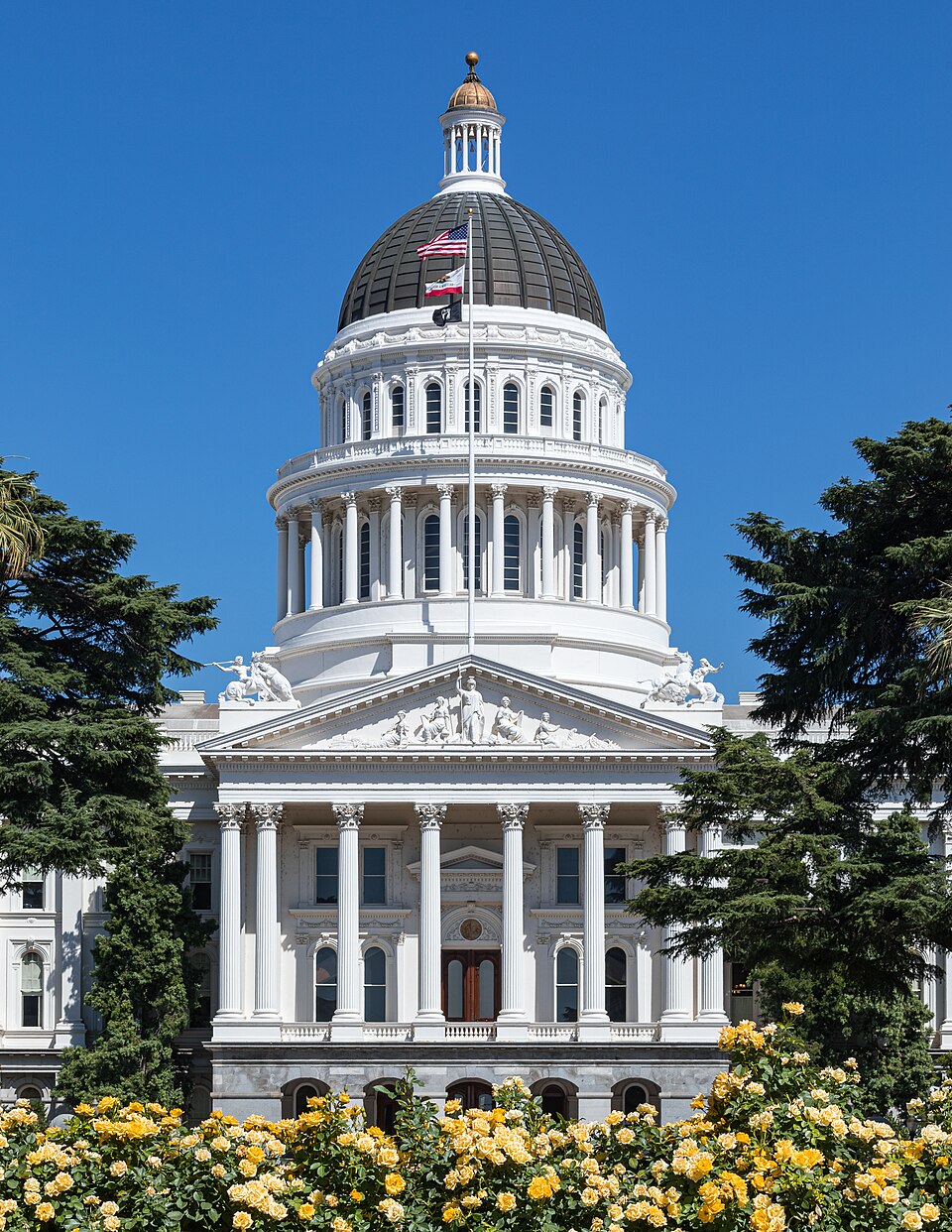
On September 30, 2026, California passed a series of trailblazing laws regulating the use of AI in the workplace. These bills ban AI use in decisions to fire or discipline workers without human oversight (SB 947), updates the WARN Act to include information about AI’s impact on layoffs (SB 951), prohibit using potentially biased and invasive AI to ascertain workers’ emotional states (AB 1883), and ban AI surveillance in bathrooms (SB 1331). The bills all received support and sponsorship from the California Federation of Labor Unions, AFL-CIO. Lorena Gonzalez, their President, said these bills give an example of “how we can begin to put guardrails on AI at work to ensure human control over this technology, limit surveillance, and put workers first.” Liz Schuler, President of the National AFL-CIO, contrasted these bills against Trump’s embrace of AI business leaders. Separately, but also included in this slate of bills, is a first-of-its-kind bill heavily regulating attorney use of AI, including preventing attorneys from putting any personal or confidential in open-access AI tools and requiring disclosure of any AI use in a brief. These bills set California ahead of all other states in regulating AI’s use in the workplace, especially in professional services.
On September 30, 2026, Judge Haywood Gilliam, Jr. of the Northern District of California granted a preliminary injunction to block President Trump’s $100,000 fee for skilled foreign workers seeking H-1B visas. Trump initially launched this idea early in his presidency, with the stated goal of driving down competition for high-paying positions, allowing domestic workers to more easily secure those jobs. Critics have connected the fee, however, to Trump’s history of racist and exclusionary policies. Indeed, this is not the first judge to order blocking the fee. In June 2026, Judge Leo Sorokin of the District of Massachusetts granted summary judgment in favor of claims based in the Administrative Procedures Act and the federal Constitution. Technically, Judge Gilliam’s ruling nixed the re-vamped version of the fee promulgated by President Trump after and in response to the Judge Sorokin decision.



Daily News & Commentary
Start your day with our roundup of the latest labor developments. See all
October 22
SCOTUS declines Wilcox appeal; Penn State research assistants win bargaining rights; SEIU sued over military leave firing.
October 21
DOL withdraws tipped-worker rule; Instacart settles hiring-bias claims; Phillips 66 locks out New Jersey refinery workers.
October 20
Korean unions oppose labor exemption bill; Portland city workers prepare for strike; UPenn grad student union looks to dismiss university filing
October 19
FDA reverses course on policy prohibiting off-duty union activity; FAA and NATCA reach deal to secure pay increase for air traffic controllers.
October 18
Federal judge again halts cancellation of the Bureau of Prisons’ CBA; tabletop gaming workers face roadblocks in union recognition.
October 16
Department of Labor reduces wage-and-hour enforcement at unionized workplaces; Fain's victory poses question of federal monitor's extension.