
Elias Decker is a student at Harvard Law School.
In today’s news and commentary, Tyson workers respond to abrupt plant shutdown and DOL ends its power to police federal contractor bias.
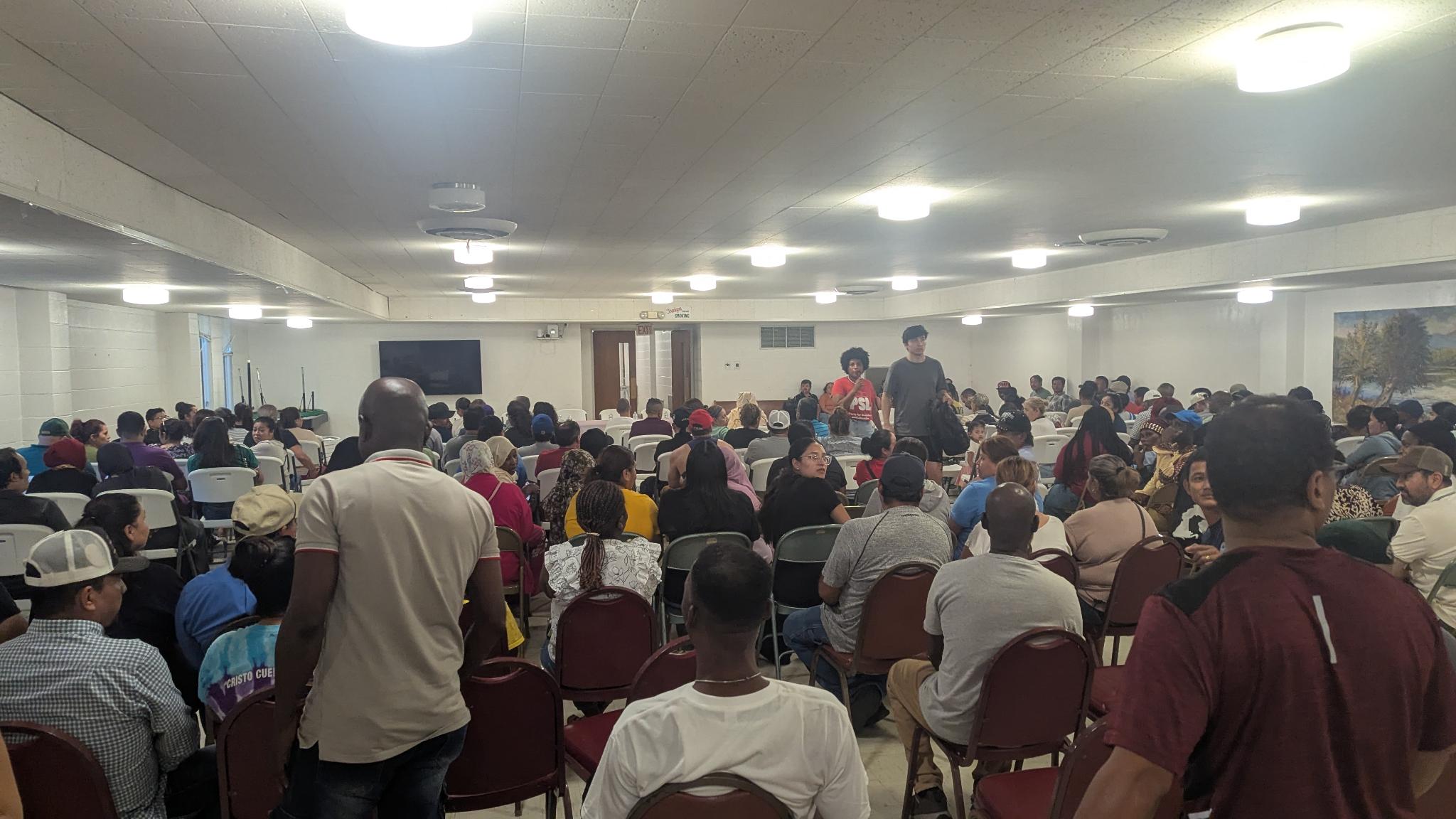
On August 14, Tyson Foods announced it would shutter its beef processing plant in Joslin, Illinois, in the Quad Cities area. This involves laying off almost 2,500 workers, who are represented by UFCW. According to the Rock Island Tri-County Consortium, Tyson submitted its WARN Act notice to Illinois state government between 30 and 60 minutes before giving layoff notices to its workers. Tyson plans to keep its workers employed through 60 days after the plant’s closing. Michael LeRoy, Professor of Labor and Employment Law at UIUC, said this plan technically comports with the WARN Act and that “an employer can lawfully give 60 days’ WARN Act notice, maintain employees on payroll/employment status, and not require them to report for work, but only if the employer continues to pay full wages and benefits throughout the entire 60-day notice period.” Workers from the plant have, in the meantime, held organizing meetings to prepare for a protest of the plant closure on August 21.
On August 21, the Department of Labor rescinded regulations that required federal contractors to have affirmative action plans and that established the Department’s ability to enforce those requirements. Those now-rescinded regulations date back to 1965 and Executive Order 11246, issued by President Lyndon B. Johnson. President Trump rescinded EO 11246, which also established the Equal Employment Opportunity Commission, in EO 14173, which was one of President Trump’s first-day executive orders. The Department of Labor’s final rule rescinding prior department regulations is intended to implement and effectuate EO 14173.




Daily News & Commentary
Start your day with our roundup of the latest labor developments. See all
October 22
SCOTUS declines Wilcox appeal; Penn State research assistants win bargaining rights; SEIU sued over military leave firing.
October 21
DOL withdraws tipped-worker rule; Instacart settles hiring-bias claims; Phillips 66 locks out New Jersey refinery workers.
October 20
Korean unions oppose labor exemption bill; Portland city workers prepare for strike; UPenn grad student union looks to dismiss university filing
October 19
FDA reverses course on policy prohibiting off-duty union activity; FAA and NATCA reach deal to secure pay increase for air traffic controllers.
October 18
Federal judge again halts cancellation of the Bureau of Prisons’ CBA; tabletop gaming workers face roadblocks in union recognition.
October 16
Department of Labor reduces wage-and-hour enforcement at unionized workplaces; Fain's victory poses question of federal monitor's extension.