
Maya Levkovitz is a student at Harvard Law School.
In today’s News and Commentary, Culinary Workers Union members protests union leadership, and unsealed documents in newspaper lawsuit against OpenAI and Microsoft reveal internal concerns about the threat of AI training to human labor.
On Thursday, members of Culinary Workers Union Local 226, Nevada’s largest union, protested their leadership outside union headquarters. Since August, hundreds of the union’s 60,000 represented workers in the hotel and casino industry have joined the rallies each week to criticize the union’s handling of wage raises and its new healthcare policy. Protesters demanded answers from union leadership, and in particular Secretary-Treasurer Ted Pappageorge, with a petition signed by over 2,000 members. Members frustrated by a reduction from their projected wage increases sought an audit of the union’s finances. On the healthcare side, the union recently opened its fourth Culinary Health Center location as part of its effort to protect its members from rising healthcare costs, but workers remain concerned about an updated policy which could require them to change their healthcare providers. Allegations against union leadership range from a lack of transparency over its newest policies to accusations of retaliatory action against those who have spoken up against various changes. In response, Pappageorge said that “[y]ou have a few hundred folks out of 60,000 that want to run the union. I say bring it on…the more people find out about what kind of help these workers got and what they’re crying about, the better.”
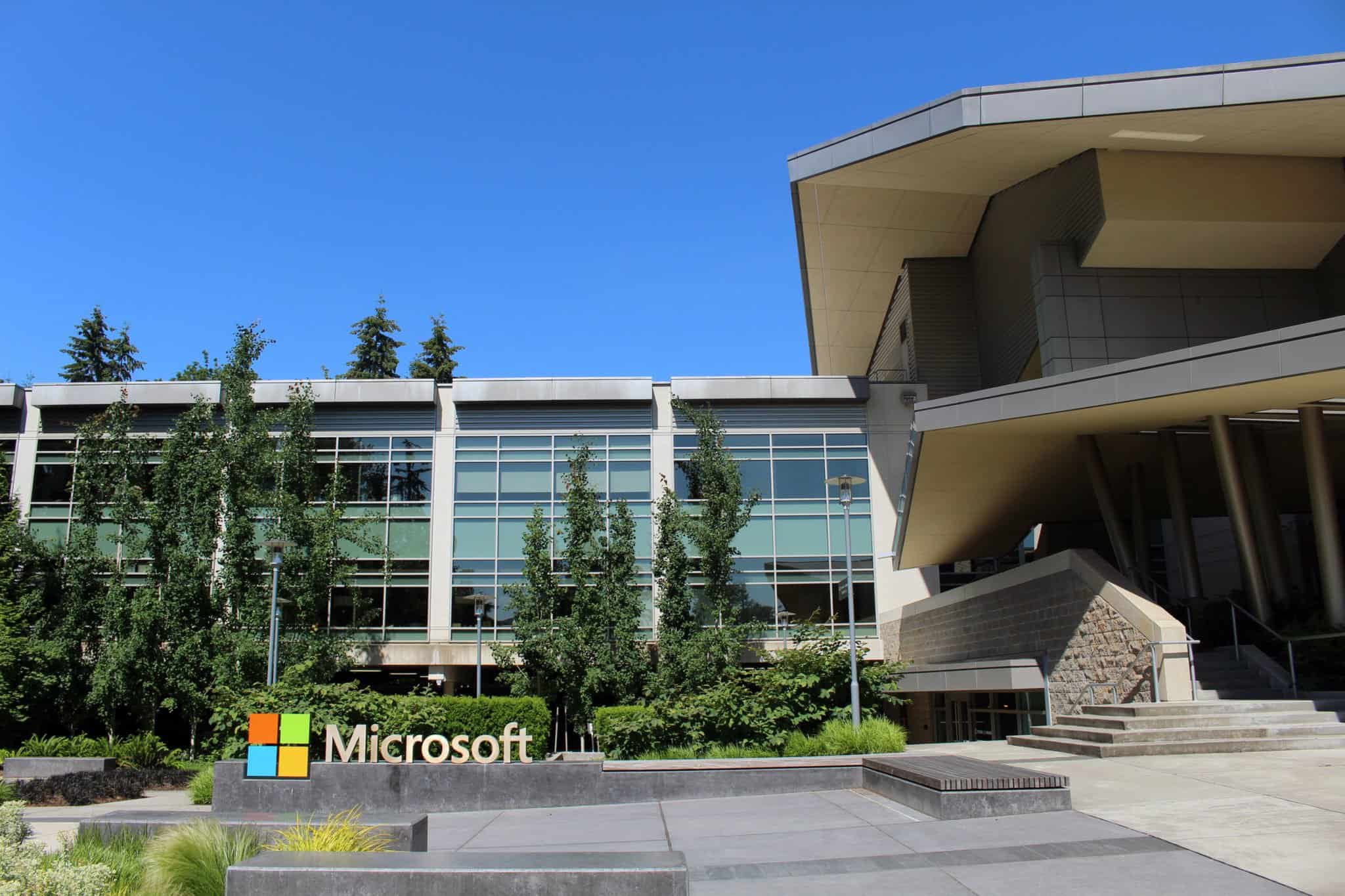
Also on Thursday, plaintiff news organizations alleged in a new court filing that OpenAI committed “an astonishing theft of unprecedented proportions” by training its AI models off of millions of news articles. The New York Times sued OpenAI and Microsoft three years ago over their use of news articles in AI training. The New York Times was joined by other news organizations and publishers in its lawsuit, including several local newspapers, Ziff Davis (owner of CNET), the parent company of Mother Jones, and The Intercept. New documents unsealed during the court proceedings revealed that Microsoft’s Director of Applied Science, Brent Hecht, called the training mechanism possibly the “largest theft of labor in human history” and a “complete mockery of the idea of ‘fair use.’” In court filings, Microsoft and OpenAI have maintained that training AI with news articles complied with the fair use doctrine for copyrighted material, as the AI output was meaningfully dissimilar enough to the scraped news articles as to be considered “new,” rather than “substitutive,” work. Microsoft said Hecht was employed “to present divergent and asymmetric perspectives,” and thus did not represent the company’s position on AI’s consistency with copyright laws. However, plaintiffs note that OpenAI used tools intentionally designed to surpass news article paywalls. Moreover, in a memo to OpenAI chief executive Sam Altman and president Greg Brockman, former OpenAI policy director and later co-founder of Anthropic Jack Clark wrote that the AI start-up was “going to increasingly lead to us creating systems that substitute for the labor of the people that define the ‘culture’ of society.”


Daily News & Commentary
Start your day with our roundup of the latest labor developments. See all
September 21
In today’s News and Commentary, the Seventh Circuit raises the bar for the NLRB to obtain preliminary injunctions, the California Primary Care Association sues SEIU-UHW for racketeering, and the Seventh Circuit finds that an employer group and think tank do not have standing to challenge an Illinois law banning captive audience meetings. On Friday, the […]
September 20
Culinary Workers Union members protests union leadership; lawsuit against OpenAI and Microsoft reveal internal concerns about the threat of AI training to human labor.
September 17
Unions push to block Google from buying Spirit Airlines employment records; U.S. Department of Labor sues Oklahoma coffee chain over alleged wage violations.
September 16
Trump nominates Catherine Eschbach as EEOC general counsel; NLRB declines to resolve union work-assignment dispute; Allina Health physicians begin four-day strike.
September 15
Documents reveal the inner workings of Amazon's union avoidance program; Washington state public sector unions reach tentative deals amid a difficult bargaining cycle; hundreds of Nevada Culinary Union members protest their union's health care changes.
September 14
NCAA and Big Ten file motion to dismiss in former star player's NIL suit; Seventh Circuit rules against former postal worker in discrimination suit.