
Maya Levkovitz is a student at Harvard Law School.
In today’s News and Commentary, an international contingent of dockworkers strike to protest arms shipments, and “Big Law” firm Weil Gotshal winds down operations.
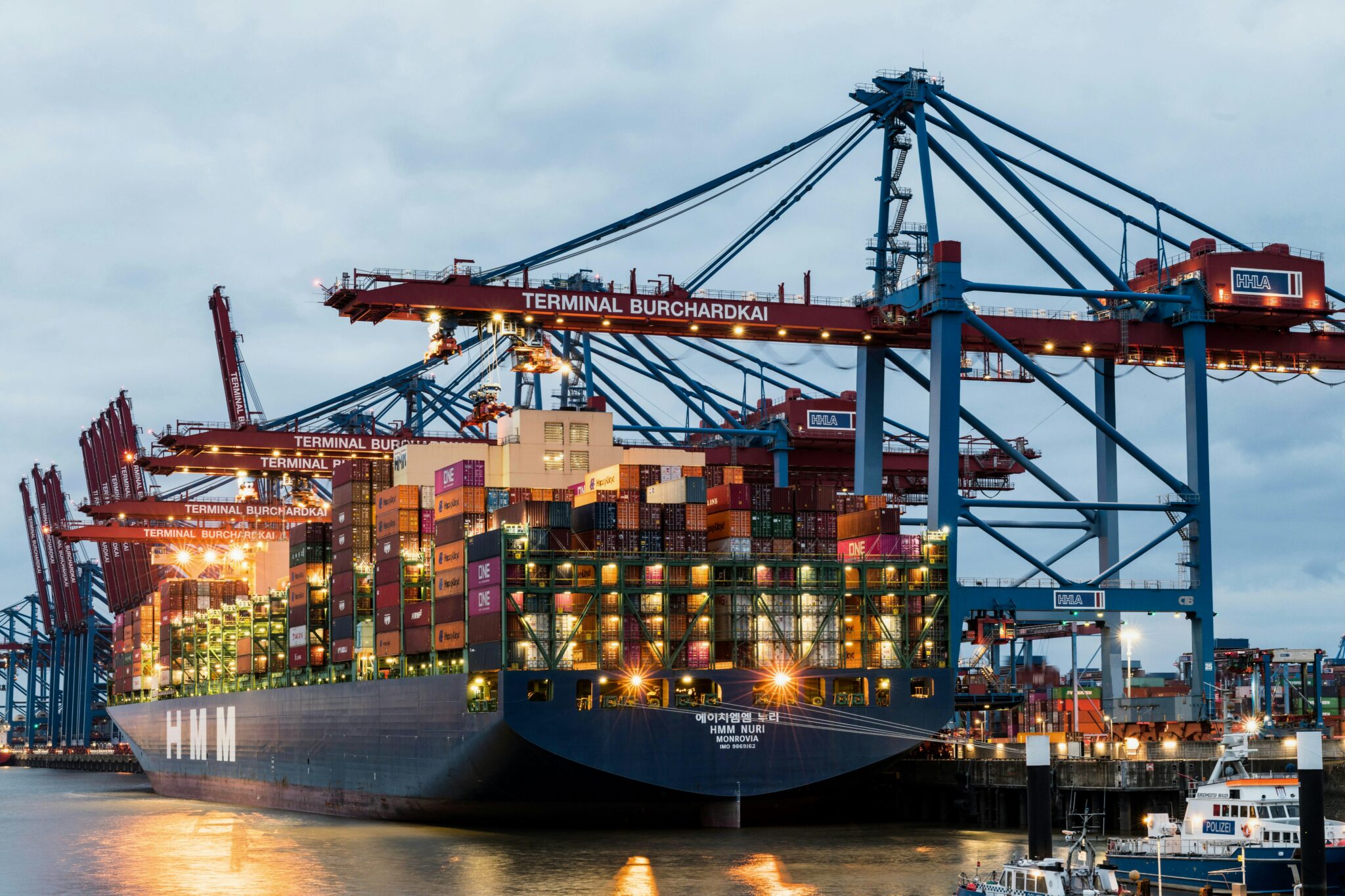
On Friday, dockworkers at over 100 ports worldwide struck as part of an international campaign calling for an “end to the militarization of ports.” In addition to demands for better labor conditions, the central issue of the strike was the reliance on ports to transport weapons, ammunition, military equipment, and troops across the Middle East, especially for use in Gaza and Iran. Beyond the personal impact of rising costs of basic goods and energy associated with the various international conflicts at-issue, strikers were especially focused on the hundreds of seafarers who have died or been injured due to attacks on ships. 25 trade unions across five continents joined the effort, which was intended to disrupt shipping and ferry routes in Europe, the Mediterranean region and North America. Although affected ports in France, Italy, Greece, Spain, Turkey, and Morocco are directly tied to arms shipments, most are also hubs of Mediterranean commerce, with the strike leaving over $2 billion worth of cargo in limbo. With Gaza as a priority, the campaign noted that “[u]p to 95 percent of Israel’s imports and exports travel by sea, relying on port infrastructure across the Mediterranean.” However, some experts doubted that the strike would cause a significant disruption to global trade, noting that a single-day work stoppage would only be problematic for time-sensitive and perishable shipments.
Also this week, the “law firm giant” of Weil, Gotshal & Manges announced that it will be closing its doors after 95 years of business. In addition to the over 600 associates left jobless, hundreds of legal support staff, administrative employees, and law students committed to Weil have flooded an already saturated job market in the past week. Although the firm’s leadership, law schools, and teams of hiring committees have made efforts to place stranded staff at new firms, the market will likely be unable to fully accommodate the sharp uptick in demand for jobs. The closure of this once-dominant firm was itself shocked the legal community, but the true surprise was how quickly Weil began to collapse. Despite the firm’s $2 billion revenue last year, analysts blame everything from inability to match competitors’ growth and a failed merger attempt for Weil’s unraveling. However, most agree that the true culprit was the loss of several top partners and their client books to other firms over the past two years, including Michael Aiello, who was considered to be the firm’s most influential partner and one of its “biggest rainmakers.” Weil’s downfall has become a stark reminder to legal professionals of the fragility of the billion-dollar “Big Law” industry.




Daily News & Commentary
Start your day with our roundup of the latest labor developments. See all
November 19
Harvard academic workers end strike without contract; Reuters journalists authorize a strike; Spirit Airlines’ sale of employee data to Google for AI training approved.
November 18
Judge vacates foreign-student visa limits; DOL proposes QPAM relief; Supreme Court declines Nexstar appeal.
November 17
Amazon workers in Canada win company's first union contract in North America; NY law gives employees access to personnel records; D.C. Circuit looks to overturn Trump joint employer rule
November 16
FMCSA ordered to disburse $73 million in withheld highway funds to New York; Department of Labor final rule regarding large union financial disclosures issued six years after initial withdrawal is upheld; Department of Labor issues enforcement alert for physician ghost networks maintained by health plans.
November 15
Unions oppose Chuck Schumer for Senate Majority Leader; Rockstar staff vote on unionization ahead of Grand Theft Auto VI’s release; New Jersey Education Association faces federal investigation.
November 12
Harvard graduate students go on strike; New York city mayor prepares to negotiate with the city's largest public union; the Trump administration proposes stringent rules for workers seeking benefits.