
James Blanchfield is a student at Harvard Law School.
In today’s News and Commentary, Amazon workers in Canada win the company’s first union contract in North America, New York’s employment law gives employees access to their personnel records, and the D.C. Circuit appears ready to overturn a NLRB joint employer rule.
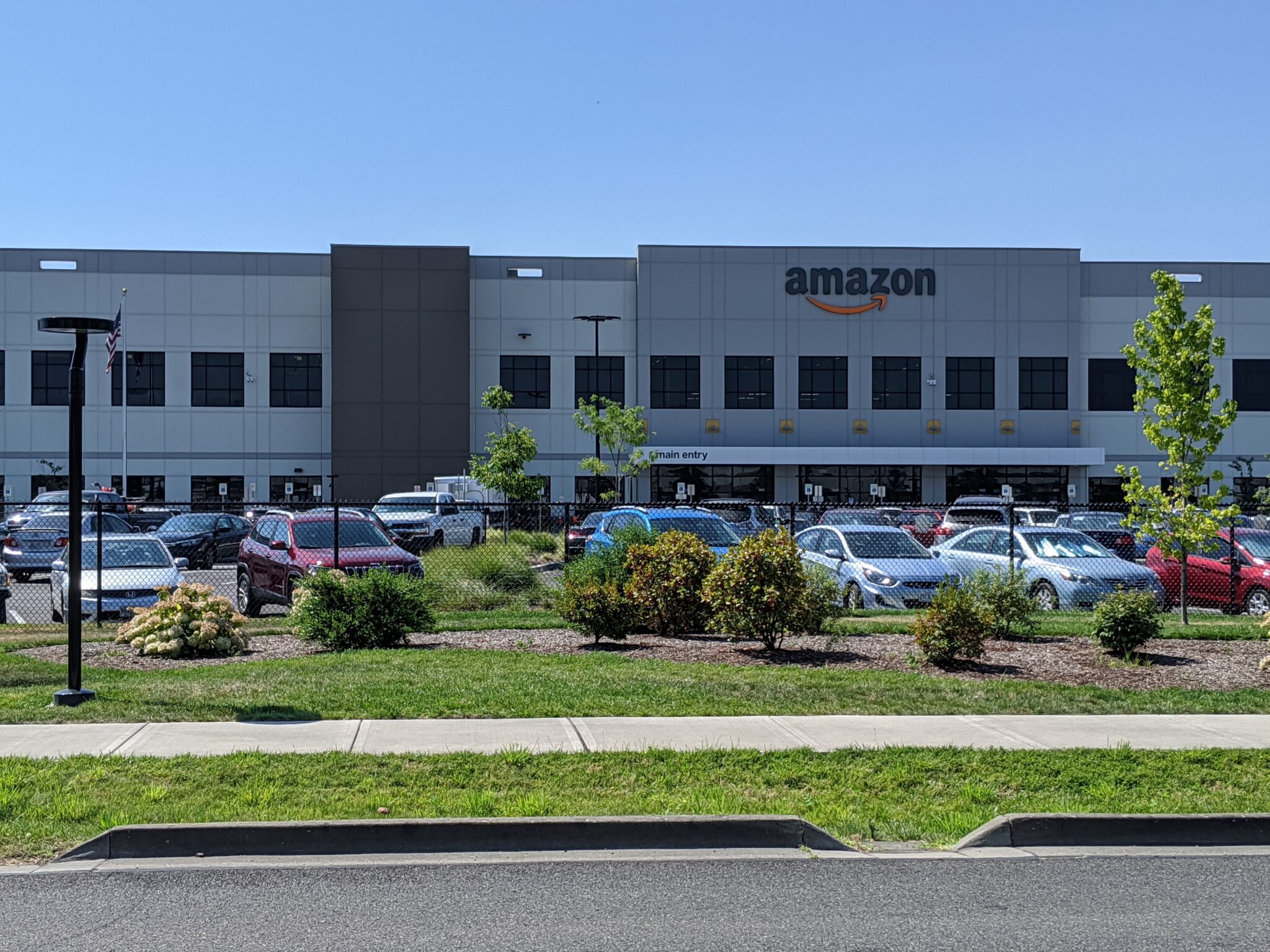
Approximately 800 workers at a fulfillment center in Delta, British Columbia made history by becoming the first Amazon employees in North America to be covered by a collective bargaining agreement. The terms of the contract between Canadian union Unifor and Amazon were imposed by an independent arbitrator. Under Canadian labor law, the provincial Labour Relations Board can step in to settle a first contract through an arbitrator if there is significant bad-faith bargaining or other factors that improperly stall negotiations. Andres Barker, Associate Chair of the Labour Board, ordered arbitration after citing a 2025 Board finding that Amazon ran a “lengthy and pervasive anti-union campaign.” The three-year agreement raises hourly wages, provides greater severance, and adds vacation time for workers, among other benefits. Amazon has said publicly that it plans to appeal the Labour Board’s arbitration decision and fight to decertify the newly formed union. In the meantime, the union is enjoying the victory. Unifor’s national president Lana Payne said proudly, “Amazon told everyone a union contract would never happen, but workers proved them wrong.”
A new section of the New York Labor Law went into effect last week which gives employees increased access to their own personnel files in employers’ records. The amended law allows workers to request free copies of their files, which can include disciplinary reports, performance reviews, and termination notices, within five business days. Employers must also inform employees within ten days whenever negative information is placed in their files. Commentators anticipate that this will give a huge boost to employees who engage in retaliation or discrimination claims against their employer. “The personnel law will level the playing field in employment cases by correcting the endemic information asymmetry between the parties,” said Rita Sethi, a New York-based attorney. The new law has its benefits for employers too, as it could lead to less litigation and faster settlements. In theory, weaker claims will be quickly weeded out upon access to the personnel files, which may reveal if adverse employer action was for legitimate reasons. While there may still be some future debate regarding compliance and what constitutes a personnel file, the law marks a significant win for workers.
The D.C. Circuit appears poised to overturn a NLRB joint employer rule from the first Trump administration. On Monday, a panel of judges heard oral arguments from both the Service Employees International Union (SEIU) and the NLRB regarding a 2020 rule which significantly narrowed the definition of a joint employer. Joint employment status is highly important for franchise operators and companies that rely on outsourced employment, as it can determine a company’s liability and bargaining obligations under federal labor law. Under the current rule, an individual franchise would be considered the sole “employer” and thus would have a duty to bargain if the employees elected to unionize, while the larger parent corporation would have no such obligation. No decision on the rule has been made yet, but the majority of judges on the panel appeared skeptical. If the court overturns the existing rule, the Board could revert to a more worker-friendly standard which would broaden the definition of joint employer and potentially force some larger corporations to the bargaining table.




Daily News & Commentary
Start your day with our roundup of the latest labor developments. See all
November 17
Amazon workers in Canada win company's first union contract in North America; NY law gives employees access to personnel records; D.C. Circuit looks to overturn Trump joint employer rule
November 16
FMCSA ordered to disburse $73 million in withheld highway funds to New York; Department of Labor final rule regarding large union financial disclosures issued six years after initial withdrawal is upheld; Department of Labor issues enforcement alert for physician ghost networks maintained by health plans.
November 15
Unions oppose Chuck Schumer for Senate Majority Leader; Rockstar staff vote on unionization ahead of Grand Theft Auto VI’s release; New Jersey Education Association faces federal investigation.
November 12
Harvard graduate students go on strike; New York city mayor prepares to negotiate with the city's largest public union; the Trump administration proposes stringent rules for workers seeking benefits.
November 11
MIT grad union avoids strike, Colombian union clashes with Nestlé, and DOL proposes stricter UI requirements.
November 10
The White House nominates new EEOC and FTC commissioners; casino workers at Encore Boston Harbor ratify a new contract ending a two-month strike.