James Blanchfield is a student at Harvard Law School.
In today’s News and Commentary, a federal judge blocks ICE raids at construction sites in Alabama, hotel workers in Chicago vote to strike, and AutoZone workers in New York seek to create their first union.
On Monday, the U.S. District Court for the Southern District of Alabama granted a preliminary injunction which blocks ICE agents from detaining construction workers without reasonable suspicion that they are undocumented. Chief Judge Jeffrey Beaverstock issued the order. The lawsuit was brought by Leonardo Garcia Venegas, a construction worker who says that he was detained twice on the job last year despite being a U.S. citizen. He claims officers refused to believe him when he reported his citizenship status and even rejected his ID as proof of legal status. The government claimed that Venegas posed a safety threat and that the officers had reasonable belief that Venegas was undocumented, but Judge Beaverstock rejected these arguments, citing videos of the encounter provided in support of the injunction that showed Venegas acting in a peaceful manner. Beaverstock asserted that warrantless arrests based on ethnicity “undermine[] the fact specific considerations required by [the] Fourth Amendment.” Jared McClain, Venegas’s attorney, described the order as “a huge blow to DHS’s lawless enforcement practices.”
In Chicago, members of UNITE HERE Local 1 voted to authorize strikes on Monday. The union, which represents approximately 7,000 hotel workers over 46 hotels, has been in negotiations since the contracts with various hotels expired at the end of August. With the strike authorization in place, the workers could walk off the job at any time. While workers have not begun striking yet, they hope to achieve similar outcomes to 2018, when a month-long strike resulted in a new contract that secured year-round health insurance for workers. Karen Kent, the president of Local 1, said that the workers “need better wages that they can survive on.” A union survey last year found that nearly one-third of workers did not have enough money to pay their rent or mortgage over the last year. With housing and other essential costs continuing to rise, the union is willing to do what it takes to guarantee more financial security for its members.
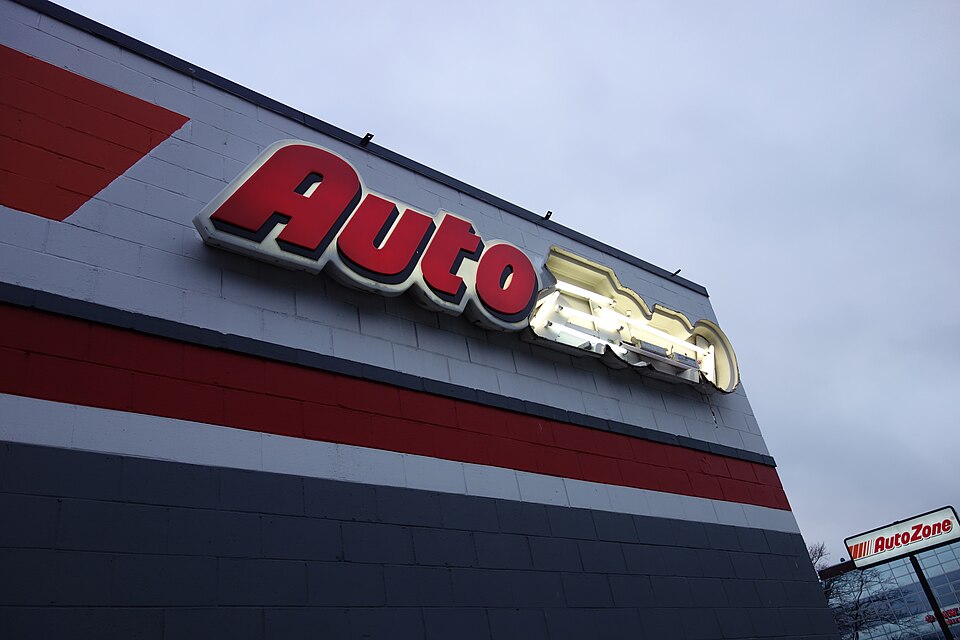
Workers at an AutoZone store in White Plains, NY are looking to become the first AutoZone in the country to establish a union. Eleven workers are eligible to vote to join UAW, who ran an organizing drive at the store over the summer. The organizing efforts have come with strong company opposition, as AutoZone has spent an estimated $200,000 in an anti-union campaign. The company’s aggressive response has been well-documented, with regional managers and human resources personnel flying in from around the country to deliver anti-union messages. Nathan DuCongé, who has been working at the White Plains AutoZone for two years, provided recordings where a manager told him that his social media posts were being monitored after he expressed interest in the union. Management also wrote letters to the workers, claiming that the employees may end up with less after the bargaining process. Ultimately, the workers hope the organizing efforts can make a positive change not just at this store, but at other stores like it. One employee said, “Seeing the amount of money, the managers, everybody that they’re sending in, it really kind of shows that you can make change at the store. … It means that you are really out there changing things, and I believe that if we can do it, and hopefully we do win, then everybody else can too.”





Daily News & Commentary
Start your day with our roundup of the latest labor developments. See all
October 13
Chicago hotel workers remain on strike; a coalition of Democratic states sues the Labor Department over canceled unemployment insurance grants; the Federal Labor Relations Authority establishes a new mediation framework for federal worker disputes.
October 12
Workers at the Obama Foundation begin organizing; MLB submits its latest collective bargaining agreement proposal; Brigham & Women's nurses postpone strike.
October 11
UAW President Shawn Fain succeeds in his reelection bid, and Spanish unions call for a general strike.
October 9
DHS proposes a $100k fee for the foreign grad employment program; Trump suspends tech company access to green card program; and private equity perpetuates poor working conditions for home care workers.
October 8
NLRB judge finds UPS unlawfully restricted union insignia; Harvard graduate workers authorize second strike; OSHA orders Union Pacific to pay $300,000 in damages in whistleblower case.
October 7
DOL scraps plan to remove decades-old wage-and-hour guidance from federal regulations; New York enacts personnel records access law; Starbucks loses bid to dismiss Workers United trademark suit.