
Justin Cassera is a student at Harvard Law School.
In today’s news and commentary, the Bureau of Labor Statistics releases the May jobs report and the Office of the United States Trade Representative proposes new tariffs based on findings of forced labor.
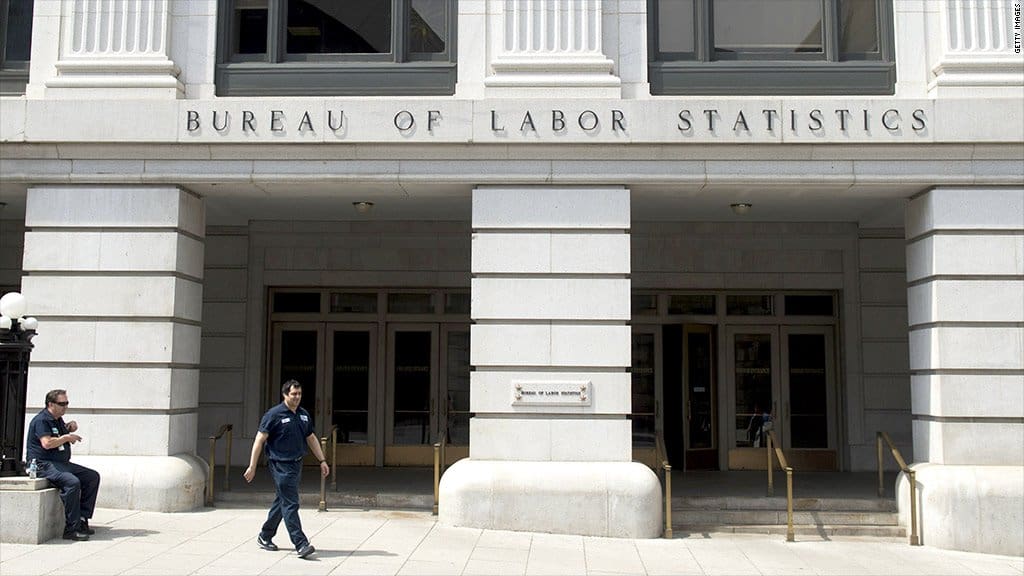
On Friday, the Bureau of Labor Statistics (BLS) reported that the U.S. economy added 172,000 jobs in May, indicating a resilient labor market amid growing energy and inflationary crises. As expected, the education and healthcare sectors were among the largest contributors to the reported growth, as well as a more surprising gain of 70,000 positions in the leisure and hospitality industry. Although the national unemployment rate remained unchanged at 4.3%, concerns about wage growth falling behind inflation continue to grow. According to the report, average hourly earnings have increased by 3.4 percent over the last year, coming up short of the 3.8% inflation rate reported in April. The government will release the May inflation report later this week, with many members of the FOMC already signaling a willingness to raise rates in the coming months.
Last week, the Office of the United States Trade Representative made findings and proposed action on 60 countries who have “fail[ed] to impose and effectively enforce a prohibition on the importation of goods produced with forced labor.” Finding that these failures “unreasonabl[y] . . . burden[] or restrict[] U.S. commerce,” the Trade Representative proposed “additional duties on all products of the investigated economies.” The proposed tariffs range from 10–12.5% and are targeted at, among others, the European Union, Canada, Mexico, China, and Japan. In announcing the proposal, Trade Representative Jamieson Greer stated, “The failure of our most important trading partners to address the importation of goods made with forced labor is unacceptable. This creates a dynamic where American workers are forced to compete globally on an unlevel playing field.” Spokespeople for China and the European Union, however, disagreed, characterizing the proposal as “unjustified” and inflexible “unilateral restrictions.” Public comments on the proposal are due by July 6, 2026.




Daily News & Commentary
Start your day with our roundup of the latest labor developments. See all
October 13
Chicago hotel workers remain on strike; a coalition of Democratic states sues the Labor Department over canceled unemployment insurance grants; the Federal Labor Relations Authority establishes a new mediation framework for federal worker disputes.
October 12
Workers at the Obama Foundation begin organizing; MLB submits its latest collective bargaining agreement proposal; Brigham & Women's nurses postpone strike.
October 11
UAW President Shawn Fain succeeds in his reelection bid, and Spanish unions call for a general strike.
October 9
DHS proposes a $100k fee for the foreign grad employment program; Trump suspends tech company access to green card program; and private equity perpetuates poor working conditions for home care workers.
October 8
NLRB judge finds UPS unlawfully restricted union insignia; Harvard graduate workers authorize second strike; OSHA orders Union Pacific to pay $300,000 in damages in whistleblower case.
October 7
DOL scraps plan to remove decades-old wage-and-hour guidance from federal regulations; New York enacts personnel records access law; Starbucks loses bid to dismiss Workers United trademark suit.