
Lara Weinberg is a student at Harvard Law School.
In today’s news and commentary, the DOL bars ESG investing in 401(k) plans, the Fifth Circuit rules the Pregnancy Workers Fairness Act was unconstitutionally passed, and the EEOC repeals workforce data requirements for federal agencies.
On Tuesday, the Department of Labor published a proposed rule that would prohibit 401k plans from taking into account ‘environmental, social, and governance’ (ESG) factors in their investments. ESG investing grew in popularity over the past decade, leading the DOL under President Biden to create guidance on the topic for fiduciaries covered by ERISA. Under Biden, fiduciaries could consider the economic effects of climate change, and use ESG factors as a ‘tie-breaker’ between otherwise equal investment opportunities. Among the current proposed changes, the new guidance to fiduciaries would remove all mention of “climate change and other environmental, social, or governance factors,” add stronger language requiring investment with the “exclusive purpose of maximizing participants’ interests,” and remove the tie-breaker provision. The proposal would also heighten the standards of duty applied to proxy voting, which the department says have been used to press ESG and diversity, equity and inclusion goals on companies. The sixty-day public comment period is now underway.
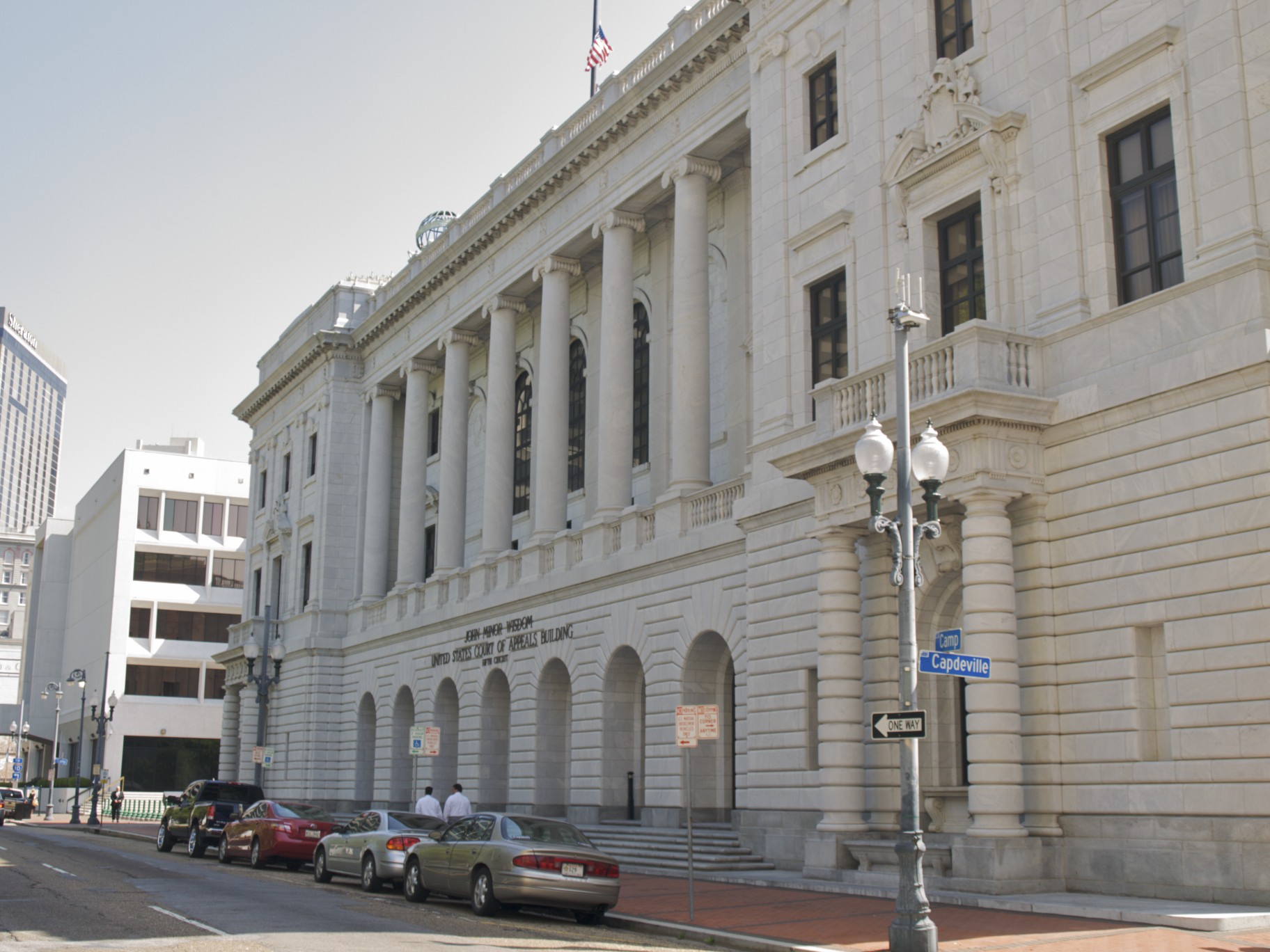
Meanwhile, last week the full US Court of Appeals for the Fifth Circuit ruled that the Pregnant Workers Fairness Act was unconstitutionally passed. In a 9–8 opinion, it held that the House of Representatives violated the Constitution when members voted by proxy on the fiscal 2023 spending package that included the law during the Covid-19 pandemic. While this opinion was cabined to the PWFA, a law which requires employers to provide accommodations to pregnant workers, the decision could invite new challenges to both the PWFA in other jurisdictions and other laws enacted under the Biden administration. Writing for the majority, Judge Cory Wilson, a Trump appointee, said the Constitution’s Quorum Clause requires lawmakers to be physically present to count toward a quorum, and that “proxy presence” does not qualify. The decision follows the election of a Democrat as Texas Attorney General, meaning Republicans will no longer control the office that brought the challenge starting in January.
Finally, the Equal Employment Opportunity Commission has replaced its long-standing equal employment guidance for federal agencies, ending the requirement that they report workforce data by race, national origin, and sex. The new Management Directive 716, effective as of Monday, supersedes a 2003 directive and also drops the mandate for agencies to analyze where barriers might shut out particular groups. EEOC Chair Andrea Lucas said the government should not rely on demographic targets or group outcomes to treat workers differently based on protected traits. The change fits her broader push to align the commission with the Trump administration’s view that diversity and equity programs can discriminate against White men. Kalpana Kotagal, the commission’s only Democrat, said she voted against the change and accused the majority of taking a “see no evil, hear no evil” approach.





Daily News & Commentary
Start your day with our roundup of the latest labor developments. See all
November 26
Opposition to a national rail merger grows; NLRB director rejects a challenge to the recognition bar at a Kroger store.
November 25
In today’s news and commentary, the DOL bars ESG investing in 401(k) plans, the Fifth Circuit rules the Pregnancy Workers Fairness Act was unconstitutionally passed, and the EEOC repeals workforce data requirements for federal agencies. On Tuesday, the Department of Labor published a proposed rule that would prohibit 401k plans from taking into account ‘environmental, […]
November 24
Labor Department finalizes a new independent contractor rule; Broadway wardrobe workers authorize a strike; President Trump's EEOC nominee lacks the Senate votes to advance.
November 23
New York City’s teachers’ union announces intent to sue the city’s main pension fund; Teamsters win nearly $100 million arbitration award against Union Pacific Railroad; security workers at two busy California ports reach tentative contract agreement.
November 22
Research from the Rutgers Workplace Justice Lab finds that states are failing to use their wage theft enforcement powers, and global union leaders call for governments to review contracts with Amazon and AWS.
November 19
Harvard academic workers end strike without contract; Reuters journalists authorize a strike; Spirit Airlines’ sale of employee data to Google for AI training approved.