
Lara Weinberg is a student at Harvard Law School.
In today’s news and commentary, the Eleventh Circuit overturns an ERISA exhaustion rule, DHS finalizes removal of automatic renewal for immigrants’ work permits, and AFGE challenges SSA over flexible scheduling policy.
On Tuesday the full US Court of Appeals for the Eleventh Circuit scrapped a long-standing rule that forced workers to work through their benefit plan’s internal appeals before suing over alleged fiduciary breaches under the Employee Retirement Income Security Act (ERISA), making it easier for employees in the region to take their cases to court. In a unanimous en banc decision, the court called the requirement a judge-made policy with no grounding in the statute’s text. Judge Adalberto Jordan, writing for the 12-judge court, noted that seven other federal appeals courts had already refused to adopt such a rule. While every circuit requires exhaustion when individual workers seek plan benefits, the Eleventh Circuit stood alone in extending that demand to statutory ERISA violations, including fiduciary claims that increasingly drive class actions. The Trump administration and a group of former labor regulators who served under Democratic presidents each urged the court to abandon the requirement. The case will now go back to the original three-judge panel for further proceedings.
Meanwhile, the Department of Homeland Security issued a final rule eliminating the automatic extension that kept immigrants legally employed while their work authorization renewals were under review. Yesterday’s measure cements an interim final rule the agency put out last year, which abandoned the 540-day extension period created under the Biden administration. DHS said ending the grace period will let it vet applicants more often. Critics point out that the Trump administration has layered additional obstacles onto a provision originally intended to protect immigrant employees from losing their jobs because of processing backlogs. According to Agency data, as of the end of June, more than 432,000 work permit renewal applications had been pending at US Citizenship and Immigration Services for at least six months. Of those, over 91,000 had been waiting longer than 18 months. The policy has already faced a legal challenge: Last month, a California judge blocked the interim rule as applied to a group of H-4 visa holders, finding that the agency skipped required procedures and did not account for the reliance interests of the affected workers. Challenges to the final rule will inevitably unfold following the rule’s publication in the Federal Register today.
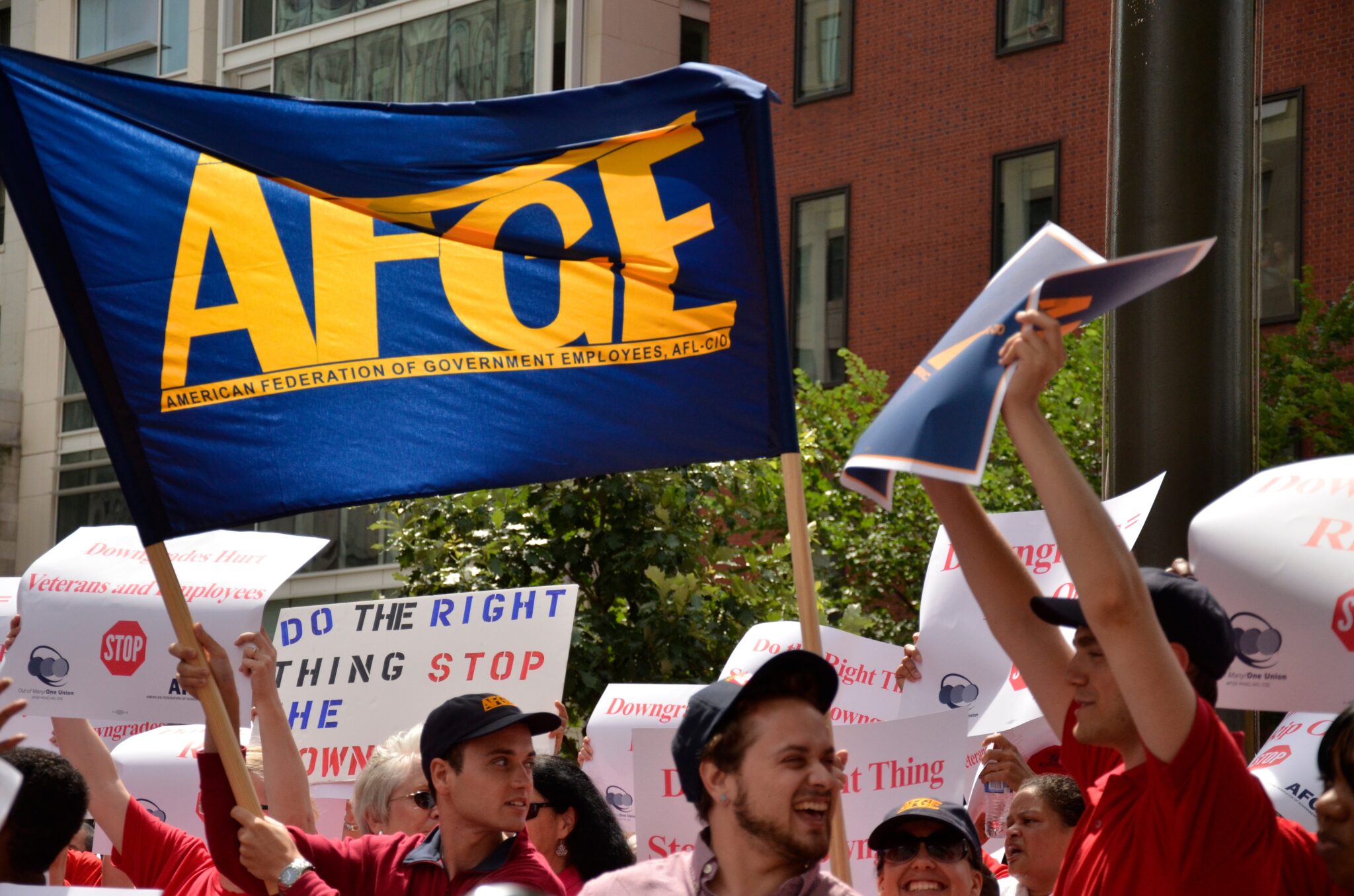
Finally, the American Federation of Government Employees is challenging a Social Security Administration decision to eliminate alternative work schedules, arguing the move violates the union’s ratified contract with the agency. According to the union, SSA announced the change in an October 5th email. Under the policy, employees who worked four 10-hour days or a 5/4/9 schedule (in which employees work nine-hour days over five days one week and four days the next) must switch to a standard five-day week starting mid-November. AFGE’s SSA General Committee, which represents more than 35,000 agency workers, filed the grievance October 6th. The committee said the change will hurt morale at an agency already facing staff shortages, and will fall hardest on employees who used the schedules to get medical care or care for family members.





Daily News & Commentary
Start your day with our roundup of the latest labor developments. See all
October 14
Eleventh Circuit overturns ERISA exhaustion rule; DHS finalizes removal of automatic renewal for work permits; AFGE challenges SSA over flexible scheduling policy.
October 13
Chicago hotel workers remain on strike; a coalition of Democratic states sues the Labor Department over canceled unemployment insurance grants; the Federal Labor Relations Authority establishes a new mediation framework for federal worker disputes.
October 12
Workers at the Obama Foundation begin organizing; MLB submits its latest collective bargaining agreement proposal; Brigham & Women's nurses postpone strike.
October 11
UAW President Shawn Fain succeeds in his reelection bid, and Spanish unions call for a general strike.
October 9
DHS proposes a $100k fee for the foreign grad employment program; Trump suspends tech company access to green card program; and private equity perpetuates poor working conditions for home care workers.
October 8
NLRB judge finds UPS unlawfully restricted union insignia; Harvard graduate workers authorize second strike; OSHA orders Union Pacific to pay $300,000 in damages in whistleblower case.