James Blanchfield is a student at Harvard Law School.
In today’s News and Commentary, the Supreme Court ends removal protections for the NLRB and other agencies, and staff at a New York City cocktail bar vote to unionize.
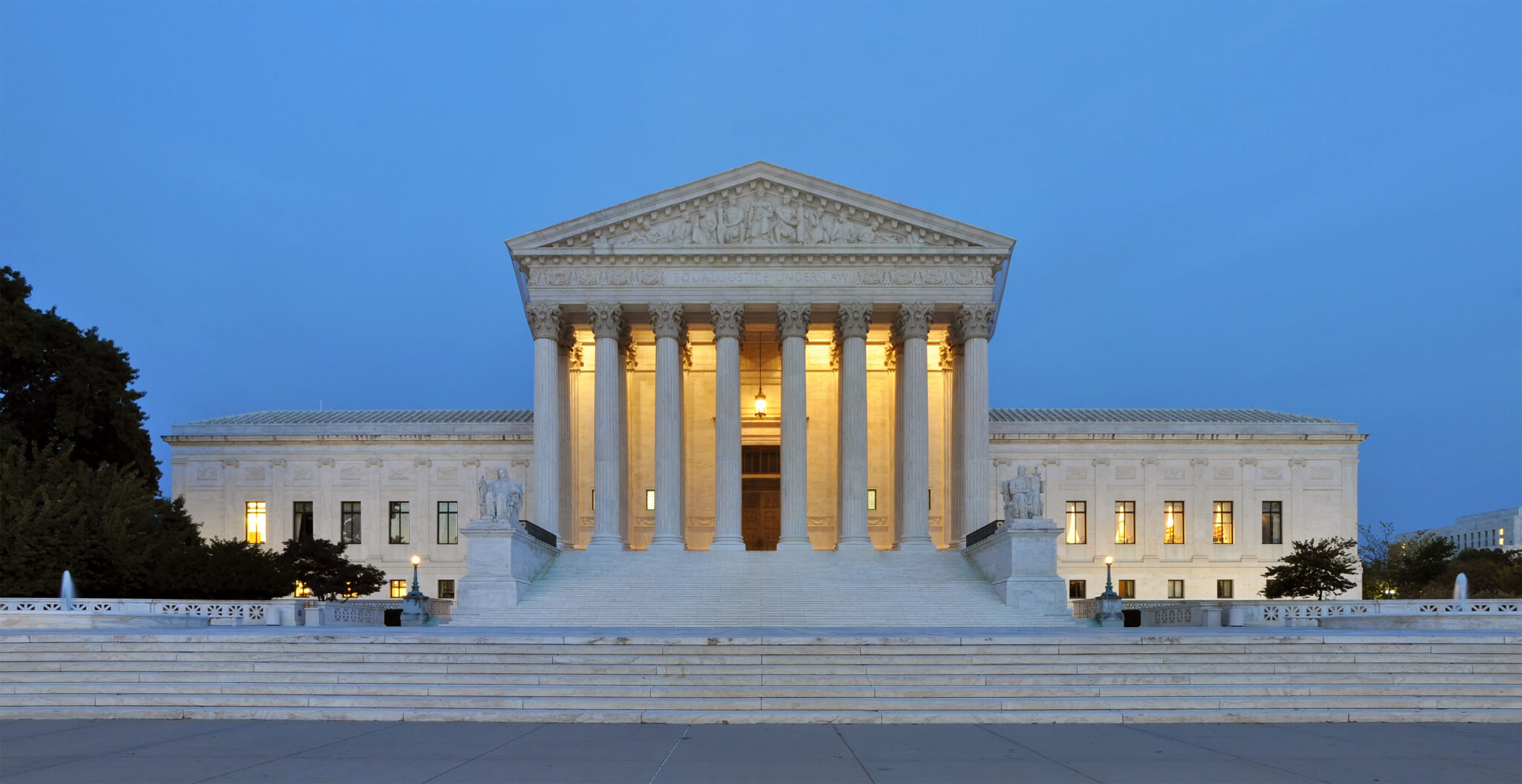
In a landmark decision, the Supreme Court ruled on Monday that President Trump has the power to fire a Democratic member of the Federal Trade Commission (FTC) despite existing removal protections. Trump v. Slaughter overturns 91 years of precedent which had long insulated agency members from being fired at-will by the President. The removal protections were designed to grant agency members a degree of independence, ensuring they could operate without fear of being replaced solely due to the whims of the President. Chief Justice John Roberts, writing for the 6-3 majority, held that these limitations on the President’s firing power are unconstitutional. While the case concerned the FTC, the logic of the case would extend to essentially all independent agencies, including the National Labor Relations Board (NLRB) and Equal Employment Opportunity Commission (EEOC). The result will likely be rapid shifts in agency leadership with each new administration, as the President now has the complete power to replace the NLRB and EEOC membership to suit his political goals. Emily Dickens, the chief administrative officer at the Society for Human Resource Management, stated that these wholesale political changes to agency membership create greater uncertainty for both employers and workers as the membership of these agencies can impact how workplace laws are interpreted and what issues will actually be enforced. In theory, any agency member who opposes the President’s agenda can be replaced immediately by someone who will comply. While some commentators anticipate that this change will not be as drastic as expected, President Trump did little to quell the fears when he posted on social media that this ruling was “the Greatest Increase in Presidential Power in the last 100 years.”
In New York City, employees at popular cocktail bar Attaboy recently voted to unionize, turning heads and changing impressions of what unionized labor looks like. While many people picture a union with hundreds of members and connected to huge businesses, Attaboy Local 134 is composed of just over 20 employees. Organizers began the union drive in April and sought voluntary recognition by the bar’s ownership. The owners ultimately declined to recognize the union, leading to a 13-to-8 vote in favor of the union in May which sealed victory for the organizers. The union’s success is largely unheard of for individual bars and restaurants. Zachary Gelnaw-Rubin, a member of Attaboy Local 134’s organizing committee, says that the Attaboy staff took valuable lessons from Death&Co, another New York cocktail bar whose staff attempted to organize in 2023 but ultimately lost the vote. Gelnaw-Rubin was also quick to dispel the notion that employees at a cocktail bar are not committed to the business as a career, saying, “We don’t want different jobs, we want to work at Attaboy because we love the bar, and we feel invested in its legacy.” Meanwhile, Sam Ross, one of the co-owners of the bar, expressed surprise at the initial union drive, believing the employees were generally well supported and satisfied. Ross acknowledged that Attaboy will be closely watched by other small businesses as a potential model and hopes that it can be a model for success. For Gelnaw-Rubin, Attaboy Local 134 is just the first step toward a stronger labor movement in these types of businesses. “The labor movement is ever present,” he said. “Yes, it will continue, and I hope more bars and restaurants get in on it.”





Daily News & Commentary
Start your day with our roundup of the latest labor developments. See all
October 13
Chicago hotel workers remain on strike; a coalition of Democratic states sues the Labor Department over canceled unemployment insurance grants; the Federal Labor Relations Authority establishes a new mediation framework for federal worker disputes.
October 12
Workers at the Obama Foundation begin organizing; MLB submits its latest collective bargaining agreement proposal; Brigham & Women's nurses postpone strike.
October 11
UAW President Shawn Fain succeeds in his reelection bid, and Spanish unions call for a general strike.
October 9
DHS proposes a $100k fee for the foreign grad employment program; Trump suspends tech company access to green card program; and private equity perpetuates poor working conditions for home care workers.
October 8
NLRB judge finds UPS unlawfully restricted union insignia; Harvard graduate workers authorize second strike; OSHA orders Union Pacific to pay $300,000 in damages in whistleblower case.
October 7
DOL scraps plan to remove decades-old wage-and-hour guidance from federal regulations; New York enacts personnel records access law; Starbucks loses bid to dismiss Workers United trademark suit.