
Ryan Zhang is a student at Harvard Law School and a member of the Labor and Employment Lab.
In today’s News and Commentary, the Department of Labor withdraws opinion letters underlying the “80/20 rule” for tipped employees, Instacart settles federal claims that it discriminated against U.S.-born job applicants, and Phillips 66 locks out nearly 400 union refinery workers.
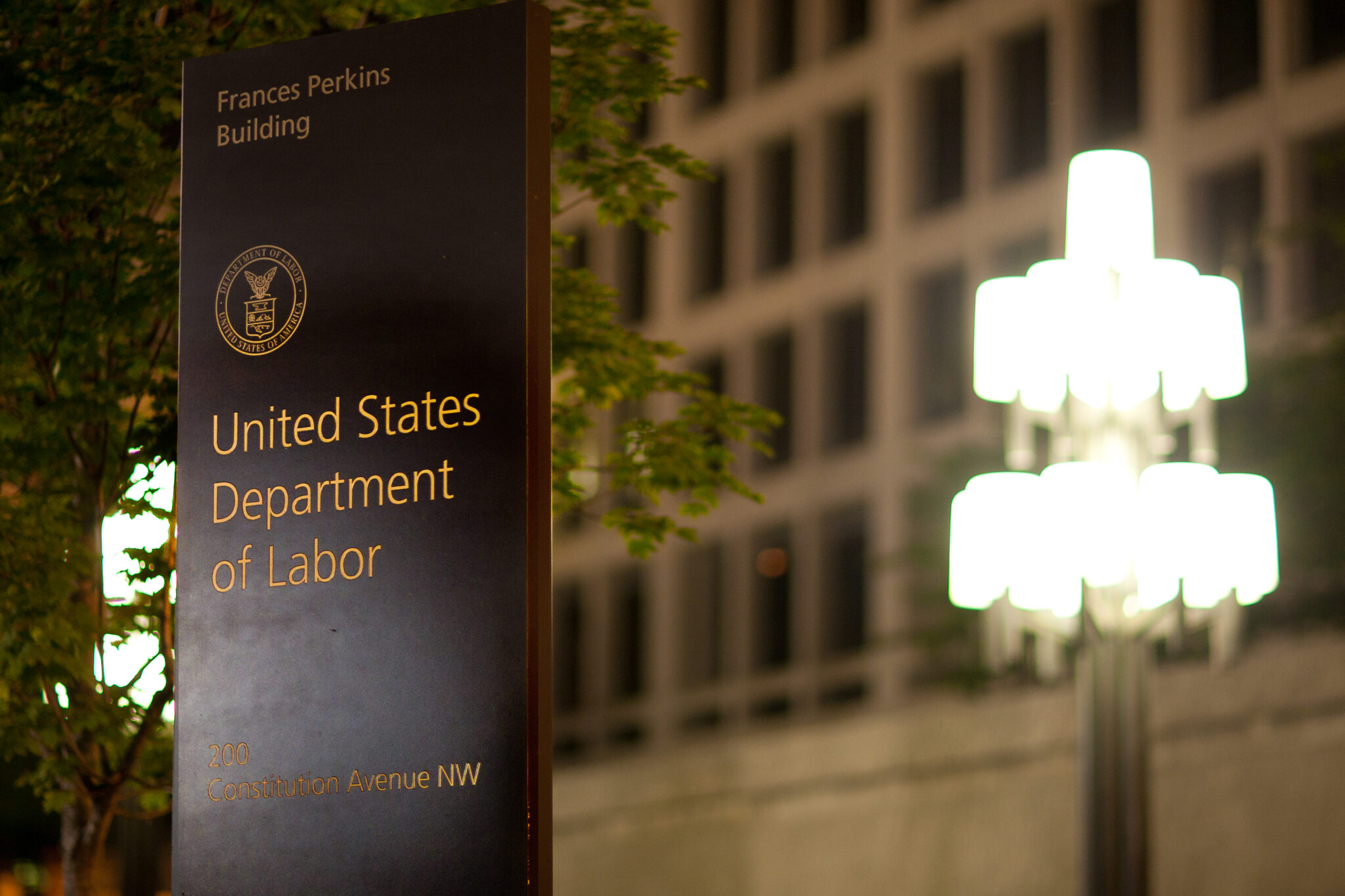
The Department of Labor has formally withdrawn the guidance underlying the “80/20 rule” for tipped employees. Under the former rule, employers generally had to pay the full federal minimum wage for non-tip-producing work when related duties, such as cleaning tables or stocking workstations, exceeded 20% of an employee’s working time. Without that limit, employers may pay the federal tipped wage of $2.13 per hour for those duties and use the employee’s tips to satisfy the remainder of the $7.25 minimum wage. Tipped workers who spend substantial time on side work may therefore receive less in direct wages from their employers than they would have under the former rule, although their combined wages and tips must still reach the federal minimum. Stricter state and local wage laws remain in effect.
Instacart will pay $5 million to resolve allegations that its recruitment practices favored temporary-visa holders over U.S.-born applicants. The claims arose from the permanent labor certification (PERM) program, under which an employer seeking to sponsor a foreign worker for permanent residence generally must first show that no qualified U.S. worker is available for the position. The Justice Department and E.E.O.C. alleged that Instacart made those jobs harder for U.S. workers to pursue by requiring paper applications by mail, even though it ordinarily accepted applications electronically. Instacart will place up to $4 million in a fund for people who applied or were deterred from applying between December 2023 and February 2026 and pay $1 million in civil penalties. It must also advertise PERM positions on its public careers website, accept electronic applications, and submit to monitoring.
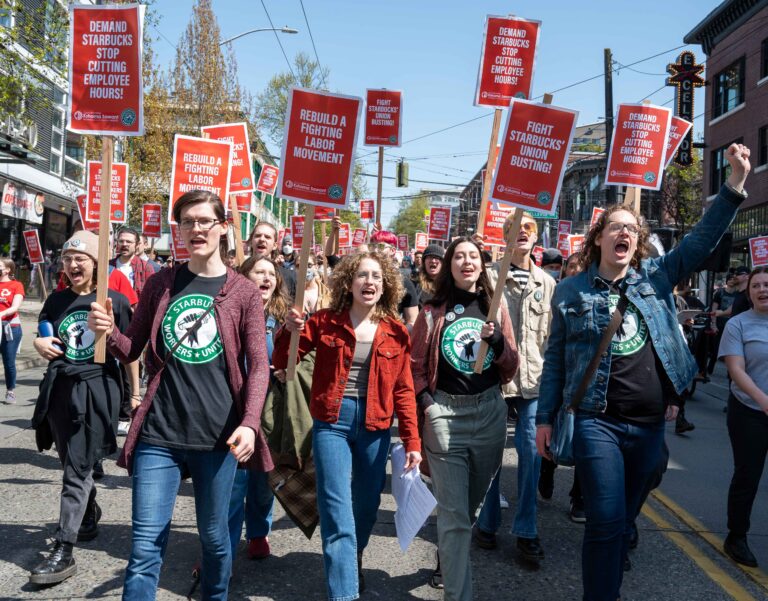
Phillips 66, one of the country’s largest energy companies, has locked out 385 employees at its Bayway Refinery and Linden Terminal in New Jersey. The lockout began October 19 after a temporary contract extension expired and members of Teamsters Local 877 rejected the company’s latest proposal. Workers had previously voted by a 92% margin to authorize a strike, seeking higher wages, stronger benefits, reliable paid leave, and changes to the company’s attendance and probation policies. Phillips 66, which refines and markets petroleum products, said replacement personnel would maintain operations during the lockout. Union representatives raised concerns about staffing and safety and established picket lines outside the refinery as negotiations remained unresolved.



Daily News & Commentary
Start your day with our roundup of the latest labor developments. See all
October 21
DOL withdraws tipped-worker rule; Instacart settles hiring-bias claims; Phillips 66 locks out New Jersey refinery workers.
October 20
Korean unions oppose labor exemption bill; Portland city workers prepare for strike; UPenn grad student union looks to dismiss university filing
October 19
FDA reverses course on policy prohibiting off-duty union activity; FAA and NATCA reach deal to secure pay increase for air traffic controllers.
October 18
Federal judge again halts cancellation of the Bureau of Prisons’ CBA; tabletop gaming workers face roadblocks in union recognition.
October 16
Department of Labor reduces wage-and-hour enforcement at unionized workplaces; Fain's victory poses question of federal monitor's extension.
October 15
New reporting examines the rollback of child labor protections; California tries to block a strike; NLRB charges Wisconsin mental health provider with firing workers during union drive.