
Melinda Meng is a student at Harvard Law School.
In today’s News and Commentary, the FDA reverses course on an internal policy prohibiting federal employees from engaging in union activity during off-duty hours and the FAA and NATCA reach a pay increase deal.
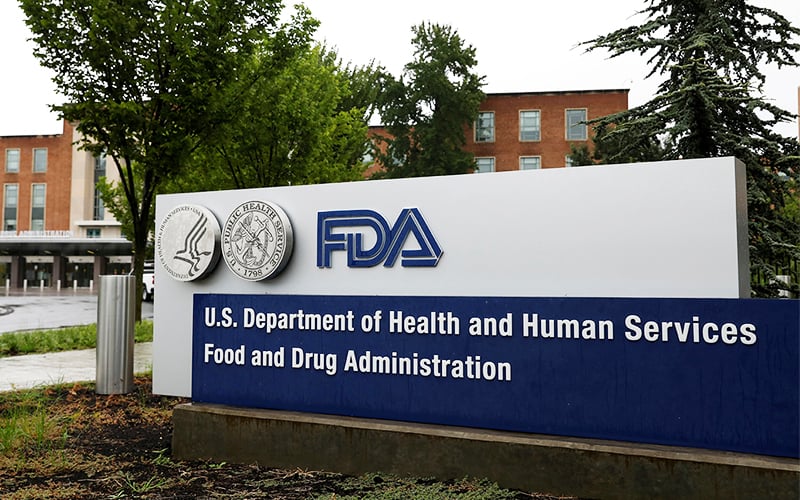
On Thursday, officials at the FDA reversed course on internal guidance that led employees to believe they could be fired for union activity pursued during non-work time. The internal measures were communicated by email on August 28 and stated that FDA employees “conducting labor-related activities in any capacity . . . whether during duty hours or non-duty hours” would be subject to disciplinary action, including removal from federal service. The National Treasury Employees Union (NTEU) and the American Federation of Government Employees (AFGE) issued a letter requesting that the FDA rescind or clarify the directive, as it was presented as an unlawful prohibition of off-duty union activity and a viewpoint-based restriction on employees’ use of government systems. FDA Chief Counsel Sean Keveney clarified in a letter that since the FDA is no longer subject to collective bargaining requirements following Executive Order 14251, employees “are not permitted to engage in labor-related activities during duty time or while using FDA networks or devices.” However, Keveney clarified that the policy did “not affect employees’ rights to engage in such activities outside of duty hours and on personal time and resources.”
On Friday, the Department of Transportation announced that the Federal Aviation Administration and the National Air Traffic Controllers Association have reached a deal on workforce changes, securing a much-anticipated 2.8 percent pay increase for air traffic controllers. The pay increase was approved by Congress in April, but the FAA was withholding the increase until the union agreed to implement workforce changes meant to increase efficiency. Congress put the decision to disburse the approved raise once scheduling and staffing improvements were reached in the sole discretion of the FAA administrator, but in September two Democrats urged the FAA issue the raise, stating that the condition in the legislation were not meant to set a high bar. Under the new agreement, controllers will badge in and badge out of facilities to improve timecard tracking, and local managers and union representatives will schedule shifts based on expected operational requirements. The pay increase took effect on October 18 and will be backdates to the beginning of the year.


Daily News & Commentary
Start your day with our roundup of the latest labor developments. See all
October 19
FDA reverses course on policy prohibiting off-duty union activity; FAA and NATCA reach deal to secure pay increase for air traffic controllers.
October 18
Federal judge again halts cancellation of the Bureau of Prisons’ CBA; tabletop gaming workers face roadblocks in union recognition.
October 16
Department of Labor reduces wage-and-hour enforcement at unionized workplaces; Fain's victory poses question of federal monitor's extension.
October 15
New reporting examines the rollback of child labor protections; California tries to block a strike; NLRB charges Wisconsin mental health provider with firing workers during union drive.
October 14
Eleventh Circuit overturns ERISA exhaustion rule; DHS finalizes removal of automatic renewal for work permits; AFGE challenges SSA over flexible scheduling policy.
October 13
Chicago hotel workers remain on strike; a coalition of Democratic states sues the Labor Department over canceled unemployment insurance grants; the Federal Labor Relations Authority establishes a new mediation framework for federal worker disputes.