
Jon Levitan is a student at Harvard Law School and a member of the Labor and Employment Lab.
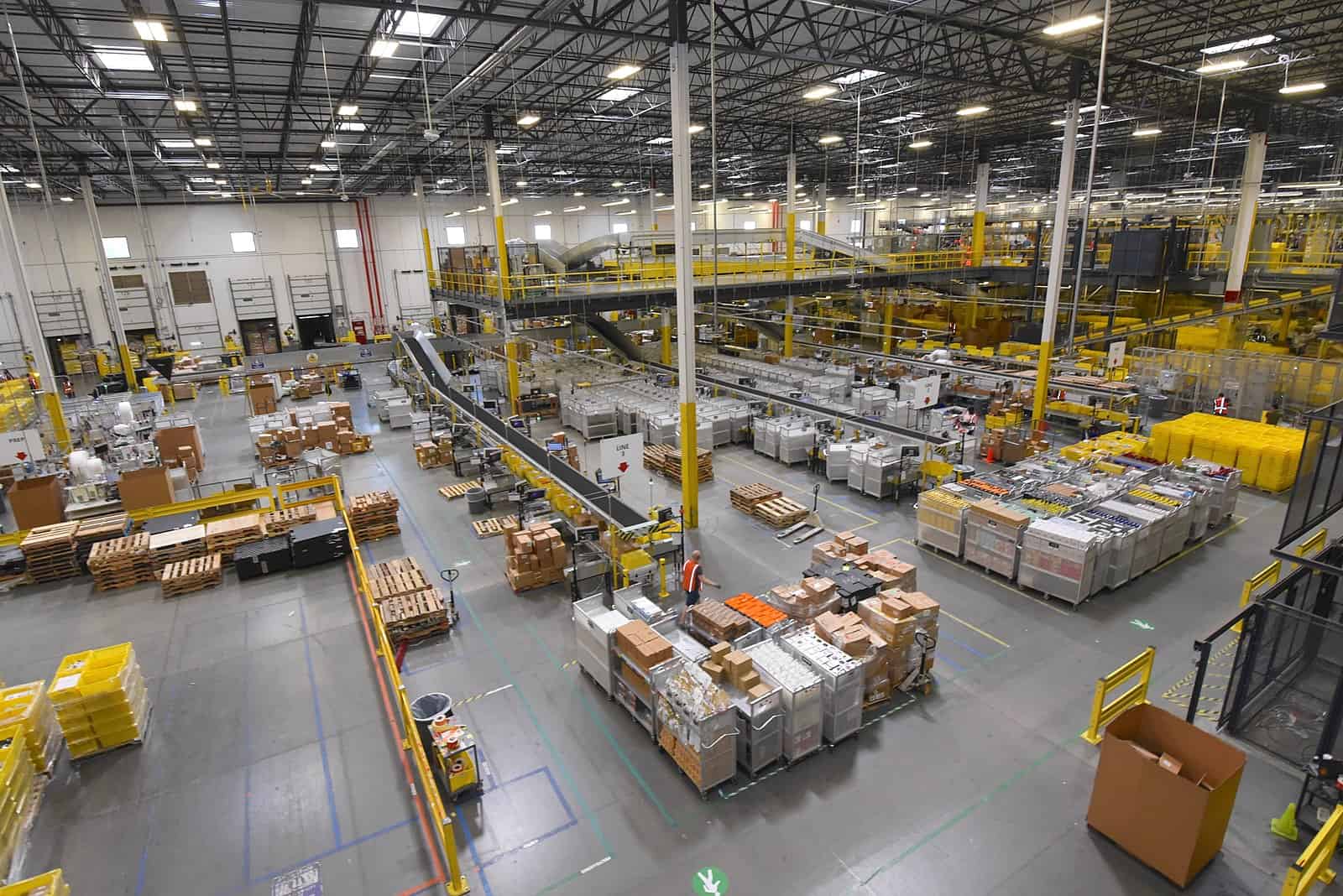
The mailbox outside the Amazon warehouse in Bessemer, Alabama – which has become the fulcrum of the Retail, Wholesale, and Department Store Union’s (RWDSU) NLRB challenge to its election loss at the warehouse – was a top priority for the Amazon executive in charge of warehouses. NLRB hearings began last week after the RWDSU filed numerous objections alleging Amazon broke labor law during the election. If the RWDSU proves its case to the NLRB the board could either order a new election or, and this is highly unlikely, order Amazon to bargain with the RWDSU. Emails displayed during the NLRB hearing yesterday showed a senior manager at Amazon writing to United States Postal Service (USPS) officials asking for an update on the placement of the mailbox, adding “this is a highly visible Dave Clark initiative.” Clark, the head of Amazon’s retail and logistics department, is a member of Jeff Bezos’s inner circle. In another email, a different Amazon executive, Adam Baker, “escalated” the mailbox request to the senior USPS management.
It was not the only suspicious detail to emerge about the mailbox yesterday: a USPS official also testified that the agency removed a divider normally placed between the outgoing mail slot and the slot where parcels were collected by a USPS customer. In other words, a customer collecting their parcels could also access outgoing mail. This comes a week after Kevin Jackson, a worker at the Bessemer warehouse, testified that he saw the mailbox unlocked by two Amazon security guards. Elsewhere, the tech behemoth is stepping up its campaign against a union in Staten Island at the same warehouse where it fired Chris Smalls for organizing workers as the pandemic hit. Amazon is sending warnings to warehouse workers cautioning them to avoid Amazon Labor Union representatives near the entryways of the warehouse.
New York’s gig workers may soon have sectoral bargaining rights, but they may pay a major price for those rights – the permanent codification of their misclassification as independent contractors. The gig giants, led by Uber and Lyft, are nearing an agreement with labor groups including the Transport Workers Union (TWU) that is likely to pass the New York Legislature this year. While the text of the legislation has not been made public, the deal would give gig workers the right to unionize and select a union to engage in sectoral bargaining with the companies to set working conditions across the industry. But the bill likely would maintain gig workers’ status as independent contractors, meaning they would not be guaranteed minimum wage for all time working, overtime, or a host of other protections (the bill does seem to include a right to workers’ compensation and unemployment insurance, two benefits typically withheld from independent contractors).
TWU President John Samuelson lauded the proposal, saying it could become a national model that would add tens of thousands of workers to the labor movement in New York. But some workers’ rights advocates are skeptical. Brian Chen, an attorney with the National Employment Law Project, said the fact that the deal was brokered by the companies behind Prop 22, “suggests that this isn’t really about allowing workers to build power together. It’s about employers bargaining down labor standards and undermining workers’ rights.” On twitter, Professor Veena Dubal warned that the bill could be “a terrible capitulation” by the labor movement.





Daily News & Commentary
Start your day with our roundup of the latest labor developments. See all
October 20
Korean unions oppose labor exemption bill; Portland city workers prepare for strike; UPenn grad student union looks to dismiss university filing
October 19
FDA reverses course on policy prohibiting off-duty union activity; FAA and NATCA reach deal to secure pay increase for air traffic controllers.
October 18
Federal judge again halts cancellation of the Bureau of Prisons’ CBA; tabletop gaming workers face roadblocks in union recognition.
October 16
Department of Labor reduces wage-and-hour enforcement at unionized workplaces; Fain's victory poses question of federal monitor's extension.
October 15
New reporting examines the rollback of child labor protections; California tries to block a strike; NLRB charges Wisconsin mental health provider with firing workers during union drive.
October 14
Eleventh Circuit overturns ERISA exhaustion rule; DHS finalizes removal of automatic renewal for work permits; AFGE challenges SSA over flexible scheduling policy.