
Alisha Jarwala is a student at Harvard Law School and a member of the Labor and Employment Lab.
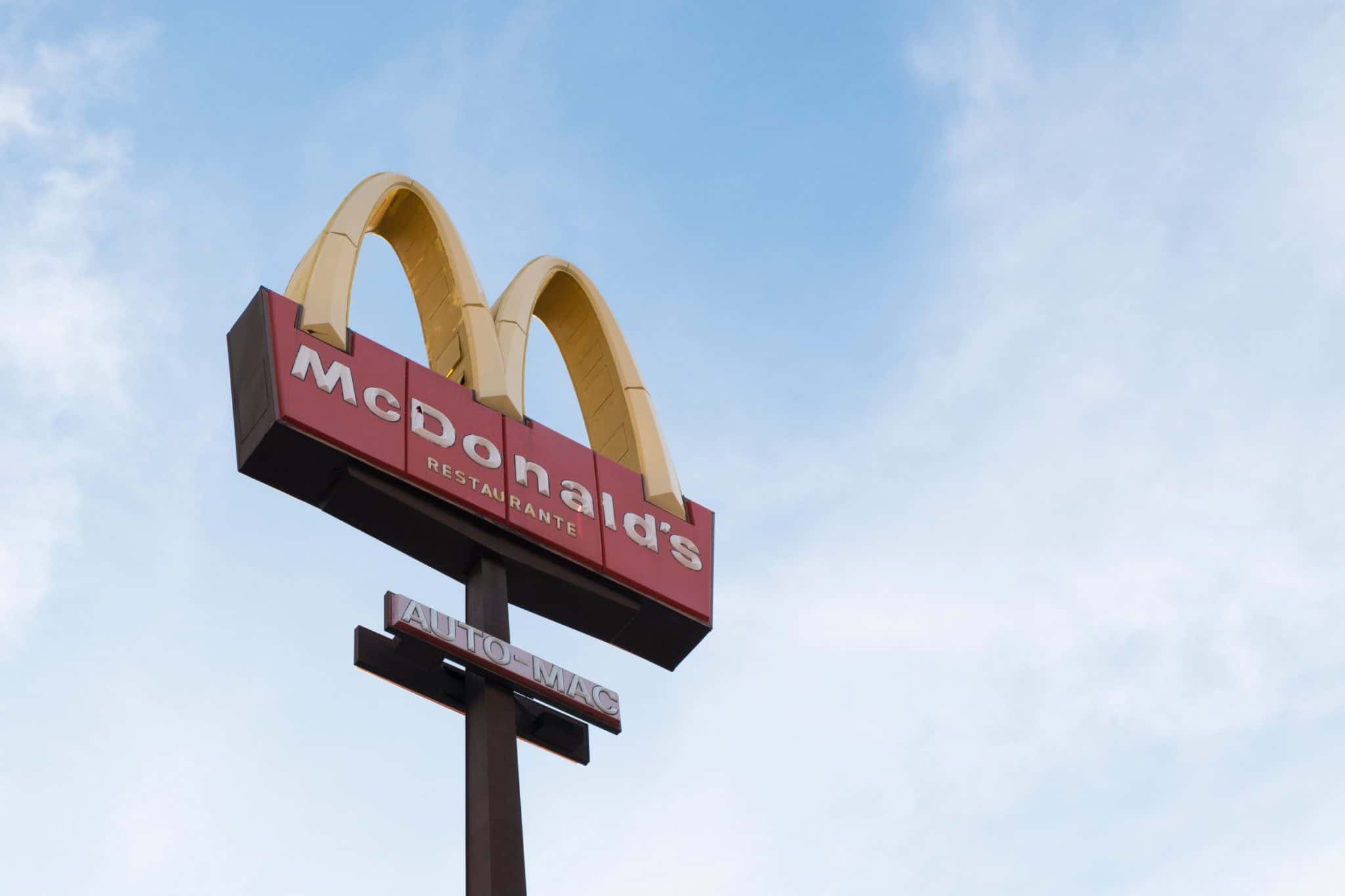
A former McDonald’s employee is suing the company for its pervasive culture of sexual harassment. Plaintiff Jenna Ries alleges that she was frequently harassed by her manager while working at a McDonald’s in Mason, Michigan between 2017 and 2019. Ries told reporters that she also witnessed her coworkers, some of who were underage, being harrassed, and that a general manager knew about the situation but did nothing to stop it. Ries is represented by the ACLU and the Time’s Up Legal Defense Fund. The lawsuit comes approximately one week after McDonald’s CEO Mike Easterbrook was fired for his relationship with an employee, and is part of a broader push to draw attention to sexual harassment at the company. The New York Times notes that last fall, McDonald’s workers went on strike in 10 cities to draw attention to sexual harassment, and in May, the ACLU, the Times Up Legal Defense Fund, and Fight for $15 filed nearly two dozen harassment complaints against McDonalds, primarily with the EEOC. Ries’ complaint emphasizes that “McDonald’s creates and permits a toxic work culture from the very top.”
The National Employment Law Project (NELP) announced that Rebecca Dixon will be its next executive director. Dixon is currently NELP’s chief of programs and oversees all of its substantive areas. She has also previously served as a policy analyst, staff attorney, and deputy program director for NELP, and was a leader in winning expansions of unemployment insurance and benefits in 20 states. Prior to joining NELP in 2010, Dixon worked as a senior policy analyst at the Mississippi Economic Policy Center, where she worked on economic justice issues. “Rebecca is a proven visionary leader with the expertise to leverage all that NELP brings to our movement, while paving the way to implement innovative and bold ideas,” said NELP board chair Jared Bernstein.
Bloomberg reports that NLRB ruled that Amnesty International did not violate federal labor law by opposing employee advocacy to pay its interns. This decision reverses an administrative law judge’s decision from last March, which held that the human rights nonprofit had unlawfully threatened employees who signed a petition seeking pay for interns. The NLRB held that employee advocacy on behalf of interns is not protected by the NLRA because unpaid interns are not “employees” under the Act. Bloomberg notes that the decision “could have broad impacts in the nonprofit sector, which relies heavily on unpaid interns.”
A new study on paid family leave found that women in California who took parental leave when it was first offered in 2004 ended up working and earning less a decade later, averaging $24,000 in cumulative lost wages. “I could feel the air going out of the room when we presented this,” said Martha J. Bailey, one of the paper’s co-authors, to the New York Times. Researchers noted that if the goal of paid family leave is to keep women working, other things seem necessary beyond leave, including subsidized child care. The authors also theorize that something about taking paid leave encourages women to scale back at work and spend more time with their children.
Finally, in an interview with Axios, Uber CEO Dara Khosrowshahi stated that he would not support the unionization of Uber drivers because a union “becomes another power center” and would “make[] things very difficult for the company.” California Assemblywoman Lorena Gonzalez pointed out on Twitter that this position contradicts statements made by Uber’s chief legal officer, Tony West, who had discussed the possibility of a union. (Khosrowshahi is having quite a week for statements—the New York Times reported that he issued an apology on Monday for comparing the murder of journalist Jamal Khashoggi to the accidental death of a woman hit by a self-driving car).
Daily News & Commentary
Start your day with our roundup of the latest labor developments. See all
October 22
SCOTUS declines Wilcox appeal; Penn State research assistants win bargaining rights; SEIU sued over military leave firing.
October 21
DOL withdraws tipped-worker rule; Instacart settles hiring-bias claims; Phillips 66 locks out New Jersey refinery workers.
October 20
Korean unions oppose labor exemption bill; Portland city workers prepare for strike; UPenn grad student union looks to dismiss university filing
October 19
FDA reverses course on policy prohibiting off-duty union activity; FAA and NATCA reach deal to secure pay increase for air traffic controllers.
October 18
Federal judge again halts cancellation of the Bureau of Prisons’ CBA; tabletop gaming workers face roadblocks in union recognition.
October 16
Department of Labor reduces wage-and-hour enforcement at unionized workplaces; Fain's victory poses question of federal monitor's extension.