
Alisha Jarwala is a student at Harvard Law School and a member of the Labor and Employment Lab.
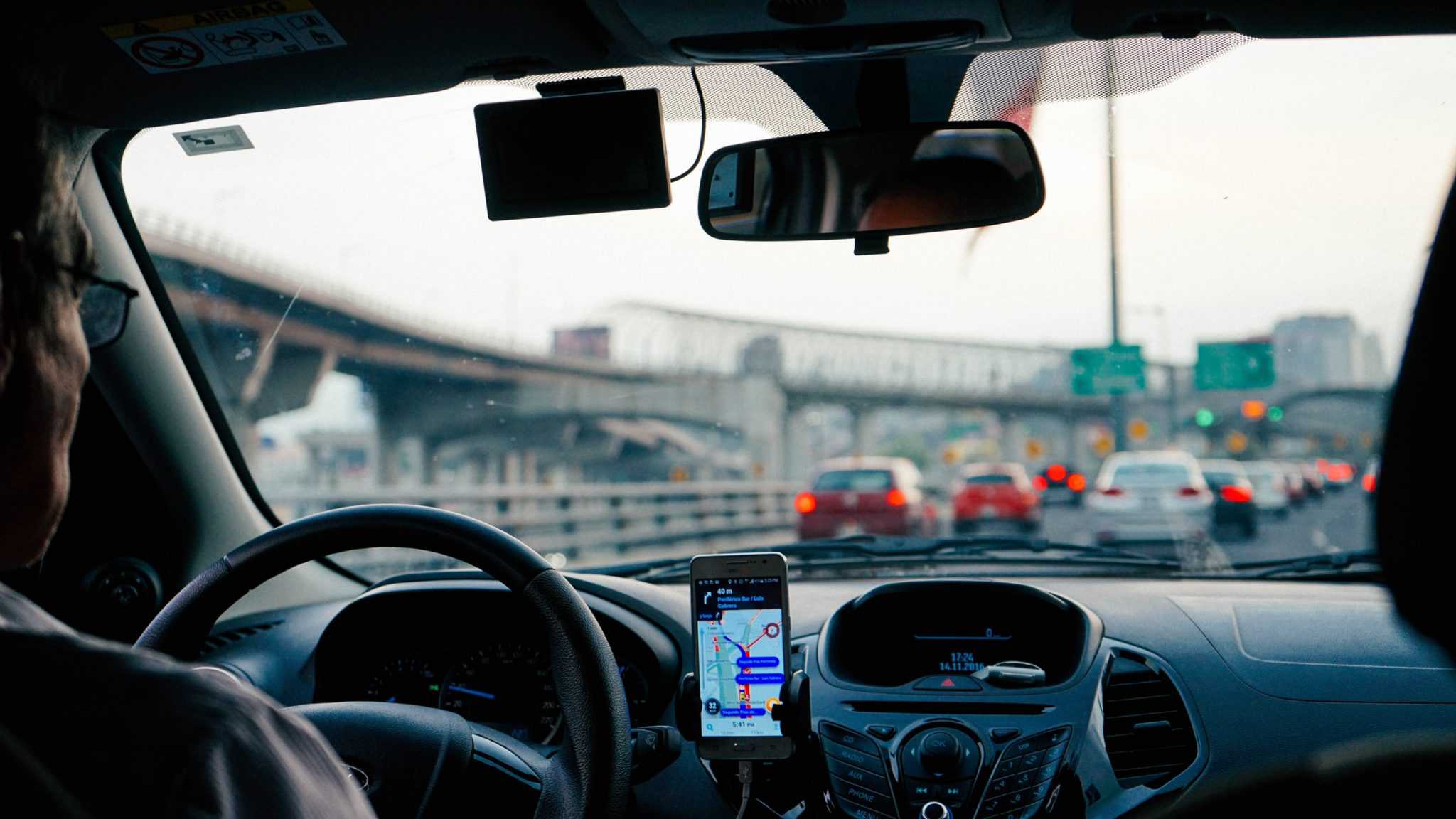
On March 3, the Third Circuit vacated and remanded a district court ruling that UberBlack drivers are independent contractors and not employees. The unanimous opinion points to disputed factual issues that are key to determining worker classification and highlights areas where a reasonable juror could side with drivers. This is the first court of appeals decision to address the classification of gig workers. If the case doesn’t settle on remand, Uber could be going to trial.
Background
In Razak v. Uber Technologies, Plaintiffs are a potential class of UberBlack drivers, who allege that Uber has violated minimum wage and overtime requirements under state and federal laws, including the Fair Labor Standards Act (FLSA). However, these laws only apply to employees, and Uber argues that the Plaintiffs are independent contractors, or “entrepreneurs who utilize Uber as a software platform to acquire trip requests.”
At the District Court, Uber initially tried to dismiss the case and require Plaintiffs to arbitrate their claims instead. The District Court denied Uber’s motion, finding that Plaintiffs had successfully complied with arbitration opt-out procedures in their contracts with Uber. Uber then filed a motion for summary judgment, arguing that the case should be thrown out because Plaintiffs could not successfully prove that they were employees as a matter of law. The District Court agreed and granted Uber’s motion. Plaintiffs appealed to the Third Circuit.
The DialAmerica Test
To determine whether a worker is an independent contractor or an employee under the FLSA, the Third Circuit uses a six-factor test from Donovan v. DialAmerica Marketing, Inc.:
1) the degree of the alleged employer’s right to control the manner in which the work is to be performed; 2) the alleged employee’s opportunity for profit or loss depending upon his managerial skill; 3) the alleged employee’s investment in equipment or materials required for his task, or his employment of helpers; 4) whether the service rendered required a special skill; 5) the degree of permanence of the working relationship; [and] 6) whether the service rendered is an integral part of the alleged employer’s business.
The District Court found that only two factors supported Plaintiffs’ claim that they should be considered employees: (4) special skills and (6) integral part of employer’s business. By contrast, the Third Circuit emphasizes that factual issues that determine the outcome of the test still need resolution and might favor employee status. In particular, they highlight disputes over the “right to control” factor and the “opportunity for profit or loss” factor.
Right to Control
While this factor is not dispositive, the Third Circuit notes that the extent to which an employer controls a worker is “highly relevant to the FLSA analysis.” The District Court held that Uber did not control Plaintiffs, pointing to Plaintiffs’ flexible hours, alleged ability to work for competitors and contracts signed with Uber acknowledging contractor status. Plaintiffs argue that in reality, the Uber App prevents them from accepting rides from competitors and strictly regulates their hours. The Third Circuit was not persuaded that there are no genuine factual disputes remaining over whether or not Uber has control over drivers.
Opportunity for Profit or Loss Depending on Managerial Skill
In its analysis of the second factor, the Third Circuit also points to areas of genuine dispute that the District Court overlooked. While the District Court concluded that this favor factored Uber because drivers can “be strategic” in how to use the Uber App to generate profit, the Third Circuit notes that Uber controls driver territory, trip fare, and cancellation fees. On this factor, the Third Circuit concludes: “We believe that a reasonable fact-finder could rule in favor of Plaintiffs.”
Implications
The rise of mandatory arbitration post-Epic Systems means we haven’t seen trials on the classification of Uber drivers and other gig workers under the FLSA. The majority of these claims go to arbitration and disappear from the public eye. Razak could be the first opportunity to make the case that that drivers are employees at trial. And even if the case settles, it may be hard for Uber to avoid trials on worker misclassification issues in the future.





Daily News & Commentary
Start your day with our roundup of the latest labor developments. See all
October 12
Workers at the Obama Foundation begin organizing; MLB submits its latest collective bargaining agreement proposal; Brigham & Women's nurses postpone strike.
October 11
UAW President Shawn Fain succeeds in his reelection bid, and Spanish unions call for a general strike.
October 9
DHS proposes a $100k fee for the foreign grad employment program; Trump suspends tech company access to green card program; and private equity perpetuates poor working conditions for home care workers.
October 8
NLRB judge finds UPS unlawfully restricted union insignia; Harvard graduate workers authorize second strike; OSHA orders Union Pacific to pay $300,000 in damages in whistleblower case.
October 7
DOL scraps plan to remove decades-old wage-and-hour guidance from federal regulations; New York enacts personnel records access law; Starbucks loses bid to dismiss Workers United trademark suit.
October 6
Protect College Sports Act dampens athlete unionization outlook; Stanford RA union decides to withdraw petition