
Anjali Katta is a student at Harvard Law School.
In today’s news and commentary, Apple wins at the Fifth Circuit against the NLRB, Florida enacts a noncompete-friendly law, and complications with the No Tax on Tips in the Big Beautiful Bill.
Apple won an appeal overturning a National Labor Relations Board (NLRB) decision that the company violated labor law by coercively questioning an employee and removing union flyers from a break room. The Fifth Circuit found insufficient evidence to support the NLRB’s claims regarding Apple’s conduct at its Manhattan World Trade Center store. The Court ruled the questioning wasn’t coercive, and Apple fairly enforced its policy of non-solicitation and removal of all unattended written materials, not just union flyers. The case arose from an effort by the Communications Workers of America to organize the Apple store, which ultimately failed to lead to a representation election. The Court did not address Apple’s First Amendment argument, which would have made it more difficult for the Board to police employers’ coercive questioning of employees.
Florida businesses can now more easily enforce noncompete agreements for up to four years under a new law that took effect on July 1st. The legislation, known as the Contract Honoring Opportunity, Investment, Confidentiality, and Economic Growth (CHOICE) Act, became law without Governor Ron DeSantis’s signature. The law requires that courts grant injunctions to enforce noncompete or ‘garden leave’ clauses if contracts meet specific conditions—marking a shift from the prior standard of case-by-case adjudication. Employees covered by the law must earn at least double the local annual mean wage at the job where they signed the noncompete. Employers, like investment firm Citadel which backed the law, are celebrating the new measure. The law stands in contrast to national trends limiting noncompetes, especially for lower- to middle-income workers and the Biden administration’s FTC attempt at a nationwide ban last year.
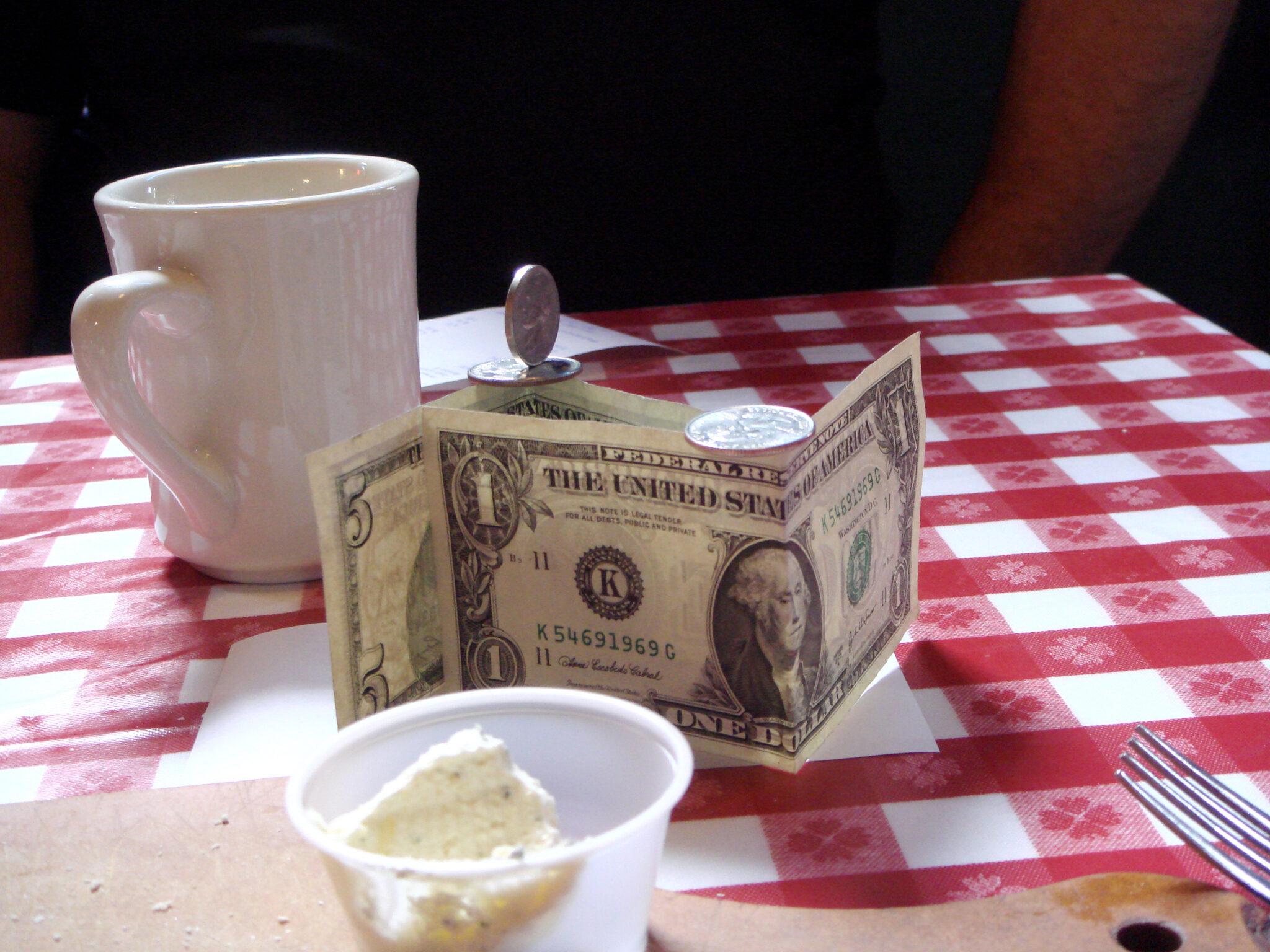
With the passage of the ‘Big Beautiful Bill’ the Trump Administration delivers one of their key campaign promises—a tax break on tips. However, confusion surrounds its implementation. The new law allows a deduction of up to $25,000 for cash tips in ‘tipped occupations,’ but the text does not define these jobs individually. Moreover, it’s unclear whether digital tips via apps like Venmo or PayPal qualify. The agency charged with providing guidance and clarity and preparing for enforcement, the IRS, is already facing major layoffs and funding cuts, limiting its capacity to implement the tax break. Indeed, without clear IRS direction, many filers and businesses are left guessing for next tax season. Critics warn the law may disproportionately benefit higher earners and incentivize employers to shift more compensation to tips and gratuities.





Daily News & Commentary
Start your day with our roundup of the latest labor developments. See all
October 12
Workers at the Obama Foundation begin organizing; MLB submits its latest collective bargaining agreement proposal; Brigham & Women's nurses postpone strike.
October 11
UAW President Shawn Fain succeeds in his reelection bid, and Spanish unions call for a general strike.
October 9
DHS proposes a $100k fee for the foreign grad employment program; Trump suspends tech company access to green card program; and private equity perpetuates poor working conditions for home care workers.
October 8
NLRB judge finds UPS unlawfully restricted union insignia; Harvard graduate workers authorize second strike; OSHA orders Union Pacific to pay $300,000 in damages in whistleblower case.
October 7
DOL scraps plan to remove decades-old wage-and-hour guidance from federal regulations; New York enacts personnel records access law; Starbucks loses bid to dismiss Workers United trademark suit.
October 6
Protect College Sports Act dampens athlete unionization outlook; Stanford RA union decides to withdraw petition