
Anthony Chen is a student at Harvard Law School.
In today’s news and commentary, Massachusetts rideshare drivers become the first in the nation to unionize and Pope Leo XIV issues a sweeping encyclical on AI’s risks to workers and society.
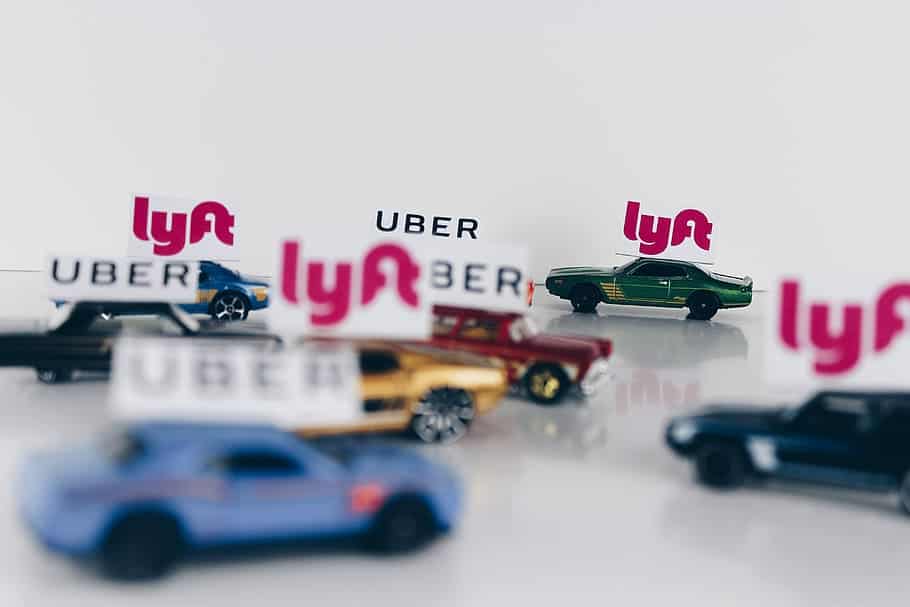
Massachusetts rideshare drivers made history after the App Drivers Union received state certification to represent about 70,000 rideshare drivers in the state—the first such union in the country. The union, affiliated with SEIU and the International Association of Machinists and Aerospace Workers, qualified for certification by submitting nearly 23,000 driver signatures under a 2024 state ballot initiative that created a sectoral bargaining process for rideshare drivers. The law creates a process allowing drivers to bargain collectively even though they remain classified as independent contractors rather than employees and sets a lower certification threshold, requiring 25 percent of active drivers’ support, though any eventual contract will require majority approval from drivers. The App Drivers Union will bargain with Uber, Lyft, and several smaller rideshare platforms under the oversight of the Massachusetts Department of Labor Relations rather than the NLRB. Key issues include wages, account deactivation appeals, and protections against autonomous vehicles. Any final agreement must be approved by the Massachusetts Secretary of Labor, and the parties have six months to bargain before mediation and arbitration can be invoked. “It’s one of the biggest organizing union victories in the last century,” said the union’s executive director, Autumn Weintraub.
Next, Pope Leo XIV issued a sweeping papal encyclical on artificial intelligence, calling on governments to regulate AI companies, protect and retrain workers whose jobs are threatened, and ensure that humans remain responsible for consequential decisions. The document, titled Magnifica Humanitas (“Magnificent Humanity”), was signed on the 135th anniversary of Rerum Novarum, the 1891 encyclical that became a cornerstone of Catholic workers’ rights doctrine during Industrial Revolution upheavals. “The pursuit of greater profits cannot justify choices that systematically sacrifice jobs,” Pope Leo wrote, warning that “[a] society that guarantees employment to only a small fraction of the population, despite having a high level of technical development, risks exposing many to forced inactivity.” The Pope presented the encyclical with Christopher Olah, a co-founder of Anthropic, in a symbolic gesture of dialogue between the Catholic Church and the technology industry. Olah acknowledged that AI companies need moral guidance to avoid being swayed by incentives that “can sometimes conflict with doing the right thing.”





Daily News & Commentary
Start your day with our roundup of the latest labor developments. See all
October 19
FDA reverses course on policy prohibiting off-duty union activity; FAA and NATCA reach deal to secure pay increase for air traffic controllers.
October 18
Federal judge again halts cancellation of the Bureau of Prisons’ CBA; tabletop gaming workers face roadblocks in union recognition.
October 16
Department of Labor reduces wage-and-hour enforcement at unionized workplaces; Fain's victory poses question of federal monitor's extension.
October 15
New reporting examines the rollback of child labor protections; California tries to block a strike; NLRB charges Wisconsin mental health provider with firing workers during union drive.
October 14
Eleventh Circuit overturns ERISA exhaustion rule; DHS finalizes removal of automatic renewal for work permits; AFGE challenges SSA over flexible scheduling policy.
October 13
Chicago hotel workers remain on strike; a coalition of Democratic states sues the Labor Department over canceled unemployment insurance grants; the Federal Labor Relations Authority establishes a new mediation framework for federal worker disputes.