
Anthony Chen is a student at Harvard Law School.
In today’s news and commentary, a former EEOC Commissioner drops her wrongful termination lawsuit following the Supreme Court’s ruling on Presidential removal power, and unions sue the Department of Defense over the cancellation of collective bargaining agreements.
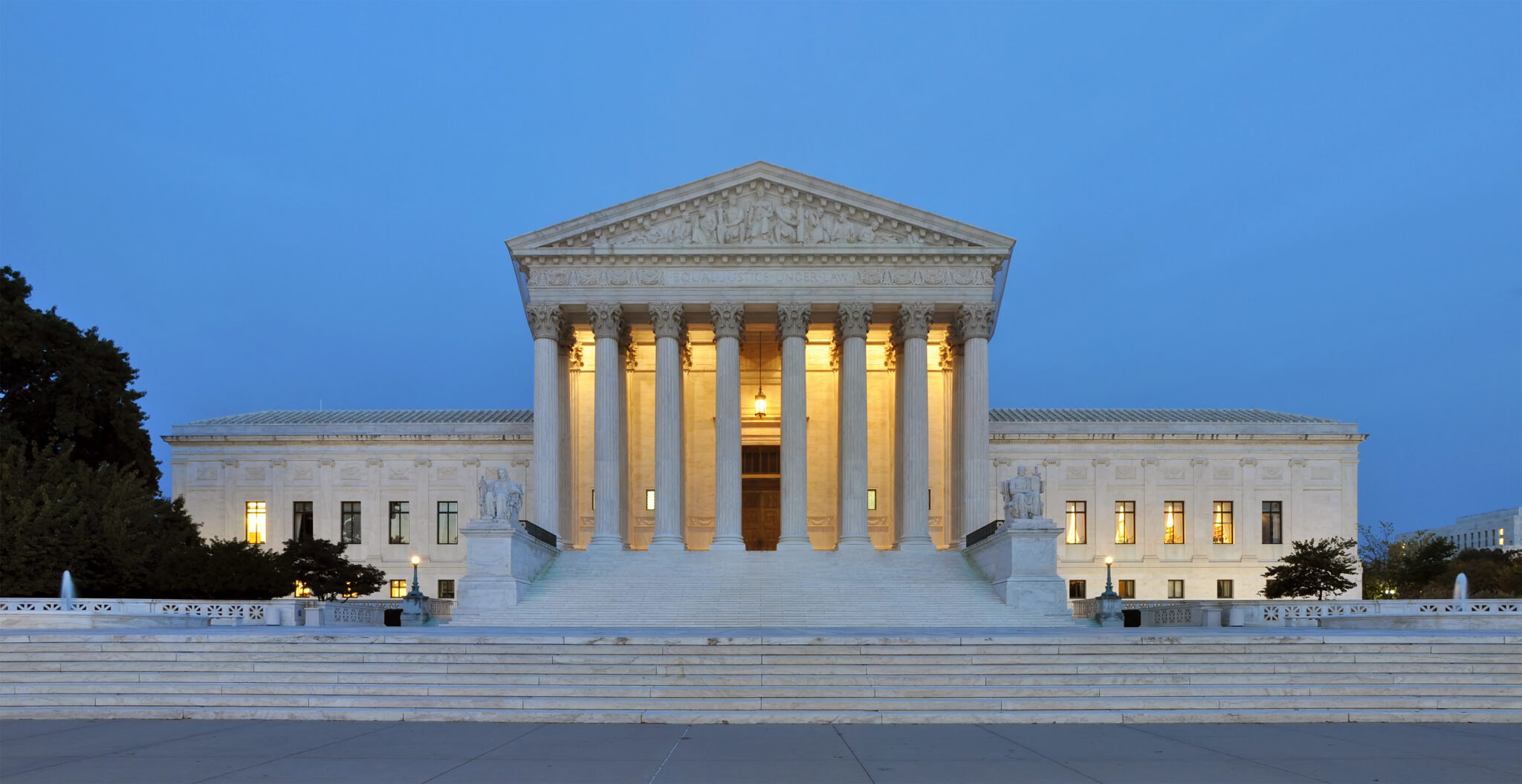
On Monday, former EEOC Commissioner Jocelyn Samuels dismissed her lawsuit challenging her firing by President Trump, citing the Supreme Court’s recent decision in Trump v. Slaughter, which overturned nearly a century of precedent and held that the President has authority to remove members of independent agencies at will. “The Court’s opinion leaves me without a viable path forward to continue contesting my termination,” Samuels said in a statement, while sharply criticizing the ruling for undermining Congress’s authority to limit presidential removal power. Trump fired Samuels in January 2025, eliminating the Democratic majority she would have preserved at the EEOC. Samuels had argued that the EEOC’s structure, with five commissioners serving staggered five-year terms, with no more than three from the same party, reflected congressional intent to insulate commissioners from at-will removal, even though Title VII, unlike the NLRA, contains no explicit removal protections.
Next, more than 20 union affiliates of the American Federation of Government Employees (AFGE) and the National Federation of Federal Employees (NFFE) filed a lawsuit against the Department of Defense (DoD), challenging Defense Secretary Pete Hegseth’s April 9 memo directing DoD agencies to terminate virtually all collective bargaining agreements within 24 hours. The unions argue the move violated the Administrative Procedure Act by reversing a 50-plus year DoD policy of honoring its CBAs without any reasoned explanation, failing to consider workers’ reliance interests, and misinterpreting the executive order it purported to implement. The suit covers tens of thousands of civilian DoD employees, some of whom have been covered by CBAs for more than 50 years. “The Trump administration unilaterally and illegally stripping collective bargaining rights from DoD workers only serves to weaken morale, harm recruitment and retention, and reduce accountability – jeopardizing our national security and the critical mission of the agency,” said NFFE President Randy Erwin.



Daily News & Commentary
Start your day with our roundup of the latest labor developments. See all
November 15
Unions oppose Chuck Schumer for Senate Majority Leader; Rockstar staff vote on unionization ahead of Grand Theft Auto VI’s release; New Jersey Education Association faces federal investigation.
November 12
Harvard graduate students go on strike; New York city mayor prepares to negotiate with the city's largest public union; the Trump administration proposes stringent rules for workers seeking benefits.
November 11
MIT grad union avoids strike, Colombian union clashes with Nestlé, and DOL proposes stricter UI requirements.
November 10
The White House nominates new EEOC and FTC commissioners; casino workers at Encore Boston Harbor ratify a new contract ending a two-month strike.
November 9
Democratic gains in Congress likely spell the end of the Protect College Sports Act; IBEW endorses the Bipartisan American Affordability and Jobs Act.
November 8
Democratic midterm victories at the federal and state level create legislative opportunities for workers and unions.