
Anthony Chen is a student at Harvard Law School.
In today’s news and commentary, WestJet reaches a deal to end a flight attendant strike, the NLRB rules Whole Foods legally banned Black Lives Matter displays, and a commentary argues college athletes should have the right to collectively bargain.
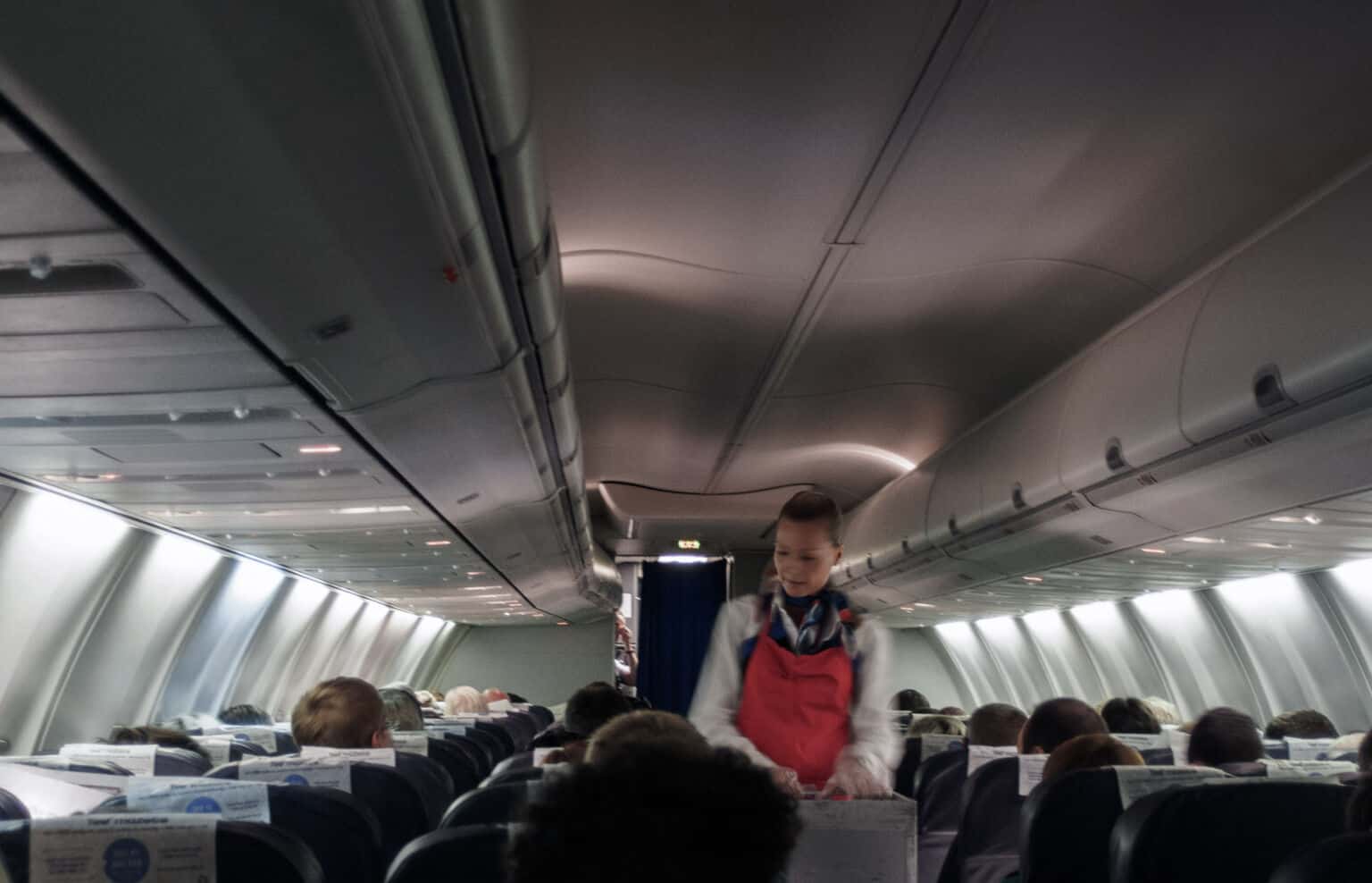
WestJet and the Canadian Union of Public Employees reached a tentative agreement early Monday, ending a daylong strike by 4,400 flight attendants. Flight attendants had been seeking wage increases and compensation for ground duties, including passenger boarding and safety presentations, which are currently unpaid. Details of the agreement were not disclosed, and it must still be ratified by union members. WestJet, Canada’s second-largest carrier, said all affected passengers would be refunded or reaccommodated. The strike was the second major disruption to Canadian air travel in a year, following a strike by 10,000 Air Canada flight attendants last summer that the Canadian government ended through binding arbitration.
Next, the NLRB ruled that Whole Foods legally prohibited workers from wearing Black Lives Matter messaging. The NLRB found that workers’ displays of BLM on clothing and accessories were not protected by federal labor law because they were not connected to workers’ job terms or conditions of employment. The board unanimously affirmed an administrative law judge’s dismissal of charges against Whole Foods for banning BLM displays during work time and disciplining workers for violating the policy. The ruling is consistent with the Eighth Circuit’s recent decision to vacate the board’s Biden-era Home Depot ruling, where the NLRB had found that Home Depot unlawfully forced out a worker who refused to remove a BLM inscription from their work apron, reasoning that the display was protected concerted activity tied to racial equity in the workplace. The Eighth Circuit disagreed, finding no sufficient nexus to workers’ terms and conditions of employment.
Finally, in a commentary for the San Diego Union-Tribune, journalist Eddie Brown argues that college athletes do not need protection from the Protect College Sports Act, but rather a seat at the bargaining table. The bill, which cleared the Senate Commerce Committee, would grant the NCAA limited antitrust protection to enforce compensation, transfer, and eligibility restrictions. Brown interviewed Cornell labor relations lecturer emeritus Lance Compa, who argues that collective bargaining is both the more durable solution and the only readily available antitrust exemption: under federal labor law, compensation systems, transfer windows, and roster rules negotiated between management and organized workers can be shielded from antitrust liability without an act of Congress. “As long as the affected parties are negotiating at arm’s length and come to an agreement, it’s the only way to overcome the chaos,” Compa said. The commentary comes as athletes are already moving toward collective bargaining: more than 100 Division I women’s basketball players have signed union authorization cards with the United College Athletes Association, Oregon State players have petitioned state regulators for union representation, and Stanford football players have formed the first player-led campus chapter of the College Football Players Association.



Daily News & Commentary
Start your day with our roundup of the latest labor developments. See all
October 9
DHS proposes a $100k fee for the foreign grad employment program; Trump suspends tech company access to green card program; and private equity perpetuates poor working conditions for home care workers.
October 8
NLRB judge finds UPS unlawfully restricted union insignia; Harvard graduate workers authorize second strike; OSHA orders Union Pacific to pay $300,000 in damages in whistleblower case.
October 7
DOL scraps plan to remove decades-old wage-and-hour guidance from federal regulations; New York enacts personnel records access law; Starbucks loses bid to dismiss Workers United trademark suit.
October 6
Protect College Sports Act dampens athlete unionization outlook; Stanford RA union decides to withdraw petition
October 5
Delaware bans captive audience meetings; EEOC settles remote work national origin discrimination claim; First Circuit stays enforcement order in VA's dispute with AFGE.
October 4
Boston nurses announce open-ended strike; federal judge restores federal prison workers' union protections; St. Louis workers form the first movie theater union in Missouri.