
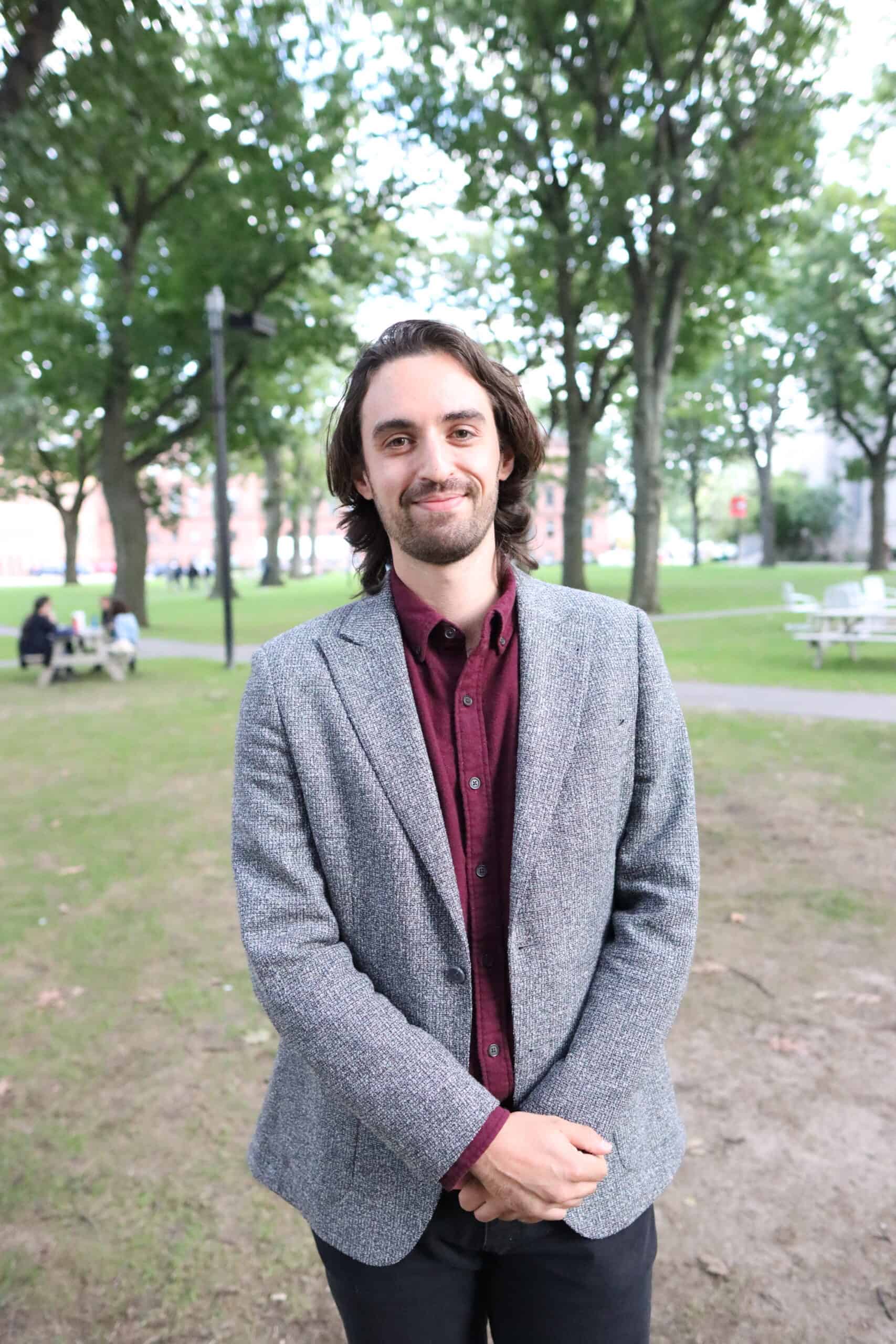
Jon Levitan is a student at Harvard Law School and a member of the Labor and Employment Lab.
The results of the IATSE strike vote came in yesterday, and they were emphatic: over 98% voted to authorize a nationwide strike in the film and television industry. Perhaps even more encouraging for the union is that voter turnout was nearly 90% despite there being just under 60,000 eligible voters. In total, 52,706 IATSE voted yes on the strike vote. IATSE President Matthew Loeb is now authorized to call a strike at any time, as negotiations continue to stall between the union and the Alliance of Motion Picture and Television Producers, the trade group representing movie and TV studios. The dispute has primarily been about overwork and rest hours, with IATSE members reporting obscenely long work hours as studios strike to churn out as much content as possible. For instance, a set decorator at Disney, told In These Times about “a job she had last year that required her to report for work for stretches of 12 days at a time for as long as 22 hours a day.” If IATSE ends up going out on strike, it will be the largest private sector strike in the United States since 2007, when 70,000 General Motors workers walked off the job.
Sixty-nine workers at the have filed for a union representation election with the NLRB. The union, the Citizen Central Operations Union, is affiliated with the Communications Workers of America. Citizen, which Vice calls a “vigilante crime-watch app…is a popular social network that sends news alerts to users about crime in their neighborhoods and allows them to broadcast news and receive live updates about ongoing reports.” According to the employees who spoke to Vice, the union drive is fueled by both bread-and-butter labor concerns—wage disparities and lack of advancement opportunities—but also larger concerns about the company. In May, Vice reported that Citizen’s CEO had personally offered a $30,000 bounty, via the app, to anyone who caught a man who was falsely accused of igniting the Palisades Wildfire in Los Angeles. The unionization drive gained momentum after the incident, where workers were disturbed by the CEO’s personal quest to find the suspect. Citizen management opposed the union, breaking out a textbook tech-startup-union-buster line: “[a]s a dynamic, high-growth, and innovative company leveraging technology in moments of crisis, we are best positioned to address challenges and grow together as a Citizen team without meddling from an outside union.”
Finally, in union democracy news, Jonah Furman reports on a group of 2,700 Occupational and Physical Therapists in the New York United Federation of Teachers (UFT) who voted down a tentative agreement three years ago and have now won an election to take over their slice of the UFT. In 2018, the therapists rejected a tentative agreement—the first UFT contract that had been voted down in 20 years—because of an inequitable pay structure: “Despite being some of the most highly credentialed workers in the Department of Education—their job requires a master’s degree—OTs and PTs worked under a salary scale that maxed out thousands of dollars lower than comparable workers like speech therapists, and at around 60 percent of the top teacher salary. It also fell short of what therapists were paid in other major school systems.” Now, they control their local chapter, and will sit on the UFT’s bargaining committee in 2022.

Daily News & Commentary
Start your day with our roundup of the latest labor developments. See all
October 5
Delaware bans captive audience meetings; EEOC settles remote work national origin discrimination claim; First Circuit stays enforcement order in VA's dispute with AFGE.
October 4
Boston nurses announce open-ended strike; federal judge restores federal prison workers' union protections; St. Louis workers form the first movie theater union in Missouri.
October 2
Gov. Newsom signs bill regulating AI in workplace; federal judge blocks Trump's $100,000 H-1B visa fee.
October 1
Senate confirms Keith Sonderling as Labor Secretary; Amazon warehouse workers launch an unfair labor practice strike.
September 30
Harvard grad union wins in First Circuit; AI data trainers initiate misclassification suits; Trader Joe’s found liable under ERISA.
September 29
Unions, AI companies, and private equity firms form a new coalition to shape data center policies; unions express support for the Paramount-Warner Bros. merger.