
Luke Hinrichs is a student at Harvard Law School.
In today’s news and commentaries, FTC issues final rule banning noncompete agreements; DOL publishes final rule raising salary threshold for overtime pay, increasing eligibility; and Congressional Labor Caucus sends letter urging JetBlue to agree to remain neutral toward workers’ unionization efforts.
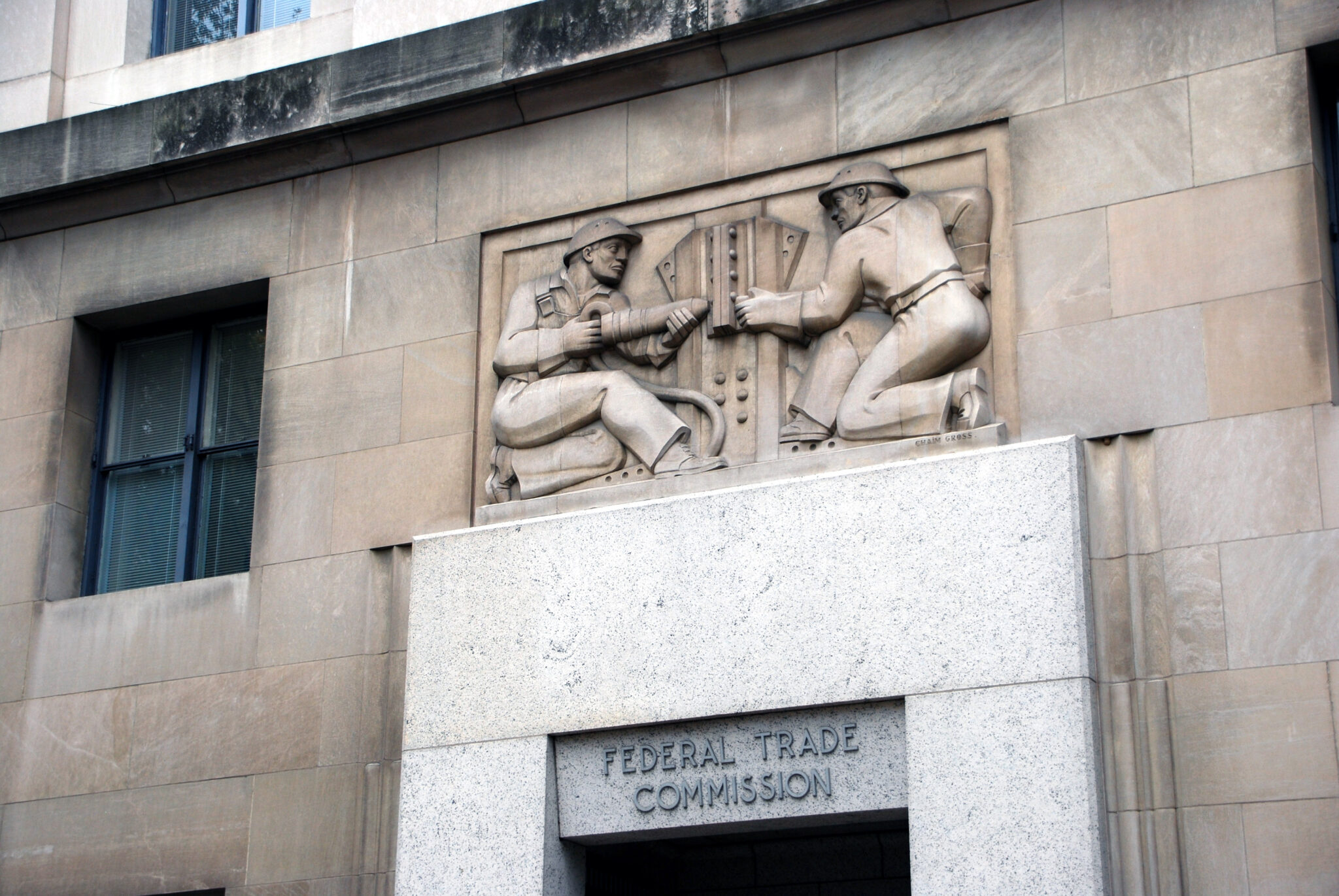
On Tuesday, April 23, the Federal Trade Commission voted 3-2 to issue its final “Non-Compete Clause Rule” pursuant to sections 5 and 6(g) of the Federal Trade Commission Act. The final rule bans new noncompetes for all workers, including senior executives. For existing noncompetes, the restrictive agreements are non-enforceable for all workers other than senior executives. Although the FTC declined to categorically prohibit training repayment agreements, or TRAPs, the final rule will apply to TRAPs when they substantively function as non-competes. The rule will go in effect 120 days after it is published in the Federal Register. However, two lawsuits challenging the rulemaking have already been filed in the Eastern District and Northern District of Texas.
The US Department of Labor published its final rule updating overtime protections under the Fair Labor Standards Act. The action is expected to expand overtime protections to 4.3 million workers and increase the wages of working people by $1.5 billion annually. When the rule is fully phased in on January 1, 2025, salaried workers making less than $1,128 per week—or $58,656 per year for a full-time, full-year worker—are required to be paid an overtime premium at a rate of time and a half (1.5x) their regular pay when they work more than 40 hours in a week. The rule covers manager, supervisor, or highly credentialed professional as well. In 2027, the threshold will start to automatically increase every three years to reflect changes in average earnings.
The Congressional Labor Caucus sent a letter, signed by 160 Congress members, to JetBlue CEO Joanna Geraghty encouraging the company to adopt a neutrality agreement as the Transport Workers Union (TWU) continues their efforts to unionize JetBlue workers. TWU, which currently represents roughly 7,000 JetBlue flight attendants, is engaging in a unionization campaign to organize JetBlue’s estimated 1,000 mechanics and 100 dispatchers. The congressional letter was sent in response to “instances of anti-organizing interference at JetBlue from management.”



Daily News & Commentary
Start your day with our roundup of the latest labor developments. See all
October 27
Some California union locals defy their statewide leadership to back the state’s billionaire tax proposal; a Brown University technology center releases a map of the hidden global workforce behind AI; the National Women's Soccer League and its players union settle six grievances.
October 26
Harvard dining workers authorize strike; New York City bans horse carriages; Brooklyn nurses rally in support of colleague.
October 25
Dallas Cowboys Cheerleaders unionize; Bureau of Prisons again pushes for union contract cancellation; CSU faculty votes on strike authorization.
October 23
Employers increasingly shift health care costs onto workers and NYC proposes placing restrictions on fully automated customer service.
October 22
SCOTUS declines Wilcox appeal; Penn State research assistants win bargaining rights; SEIU sued over military leave firing.
October 21
DOL withdraws tipped-worker rule; Instacart settles hiring-bias claims; Phillips 66 locks out New Jersey refinery workers.