
Vail Kohnert-Yount is a student at Harvard Law School.
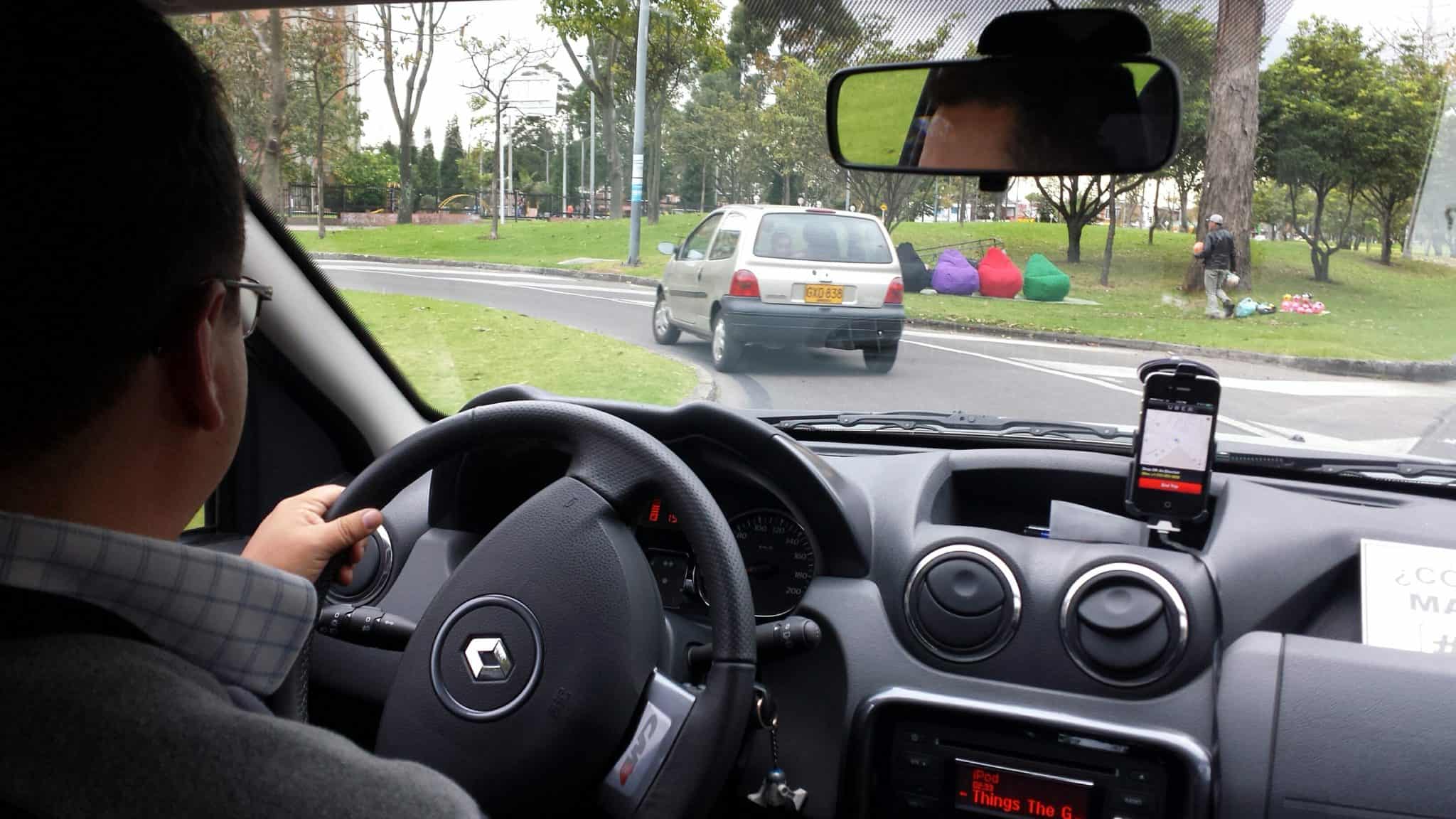
Uber, Lyft, and DoorDash have unveiled their ballot initiative to undo the worker protections in California’s recently passed AB5 law. While these gig economy giants claim that drivers will receive guaranteed pay equal to 120% of the minimum wage, a study released yesterday by the UC Berkeley Labor Center came to a very different conclusion. After considering multiple loopholes—for example, drivers spend approximately 33% of their time waiting for rides, which they are unpaid and unreimbursed for—the study estimated that the pay guarantee for Uber and Lyft drivers is actually $5.64 per hour. “Harry Truman was president the last time the inflation-adjusted value of the minimum wage was that low,” the report by Ken Jacobs and Michael Reich read.
On Thursday, New York state lawmakers introduced a bill to definitively close a murky loophole that limits state liability for sexual harassment by elected officials. In New York, state employees who work for elected officials are not considered state employees for the purposes of New York sexual harassment law, and the federal anti-discrimination law, Title VII of the 1964 Civil Rights Act, also excludes lawmakers’ personal staff. Previously, when two aides sued the Assembly alleging sexual harassment from their boss, their suit was dismissed—although the suit was refiled, and another judge ruled that the state could be held liable for the lawmaker’s actions. State Senator Andrew Gounardes, who introduced the bill, said, “It’s crazy to me. There’s no reason state employees should be gaslighted like this by their employers.”
Yesterday, the Philadelphia City Council unanimously passed legislation creating a “domestic worker bill of rights” in the city. The measure, which will allow domestic workers like nannies and cleaners to accrue paid leave and sick days, will apply to an estimated 16,000 workers, largely women of color. Because domestic workers lack the right to unionize under federal law, the bill also hopes to provide safeguards against abuse that domestic workers often experience.
To fill teacher vacancies in its high schools, a school district in Memphis has turned to an online company supplying remote teachers. The district plans to hire six teachers at five high schools, who will teach core classes by video conference to up to 750 students. Keith Williams, the executive director for the Memphis-Shelby County Education Association, said the district’s money should be spent to increase teacher pay instead of on remote teaching. “You get what you paid for,” he said. “We have a teacher shortage in this district for a reason.”
Survivors of a building collapse on a construction site in New Orleans last month have filed lawsuits alleging negligent construction practices. The collapse of the Hard Rock Hotel New Orleans project on October 12 killed three workers and injured many more, and the bodies of two who died in the collapse have yet to be recovered.




Daily News & Commentary
Start your day with our roundup of the latest labor developments. See all
October 22
SCOTUS declines Wilcox appeal; Penn State research assistants win bargaining rights; SEIU sued over military leave firing.
October 21
DOL withdraws tipped-worker rule; Instacart settles hiring-bias claims; Phillips 66 locks out New Jersey refinery workers.
October 20
Korean unions oppose labor exemption bill; Portland city workers prepare for strike; UPenn grad student union looks to dismiss university filing
October 19
FDA reverses course on policy prohibiting off-duty union activity; FAA and NATCA reach deal to secure pay increase for air traffic controllers.
October 18
Federal judge again halts cancellation of the Bureau of Prisons’ CBA; tabletop gaming workers face roadblocks in union recognition.
October 16
Department of Labor reduces wage-and-hour enforcement at unionized workplaces; Fain's victory poses question of federal monitor's extension.