
Lara Weinberg is a student at Harvard Law School.
In today’s news and commentary, the DC Circuit sidesteps a decision on NLRB’s remedial powers, University of California workers overwhelmingly ratify their bargaining agreement, and Trump’s Office of Personnel Management proposes a nondisclosure agreement for all federal workers.
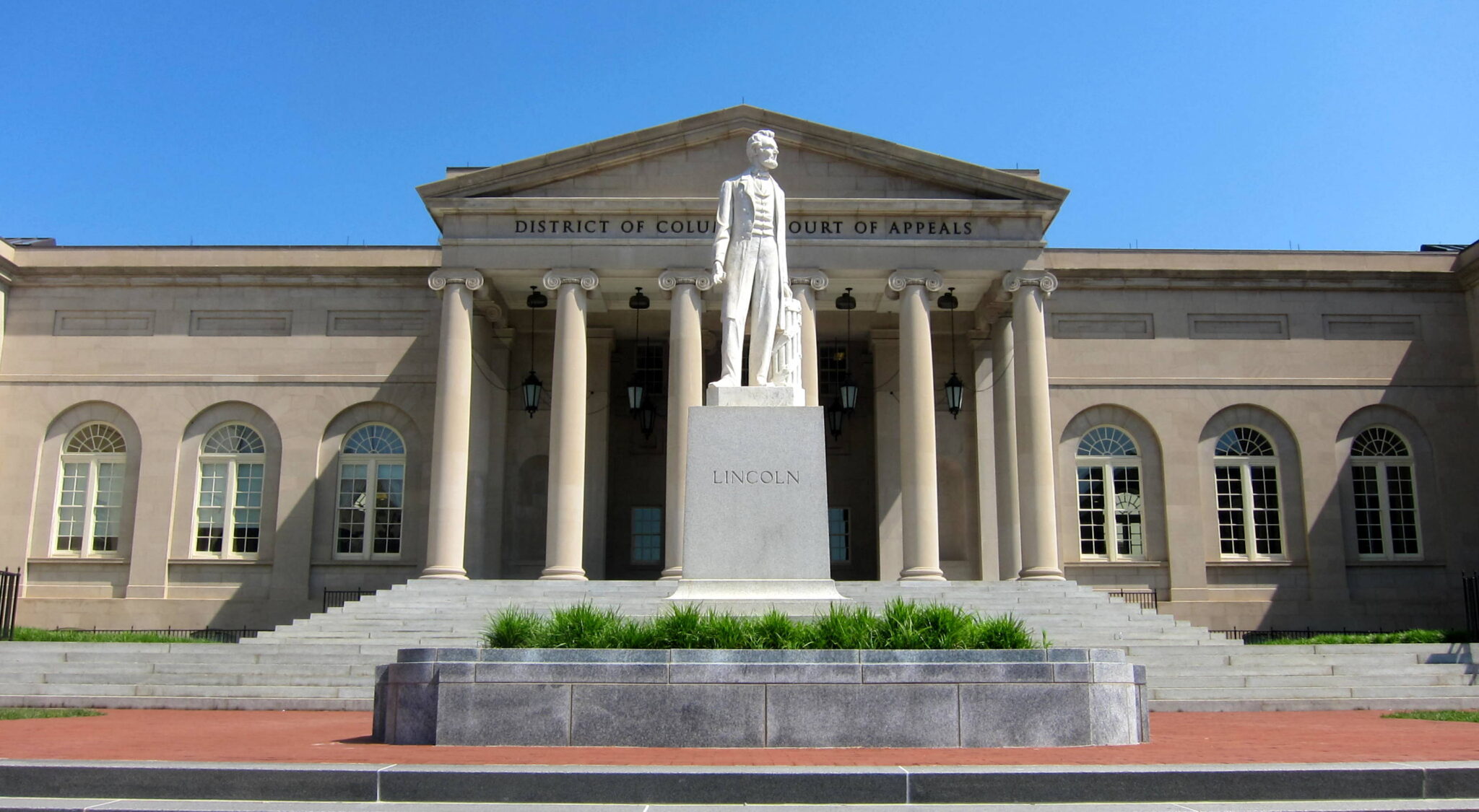
On Tuesday, the Court of Appeals for the District of Columbia declined to consider a challenge to the NLRB’s remedial power. Thus far, federal circuits have been split on whether the NLRB has the power to order broad financial relief to “make parties whole.” This power to compel payment from employers for “all direct or foreseeable pecuniary harms” was established by the Board in its 2022 case Thryv. Thus far, the Third, Fifth, and Sixth Circuits have held that this remedy exceeds the Board’s statutory powers while the Ninth Circuit has upheld it. The opportunity to weigh in came before the DC Circuit in the case Vermont Information Processing v. NLRB. The company challenged the Board’s decision that VIP had illegally fired four employees. On Tuesday, the court held that VIP could not challenge the Board’s broadest financial remedies, and therefore Thryv, on appeal because it had failed to raise the argument below. Judges Millett and Pan, democratic appointees, constituted the majority, while Judge Walker, the lone Trump appointee, would have ruled against Thryv.
Meanwhile, workers in the UC school system voted overwhelmingly to ratify their first collective bargaining agreement since their previous one expired in 2024. As Maya covered last week, AFSCME Local 3299 narrowly avoided a strike by reaching an agreement with school administration to cover the unit’s almost 40,000 members, including healthcare employees, custodians, food service workers. While the parties had come to a tentative agreement on the 15th, it needed to be passed by the membership in a ratification vote. As of Tuesday this final step was complete, with 96.4% of members voting in favor of the contract. The deal will increase wages, provide longevity payments for long-term employees, and cap healthcare costs, among other benefits.
Finally, OPM posted a draft notice of a government-wide nondisclosure agreement (NDA) for federal employees to the federal register on Tuesday. It puts forth an NDA that agencies could choose to adopt to gag “all non-public, confidential, or proprietary information, [including] information relating to internal agency operations, personnel matters, procurement processes, or any sensitive, pre-decisional or deliberative material.” In defending the proposal, OPM cites recent leaks, highlighting the New York Times and Washington Post’s coverage of the raid in Venezuela earlier this year. The proposal claims to “not create new substantive restrictions,” and merely ensure compliance with preexisting law. Commentators, however, have said it “takes a wide view of confidential information” and “could still chill protected speech.” The official notice goes up today, marking the start of a 30-day public comment period.



Daily News & Commentary
Start your day with our roundup of the latest labor developments. See all
October 13
Chicago hotel workers remain on strike; a coalition of Democratic states sues the Labor Department over canceled unemployment insurance grants; the Federal Labor Relations Authority establishes a new mediation framework for federal worker disputes.
October 12
Workers at the Obama Foundation begin organizing; MLB submits its latest collective bargaining agreement proposal; Brigham & Women's nurses postpone strike.
October 11
UAW President Shawn Fain succeeds in his reelection bid, and Spanish unions call for a general strike.
October 9
DHS proposes a $100k fee for the foreign grad employment program; Trump suspends tech company access to green card program; and private equity perpetuates poor working conditions for home care workers.
October 8
NLRB judge finds UPS unlawfully restricted union insignia; Harvard graduate workers authorize second strike; OSHA orders Union Pacific to pay $300,000 in damages in whistleblower case.
October 7
DOL scraps plan to remove decades-old wage-and-hour guidance from federal regulations; New York enacts personnel records access law; Starbucks loses bid to dismiss Workers United trademark suit.