
Lara Weinberg is a student at Harvard Law School.
In today’s news and commentary, DOL plans to make changes to the PERM immigration program, a three-day hearing on proposed forced-labor tariffs is underway, and Mayor Mamdani recovers $2.3M in corporate settlements for violations of NYC worker protection laws.
Last week, the Trump Administration released its 2026 Regulatory Plan which includes comprehensive regulatory agendas for entities throughout the federal government. The Department of Labor’s plan includes proposals intended to make significant changes to the permanent labor certification process, known as PERM. Typically, under PERM, the agency must certify that “the employment of the immigrant will not adversely affect the wages and working conditions of U.S. workers similarly employed and that U.S. workers are unavailable for the position.” The DOL now proposes making that process more stringent by “improving the minimum standards” that employers must follow to obtain Agency approval for immigrant visas. The Agency claims that the proposal is an attempt to keep the Agency up to date with developing technology. Other recent proposed changes from the DOL have included raising wage floors for H-1B visas in line with President Trump’s September 2025 declaration, which would make it harder for employers to hire non-citizen workers. A list of DOL’s policymaking agenda can be found on the OMB website.
Meanwhile, Tuesday marked the start of a three-day long hearing in Washington, DC held by the Office of the US Trade Representative (USTR) on its proposed forced-labor tariffs. As I covered in April, the USTR has proposed tariffs on 60 countries, purportedly due to their failure to eliminate the use of forced labor in their supply chains. Commentators have critiqued the move as an attempt to circumvent the Supreme Court’s decision in Learning Resources, which curbed President Trump’s tariffs under the International Economic Emergency Powers Act. Following that decision, the Administration imposed a global 10% tariff that is set to expire later this month. On Monday, 22 democratic state Attorneys General signed a 15-page comment letter to the US Trade Representative calling the proposed tariffs unsupported and pretextual, to which the USTR has declined to respond. The current hearings will include testimony from both industry interest groups and global leaders, including Flávio Bolsonaro, Brazilian senator and right-wing presidential candidate.
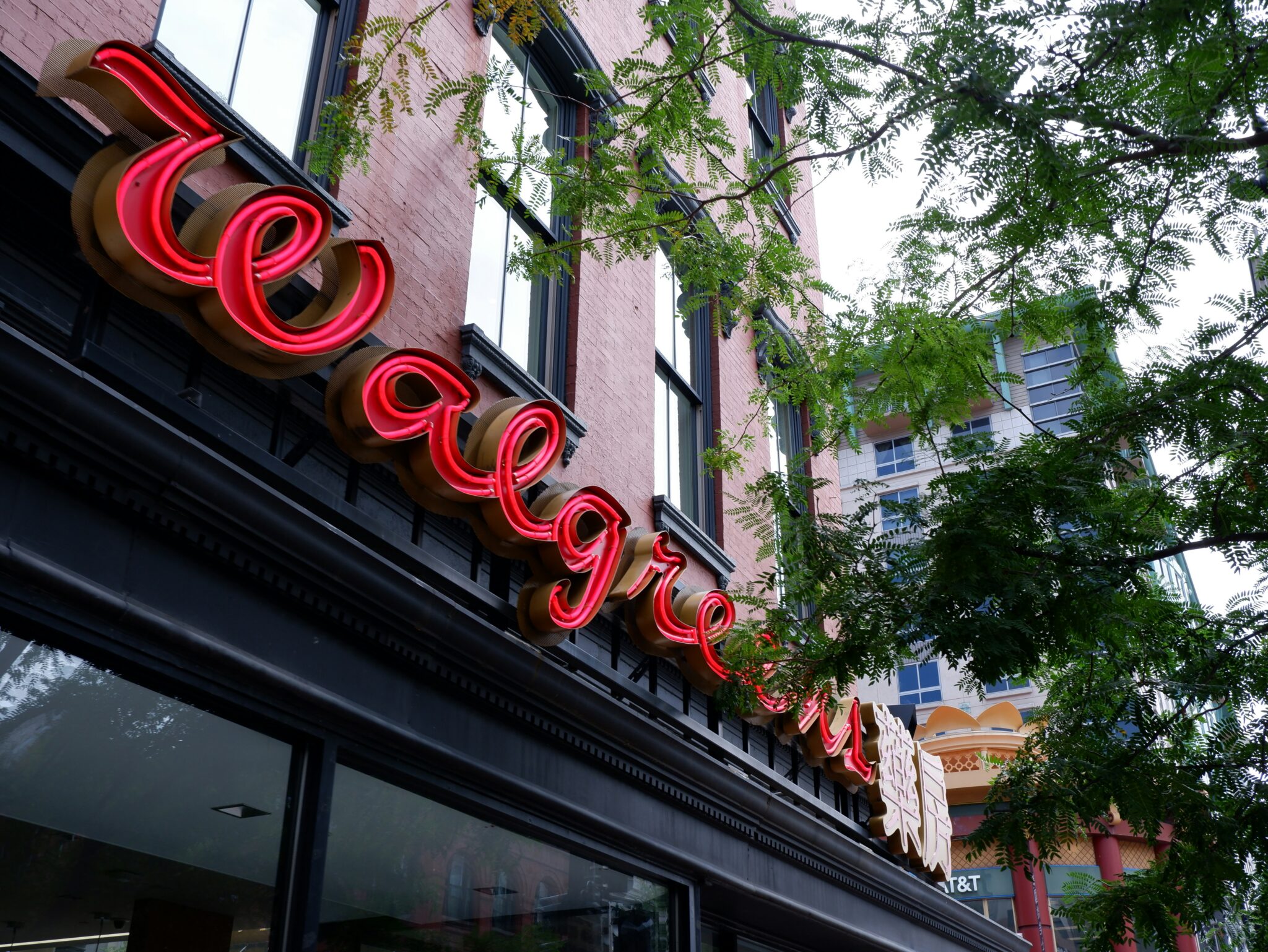
Finally, on Tuesday, New York City Mayor Zohran Mamdani reported a settlement of $2.3 million with corporations Walgreens, Allstar Security & Consulting, Calzedonia (Intimissimi) and Kinship Coffee. The companies were accused of violating NYC’s Fair Workweek Law and Protected Time Off Law. The former requires employers to provide 72 hours’ advance notice of work schedules and advance notice of schedule changes, among other provisions. The latter sets the floor for the amount of paid time off that employers are required to provide on an annual basis. The settlement includes both restitution to employees and civil penalties from each company. This marks one of several multi-million dollar settlements that Mayor Mamdani’s Department of Consumer and Worker Protection has secured under NYC’s worker protection laws since he took office earlier this year.


Daily News & Commentary
Start your day with our roundup of the latest labor developments. See all
November 15
Unions oppose Chuck Schumer for Senate Majority Leader; Rockstar staff vote on unionization ahead of Grand Theft Auto VI’s release; New Jersey Education Association faces federal investigation.
November 12
Harvard graduate students go on strike; New York city mayor prepares to negotiate with the city's largest public union; the Trump administration proposes stringent rules for workers seeking benefits.
November 11
MIT grad union avoids strike, Colombian union clashes with Nestlé, and DOL proposes stricter UI requirements.
November 10
The White House nominates new EEOC and FTC commissioners; casino workers at Encore Boston Harbor ratify a new contract ending a two-month strike.
November 9
Democratic gains in Congress likely spell the end of the Protect College Sports Act; IBEW endorses the Bipartisan American Affordability and Jobs Act.
November 8
Democratic midterm victories at the federal and state level create legislative opportunities for workers and unions.