
Lara Weinberg is a student at Harvard Law School.
In today’s news and commentary, an NYC House primary sees competition over labor endorsements, an Amazon union’s recognition may lead to ultimate Cemex challenge, and the Sixth Circuit strikes a blow to NLRB policy-making authority.
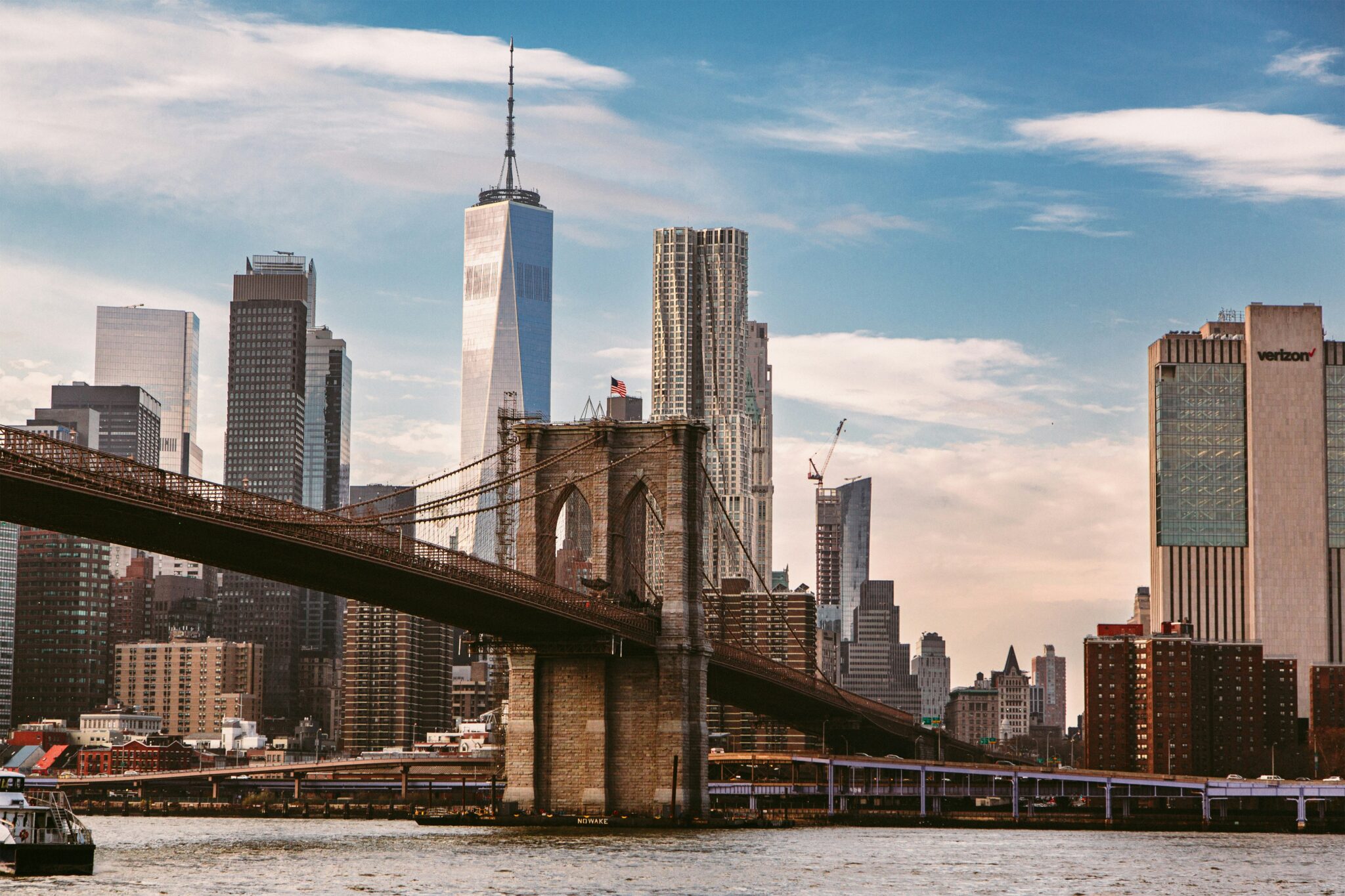
On Tuesday, House of Representatives primaries in New York saw Progressive candidates compete for union endorsements. In Congressional District 10, which encompasses lower Manhattan and parts of Brooklyn, union support was one of the top issues in the race, and both candidates claimed the mantle of union support. Zohran Mamdani–backed candidate Brad Lander was ultimately successful in his challenge to incumbent Daniel Goldman. Lander claimed endorsements from UAW, the New York State Nurses Association and the Communications Workers of America despite a seemingly negative comment he made in May regarding the governor ‘giving in’ to the building trades. His opponent was backed by twenty New York City–based unions including the New York State AFL-CIO and the United Federation of Teachers.
Meanwhile, on Monday, an NLRB judge ordered Amazon to recognize a Teamsters-backed union at a warehouse in San Francisco. Administrative Law Judge Silverstein based his decision on NLRB’s 2023 Cemex precedent. In that case, the Board held that if a majority of employees have designated a union as their representative, an employer must bargain with the union unless the employer petitions for an election. Here, Amazon did not timely petition for an election, nor has it recognized the union. Amazon has promised to challenge the ruling. Some commentators have speculated that this decision is likely to lead to an appeal to the Board in Washington where a new Trump appointee may help to overturn Cemex altogether.
Finally, on Tuesday, the Sixth Circuit dealt a significant blow to the NLRB’s century-old practice of setting labor policy through individual case decisions. Earlier this year in Brown-Forman Corp. v. NLRB, a divided panel ruled that the Board had improperly used Cemex to announce a new framework for bargaining orders rather than following the Supreme Court’s existing Gissel standard. As Tascha wrote at the time, the court held that such a decision requires formal notice-and-comment rulemaking rather than case adjudication. The full court yesterday declined to reconsider that holding, leaving intact a precedent that could constrain how the NLRB makes policy for years to come. The ruling puts the Board in an unusual position: the Trump-majority NLRB, which is widely expected to overturn Cemex on its merits, had nonetheless asked for rehearing alongside the Teamsters, with both sides sharing an institutional interest in preserving the Board’s authority to set rules through cases rather than rulemaking.




Daily News & Commentary
Start your day with our roundup of the latest labor developments. See all
October 9
DHS proposes a $100k fee for the foreign grad employment program; Trump suspends tech company access to green card program; and private equity perpetuates poor working conditions for home care workers.
October 8
NLRB judge finds UPS unlawfully restricted union insignia; Harvard graduate workers authorize second strike; OSHA orders Union Pacific to pay $300,000 in damages in whistleblower case.
October 7
DOL scraps plan to remove decades-old wage-and-hour guidance from federal regulations; New York enacts personnel records access law; Starbucks loses bid to dismiss Workers United trademark suit.
October 6
Protect College Sports Act dampens athlete unionization outlook; Stanford RA union decides to withdraw petition
October 5
Delaware bans captive audience meetings; EEOC settles remote work national origin discrimination claim; First Circuit stays enforcement order in VA's dispute with AFGE.
October 4
Boston nurses announce open-ended strike; federal judge restores federal prison workers' union protections; St. Louis workers form the first movie theater union in Missouri.