
Ajayan Williamson is a student at Harvard Law School.
In today’s news and commentary, Starbucks workers vote to authorize a strike; the Sixth Circuit rejects Thryv remedies; and OPEIU tries to intervene, again, to defend the NLRB.
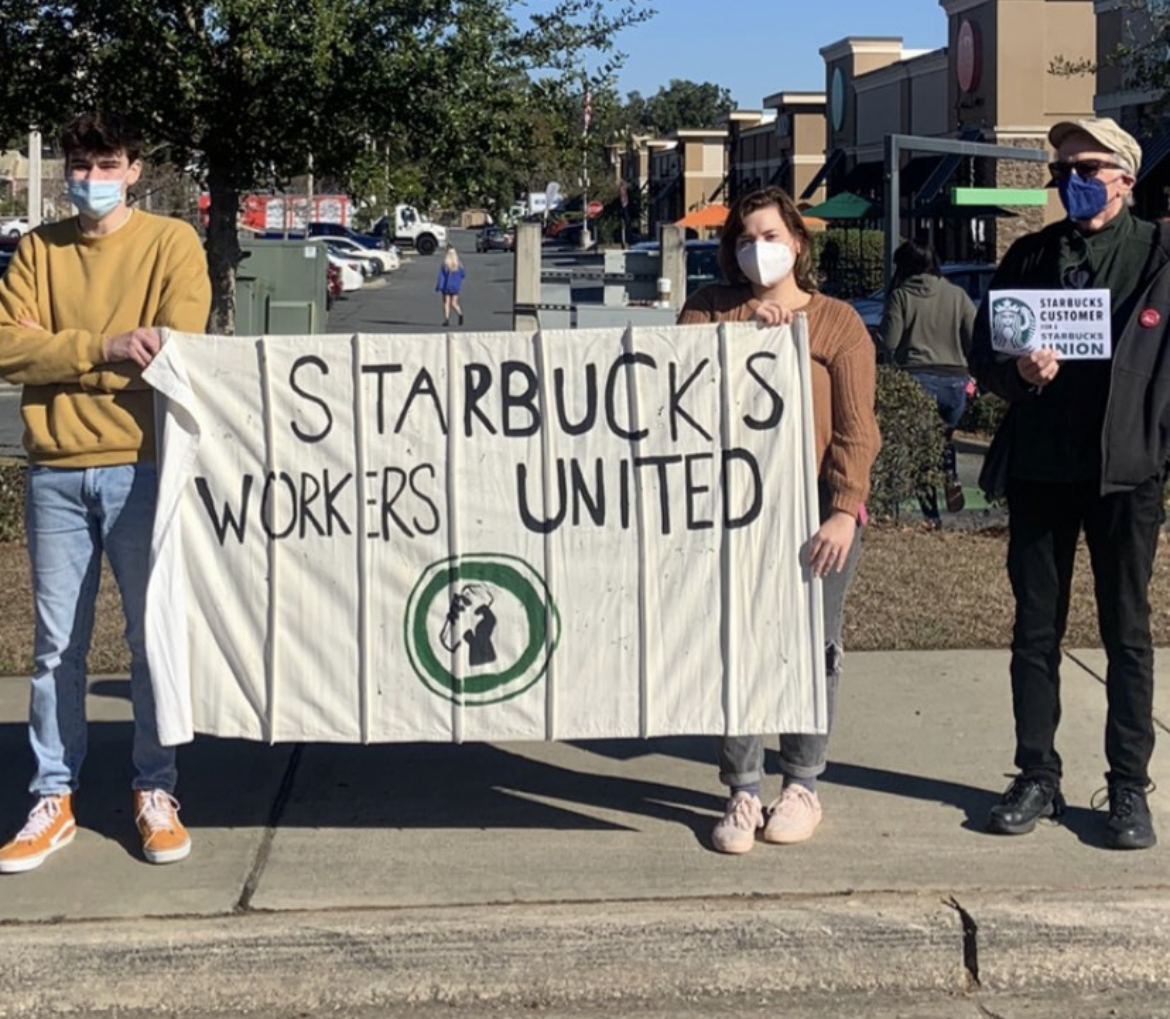
Yesterday, Starbucks Workers United announced that its members have voted to authorize an strike if a contract is not finalized by November 13. Contract talks have been in progress since late last year; the union voted down a potential deal in April, seeking concessions on hours, pay, and the outstanding unfair labor practice charges. Yesterday’s vote authorizes an open-ended strike beginning on “Red Cup Day,” the start of the company’s busy holiday season. However, the union represents only about 9,000 of the company’s 200,000 workers, and the company claimed it would be able to keep most stores open “regardless of the union’s plans.”
Meanwhile, the Sixth Circuit ruled yesterday that the NLRB may not order a company to pay for the “direct or foreseeable pecuniary harms” of an unfair labor practice, rejecting the “Thryv remedy” that the Board had imposed. As Ted and I have written, the Third and Fifth Circuits recently rejected Thryv remedies, but the Ninth Circuit recently reaffirmed them. This latest ruling — which also happens to involve allegations of unfair labor practices by Starbucks — contributes to a growing circuit split over the propriety of such remedies.
Finally, the Office and Professional Employees International Union (OPEIU) announced yesterday that it would attempt to seek certiorari in SpaceX’s suit against the NLRB. As Anjali explained in August, the Fifth Circuit’s ruling in that case effectively halted unfair labor practice charges in Texas, Louisiana, and Mississippi. The NLRB announced last month that it would not appeal the decision; in a complex procedural posture, OPEIU was previously allowed to intervene and argue the case, but it was ejected from the proceeding by the Fifth Circuit a few months later. The latest motion directly asks the Supreme Court to allow OPEIU to intervene again and appeal the Fifth Circuit’s decision.





Daily News & Commentary
Start your day with our roundup of the latest labor developments. See all
October 9
DHS proposes a $100k fee for the foreign grad employment program; Trump suspends tech company access to green card program; and private equity perpetuates poor working conditions for home care workers.
October 8
NLRB judge finds UPS unlawfully restricted union insignia; Harvard graduate workers authorize second strike; OSHA orders Union Pacific to pay $300,000 in damages in whistleblower case.
October 7
DOL scraps plan to remove decades-old wage-and-hour guidance from federal regulations; New York enacts personnel records access law; Starbucks loses bid to dismiss Workers United trademark suit.
October 6
Protect College Sports Act dampens athlete unionization outlook; Stanford RA union decides to withdraw petition
October 5
Delaware bans captive audience meetings; EEOC settles remote work national origin discrimination claim; First Circuit stays enforcement order in VA's dispute with AFGE.
October 4
Boston nurses announce open-ended strike; federal judge restores federal prison workers' union protections; St. Louis workers form the first movie theater union in Missouri.