
Ted Parker is a student at Harvard Law School and a member of the Labor and Employment Lab.
In today’s news and commentary, the Supreme Court will likely not review the Fifth Circuit’s SpaceX decision, courts uphold a broad, worker-friendly interpretation of the EFAA, and the EEOC continues its focus on opioid-related discrimination.
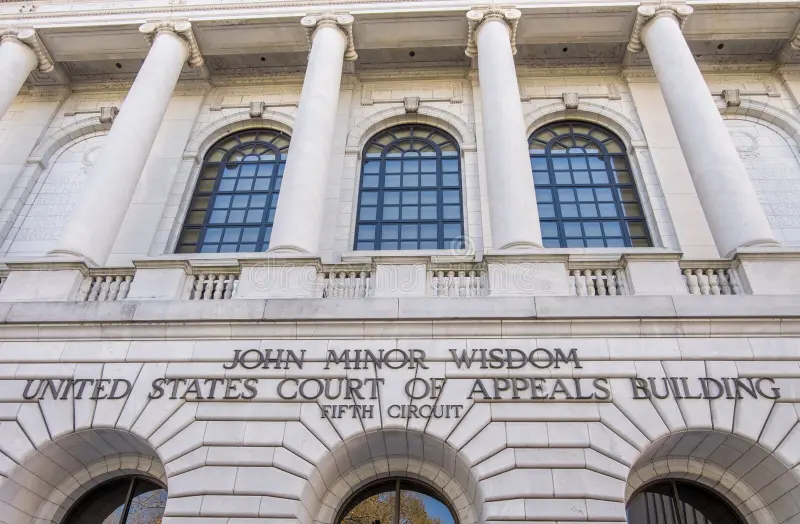
The Fifth Circuit’s recent SpaceX decision will likely escape review by the Supreme Court. As Anjali, Henry, and I explained in August, the decision effectively blocks unfair labor practice charges in the Fifth Circuit—a powerful weapon for any employer big enough to allege plausible ties to Texas. Now, an appeal to the Supreme Court seems off the table. The NLRB announced earlier this month that it would not seek to appeal the decision. The other party to the litigation, SpaceX, obviously has no reason to. That leaves the possibility of an interested union intervening in the case in order to file an appeal. Last week, the Office and Professional Employees International Union (OPEIU) tried for the third time to intervene and was again turned down by the Fifth Circuit. With this possibility seemingly closed, it appears that the SpaceX decision will stand in the Fifth Circuit at least until the Supreme Court hears a similar case from elsewhere, such as Trump v. Wilcox.
The Ending Forced Arbitration in Sexual Assault and Sexual Harassment Act (EFAA) continues to enjoy a broad interpretation that helps workers. Currently, the law allows workers to avoid forced arbitration if their “case . . . relates to [a] sexual assault dispute or [a] sexual harassment dispute.” The vast majority of courts have interpreted “case” to include claims that are filed in the same suit even if those claims are not facially “relate[d] to” sexual assault or sexual harassment (though, in context, they will often be related to the sexual misconduct at issue). This means that the EFAA may also shield, for example, wage and hour claims from forced arbitration if those claims are brought as part of the same suit. Late last week, a Second Circuit panel heard oral arguments on this subject and seemed poised to confirm the broad reading of “case.” Earlier this month, the Supreme Court denied a petition for certiorari on this same issue. For at least the near future, then, the worker-friendly interpretation of EFAA seem likely to prevail.
Law360 reports that the Equal Employment Opportunity Commission (EEOC) has continued and intensified its Biden-era focus on opioid-related bias. Americans with Disabilities (ADA) suits alleging discrimination against workers with opioid prescriptions or who are in treatment for past opioid use now constitute more than 4% of the EEOC’s merit lawsuits for this fiscal year. Commentators say these cases, along with the EEOC’s guidance document on opioids, is a signal to employers that “blanket [drug-screening] exclusions and stereotypical assumptions about substance use are risky” and that “overreact[ing] to perceived risk rather than documented impairment . . . exposes them to ADA liability.”





Daily News & Commentary
Start your day with our roundup of the latest labor developments. See all
October 9
DHS proposes a $100k fee for the foreign grad employment program; Trump suspends tech company access to green card program; and private equity perpetuates poor working conditions for home care workers.
October 8
NLRB judge finds UPS unlawfully restricted union insignia; Harvard graduate workers authorize second strike; OSHA orders Union Pacific to pay $300,000 in damages in whistleblower case.
October 7
DOL scraps plan to remove decades-old wage-and-hour guidance from federal regulations; New York enacts personnel records access law; Starbucks loses bid to dismiss Workers United trademark suit.
October 6
Protect College Sports Act dampens athlete unionization outlook; Stanford RA union decides to withdraw petition
October 5
Delaware bans captive audience meetings; EEOC settles remote work national origin discrimination claim; First Circuit stays enforcement order in VA's dispute with AFGE.
October 4
Boston nurses announce open-ended strike; federal judge restores federal prison workers' union protections; St. Louis workers form the first movie theater union in Missouri.