
Ted Parker is a student at Harvard Law School and a member of the Labor and Employment Lab.
In today’s news and commentary, more consequences of the Fifth Circuit’s SpaceX decision, AI may undermine white-collar overtime exemptions, and the Sixth Circuit introduces a heightened standard for client harassment of employees.
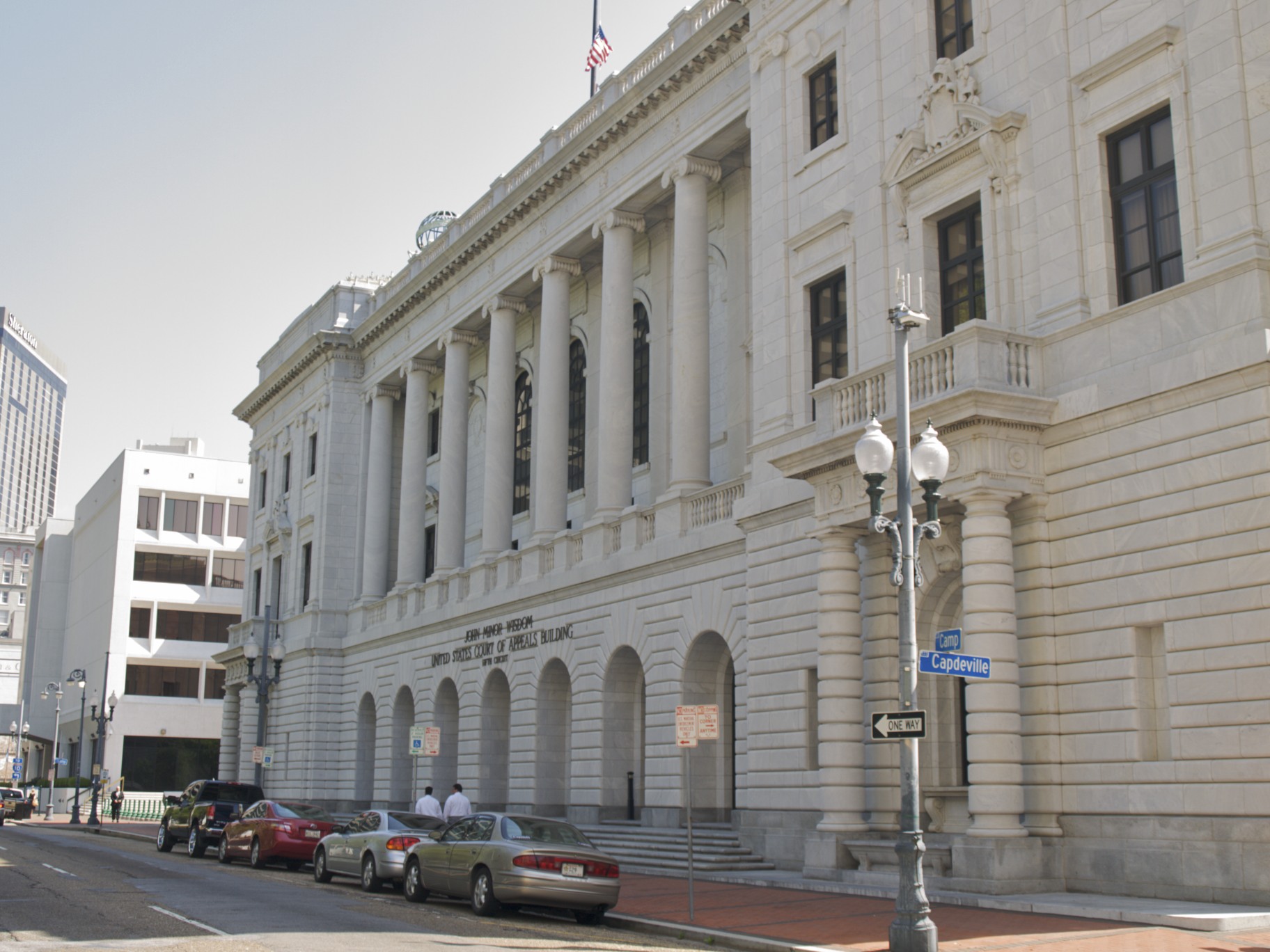
Law360 reports on the likely practical consequences of the Fifth Circuit’s recent SpaceX decision, which Anjali and Henry covered last week. The main immediate consequence is that “unfair labor practice charges in the Fifth Circuit are blocked.” But that could affect far more workers than just those in Texas, Louisiana, and Mississippi. All an employer needs to take advantage of the ULP block is “plausible ties” to the Fifth Circuit, and “[e]very big employer can go to the Fifth Circuit, every single one, because they have a nationwide presence.” The NLRB may now have to “race” to file in other appeals courts to enforce its orders in ULP cases. Faced with a weakened Board, unions may be advised to forget about filing for elections and instead “organiz[e] to the point that the employer would be confronting a recognitional strike.”
Meanwhile, Bloomberg reports that plaintiffs’ lawyers see an FLSA opportunity in the increased use of AI among white-collar workers. The FLSA mandates overtime pay for workers but grants employers exemptions for certain types of workers. Among those exemptions are white-collar workers whose duties require the exercise of discretion and independent judgment, such as executive, administrative, and professional workers. But “AI’s rapid adoption to automate routine job tasks” in white-collar jobs “is quietly replacing the judgment that once justified exempt status.” Such workers might sue for overtime on the theory that they no longer fit into the traditional FLSA exemptions.
Finally, the Sixth Circuit announced earlier this month that it would break from its sister circuits and long-standing EEOC policy in demanding a heightened standard for client harassment. In Bivens v. Zep, Inc., a unanimous panel addressed an employer’s liability when its employee is harassed by a customer or client. Until now, the standard has been negligence (“knew or should have known”). Now, the Sixth Circuit stands alone in demanding intent—i.e. the company must have “desired to cause [the] harassment or [have been] substantially certain it would result from its actions.” The panel said it would not “lose any sleep” over being the lone circuit to hold this view. In departing from the EEOC’s regulations, the court cited Loper Bright Enterprises v. Raimondo, under which it owes no deference to agency interpretations. Critics argue that the court misapplied the agency law principles that it relied on in striking out on its own. Moreover, changing the standard (and creating a circuit split) may have been unnecessary in the first place, as the case likely would have come out the same way under the prior standard.




Daily News & Commentary
Start your day with our roundup of the latest labor developments. See all
October 25
Dallas Cowboys Cheerleaders unionize; Bureau of Prisons again pushes for union contract cancellation; CSU faculty votes on strike authorization.
October 23
Employers increasingly shift health care costs onto workers and NYC proposes placing restrictions on fully automated customer service.
October 22
SCOTUS declines Wilcox appeal; Penn State research assistants win bargaining rights; SEIU sued over military leave firing.
October 21
DOL withdraws tipped-worker rule; Instacart settles hiring-bias claims; Phillips 66 locks out New Jersey refinery workers.
October 20
Korean unions oppose labor exemption bill; Portland city workers prepare for strike; UPenn grad student union looks to dismiss university filing
October 19
FDA reverses course on policy prohibiting off-duty union activity; FAA and NATCA reach deal to secure pay increase for air traffic controllers.