

Anjali Katta is a student at Harvard Law School.
The U.S. Court of Appeals for the Fifth Circuit has ruled that removal protections for NLRB Administrative Law Judges (ALJs) and Board Members are unconstitutional. This ruling affirmed district court injunctions that halted unfair labor practice proceedings against three companies: SpaceX, Energy Transfer, and Findhelp. The Fifth Circuit held that being subject to an unconstitutional administrative proceeding was an irreparable harm that justified preliminary injunctions and halted the ULP cases from proceeding against the companies.
Currently, NLRB ALJs are protected by dual layers of ‘for-cause’ removal, and Board Members can only be removed for “neglect of duty or malfeasance.” The Fifth Circuit found these protections violate separation of powers by limiting presidential oversight, citing Free Enterprise Fund and Seila Law. The Court ruled that Humphrey’s Executor does not apply as ALJs are “inferior officers” and that the NLRB Board was distinct from the FTC as Board Members wield “substantial executive power”, are not subject to the same party balancing rules, and the NLRB’s structure and powers remove the Board from the narrow Humphrey’s Executor exception. The Court also rejected jurisdictional arguments that the Norris-LaGuardia Act prevented judicial interference into labor disputes as they found that constitutional challenges to agency structure do not meet the Act’s definition of a labor dispute.
The Fifth Circuit is the first federal court of appeals to rule the NLRA unconstitutional. However, despite the significance of this decision, little has changed for now. The ultimate answer will likely come from the Supreme Court, which is expected to weigh in—either through an appeal of this case or a related one, such as Wilcox v. Trump (as Ted and John have reported on).


Daily News & Commentary
Start your day with our roundup of the latest labor developments. See all
October 5
Delaware bans captive audience meetings; EEOC settles remote work national origin discrimination claim; First Circuit stays enforcement order in VA's dispute with AFGE.
October 4
Boston nurses announce open-ended strike; federal judge restores federal prison workers' union protections; St. Louis workers form the first movie theater union in Missouri.
October 2
Gov. Newsom signs bill regulating AI in workplace; federal judge blocks Trump's $100,000 H-1B visa fee.
October 1
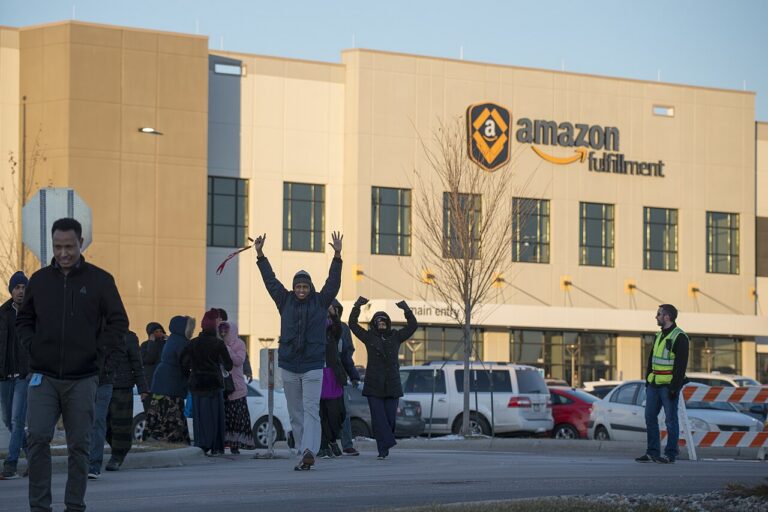
Senate confirms Keith Sonderling as Labor Secretary; Amazon warehouse workers launch an unfair labor practice strike.
September 30
Harvard grad union wins in First Circuit; AI data trainers initiate misclassification suits; Trader Joe’s found liable under ERISA.
September 29
Unions, AI companies, and private equity firms form a new coalition to shape data center policies; unions express support for the Paramount-Warner Bros. merger.