

Melissa Greenberg is a student at Harvard Law School.
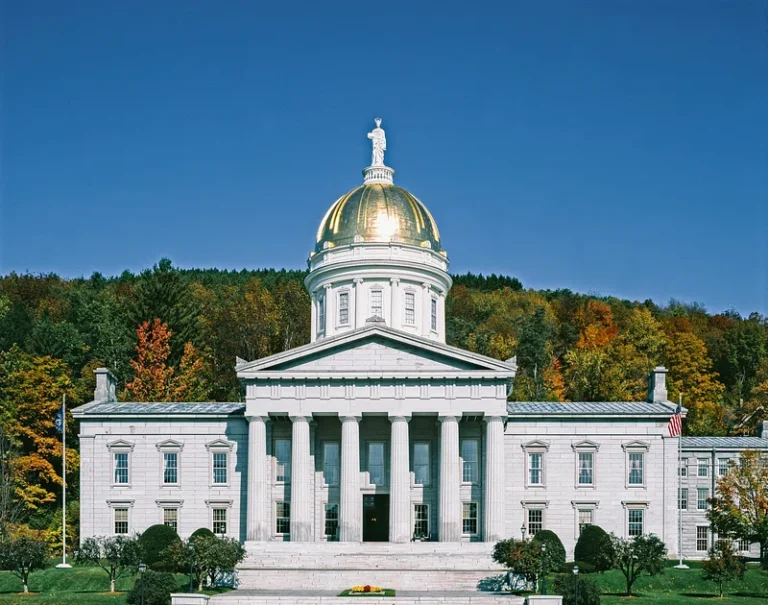
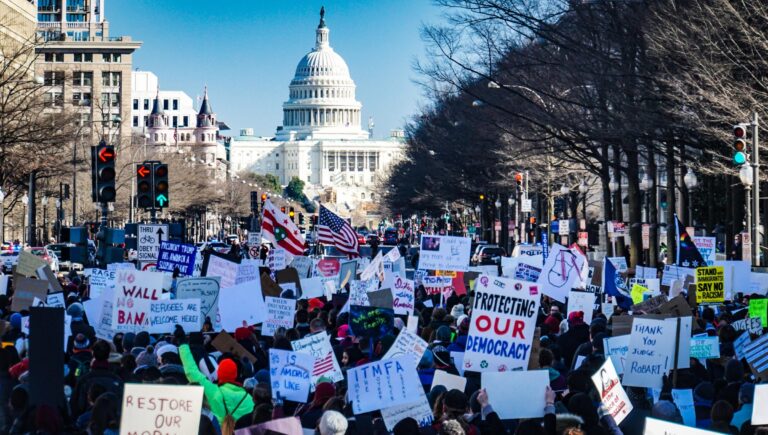
Beginning on Monday and continuing on Tuesday, teachers in Oklahoma and Kentucky protested at their state capitols. Inspired by the successful teacher walkout in West Virginia, teachers in these states are demanding action from their state’s legislatures. Although Oklahoma recently enacted a bill increasing teacher pay, teachers have demanded that the state raise their pay by $10,000, increase pay for support staff by $5,000, provide $200 million for schools over three years, and provide $500 million for other state public employees over three years. In Kentucky, teachers are responding to cuts in educational spending and a proposal to transform teachers’ pensions into a retirement plan similar to 401(k)’s in the private sector. Teachers in Arizona are also working toward a statewide action and are currently trying to build capacity across the state. Read more here.
The Sinclair Broadcasting group faced criticism after a video went viral showing local news anchors across the country reading a company statement expressing their “concern[] about the troubling trend of irresponsible, one-sided news stories plaguing our country.” After the news of these statements went public, the Los Angeles Times revealed the steep price that Sinclair’s anchors have to pay if they leave the station. Sinclair’s employment contracts include a fine, which can total up to 40% of an employee’s yearly pay, if the employee ceases working before the contract’s term expires. The contracts also include a forced arbitration clause and a non-compete clause. These provisions may make employees hesitant to leave their jobs by imposing too high a cost on exit. Kathleen Peratis, a partner at the employment law firm Outten & Golden, suggested that these contracts may not hold up in court.
The New York Times reports on the stringent rules that cheerleaders in the NFL have to abide by at work and when they are not on the clock. Last week, Bailey Davis, a cheerleader for the New Orleans Saints, filed a complaint with the Equal Employment Opportunity Commission alleging that the N.F.L’s disparate rules for cheerleaders and players results in gender discrimination and reflects antiquated attitudes toward women. Many teams with cheerleaders require their cheerleaders to follow strict rules regarding their personal appearance and behavior. These rules may range from governing cheerleaders’ social media presence to prohibiting interactions with players. One lawyer, Leslie Levy, who represented cheerleaders against the Jets and Oakland Raiders, described the situation as “an issue of power. You see a disparate treatment between the cheerleaders, and the mascots and anyone else who works for the team. I can’t think of another arena where employers exert this level of control, even when they are not at work.” Read more here.



Daily News & Commentary
Start your day with our roundup of the latest labor developments. See all
October 13
Chicago hotel workers remain on strike; a coalition of Democratic states sues the Labor Department over canceled unemployment insurance grants; the Federal Labor Relations Authority establishes a new mediation framework for federal worker disputes.
October 12
Workers at the Obama Foundation begin organizing; MLB submits its latest collective bargaining agreement proposal; Brigham & Women's nurses postpone strike.
October 11
UAW President Shawn Fain succeeds in his reelection bid, and Spanish unions call for a general strike.
October 9
DHS proposes a $100k fee for the foreign grad employment program; Trump suspends tech company access to green card program; and private equity perpetuates poor working conditions for home care workers.
October 8
NLRB judge finds UPS unlawfully restricted union insignia; Harvard graduate workers authorize second strike; OSHA orders Union Pacific to pay $300,000 in damages in whistleblower case.
October 7
DOL scraps plan to remove decades-old wage-and-hour guidance from federal regulations; New York enacts personnel records access law; Starbucks loses bid to dismiss Workers United trademark suit.