
Sophia is a student at Harvard Law School and a member of the Labor and Employment Lab.
In today’s news and commentary, California bans algorithmic price-fixing; New York City Council passes pay transparency bills; and FEMA questions staff who signed a whistleblowing letter.
This week Governor Gavin Newsom signed AB 325 (The Preventing Algorithmic Price Fixing Act) into law. Assemblymember Cecilia Aguiar-Curry authored the bill, which will update California’s cornerstone antitrust law—the Cartwright Act— to account for contemporary digital tools used for illegal price fixing. The law goes into effect on January 1, 2026 and will make it “unlawful for a person to use or distribute a common pricing algorithm if the person coerces another person to set or adopt a recommended price or commercial term… for the same or similar products or services.” Notably, AB 325 defines “price” not only as an “amount of money or thing of value… given in payment for any product or service,” but also as “compensation paid to an employee or independent contractor for services provided.” The legislation’s language could have implications for rideshare drivers in the state despite gig companies’ $200 million effort to pass Proposition 22 in order to classify drivers as independent contractors.
Yesterday, two bills aimed at tackling pay disparity in New York City passed with over 80 percent support from the city council. The bills would require employers with 200 or more employees to report pay data based on demographic categories, specifically race and gender. According to the U.S. Census Bureau, in 2024 the wage gap for women workers fell to an average of 81 cents for every dollar earned by men. Supporters of the bills hope that these pay transparency measures will encourage employers to address wage disparities in their own workplaces that most negatively affect women and workers of color.
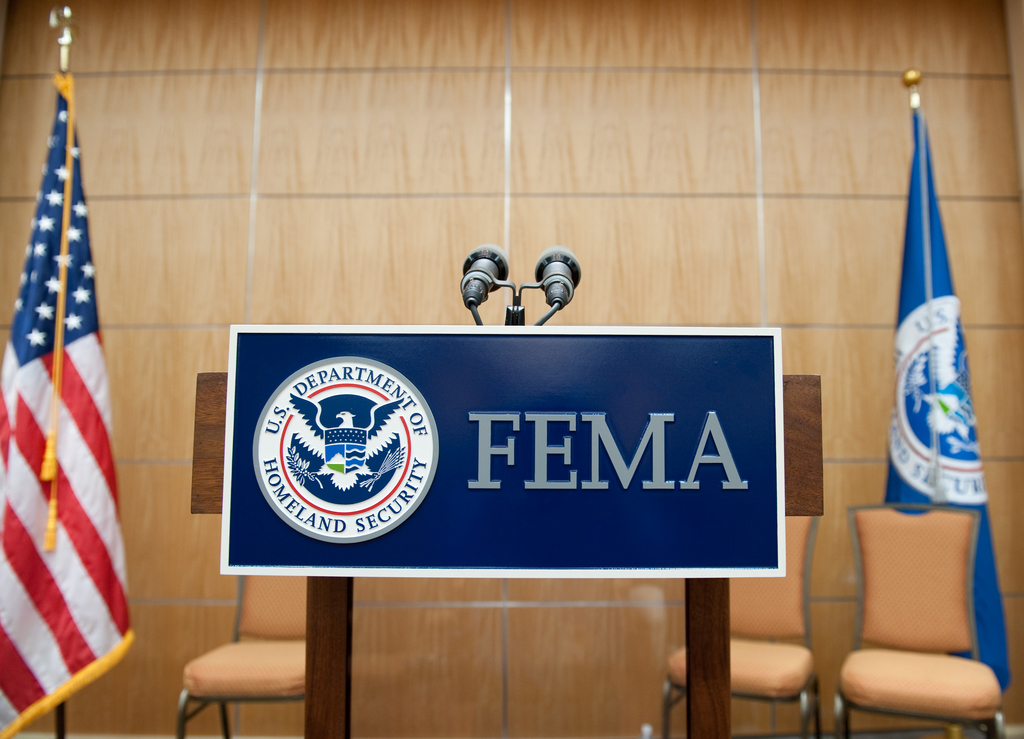
Two months ago nearly 200 current and former Federal Emergency Management Agency (FEMA) personnel, in addition to 154 anonymous employees, co-signed a whistleblower letter petitioning Congress to take action to protect the agency. The signatories of the letter urged Congress to meet four demands: 1) establish FEMA as an independent agency in the executive branch; 2) defend the agency from “illegal impoundments of appropriated funding” and from “interference from DHS;” 3) protect FEMA staff from “politically motivated firings;” and 4) “[d]emand transparency from OMB, DOGE, and FEMA regarding internal employment policies and future agency reductions.” After publishing the letter, the public signatories were placed on immediate leave. Weeks later, upon returning to work, these workers were ordered to sign non-disclosure agreements while officials from FEMA’s Office of Professional Responsibility began questioning them. Affected FEMA employees have filed complaints to the Office of Special Counsel alleging that they were retaliated against for speaking up on matters of public concern in violation of the Whistleblower Protection Act.



Daily News & Commentary
Start your day with our roundup of the latest labor developments. See all
October 9
DHS proposes a $100k fee for the foreign grad employment program; Trump suspends tech company access to green card program; and private equity perpetuates poor working conditions for home care workers.
October 8
NLRB judge finds UPS unlawfully restricted union insignia; Harvard graduate workers authorize second strike; OSHA orders Union Pacific to pay $300,000 in damages in whistleblower case.
October 7
DOL scraps plan to remove decades-old wage-and-hour guidance from federal regulations; New York enacts personnel records access law; Starbucks loses bid to dismiss Workers United trademark suit.
October 6
Protect College Sports Act dampens athlete unionization outlook; Stanford RA union decides to withdraw petition
October 5
Delaware bans captive audience meetings; EEOC settles remote work national origin discrimination claim; First Circuit stays enforcement order in VA's dispute with AFGE.
October 4
Boston nurses announce open-ended strike; federal judge restores federal prison workers' union protections; St. Louis workers form the first movie theater union in Missouri.